Phone:
+85295718875
Email:
support@just-wonders.com
Phone:
+85295718875
Email:
support@just-wonders.com
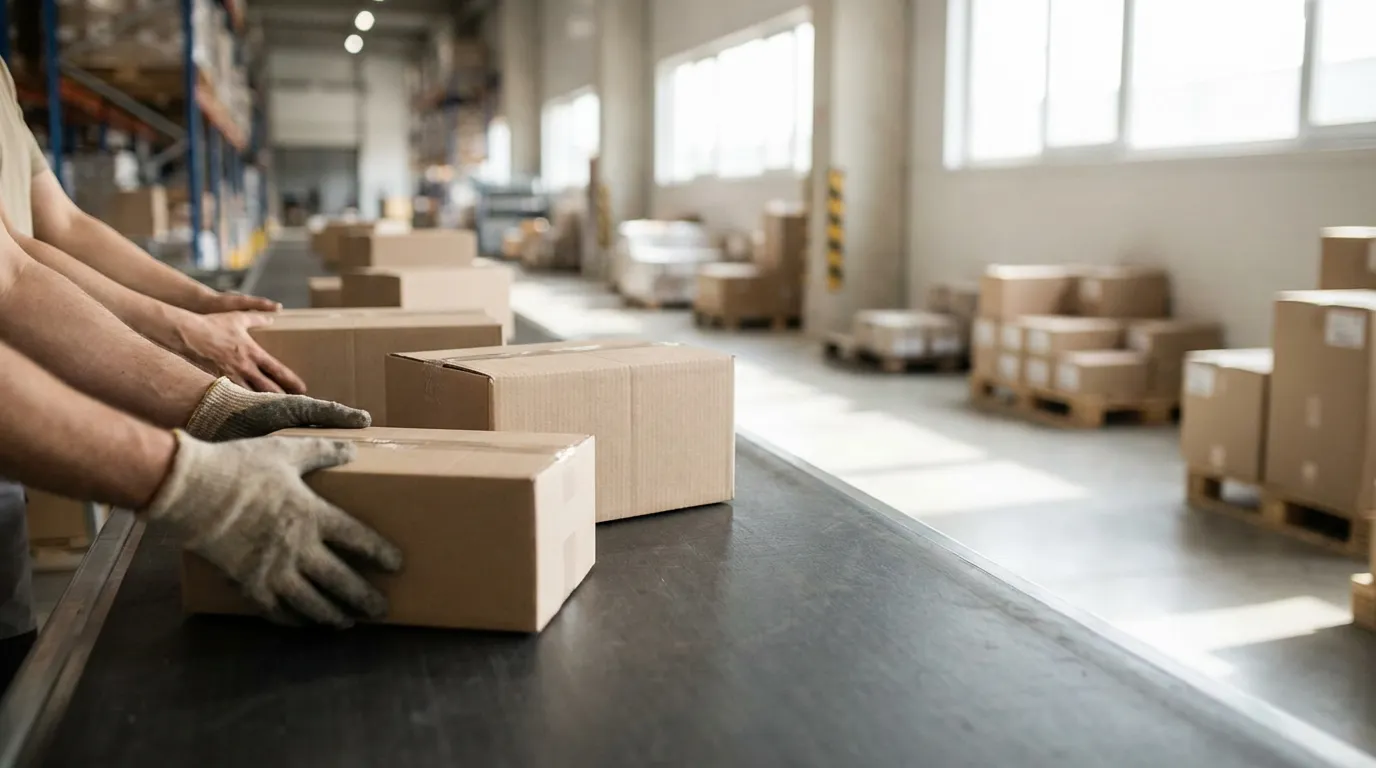
Running an online store doesn’t feel complicated at first. Orders come in, messages go out, and everything seems manageable.
Over time, however, the work starts to reveal something deeper. It is not about platforms or tools, but about control—what you can manage, what you cannot, and what you should not try to control in the first place.

Most store owners feel confident until orders increase.
That’s when gaps start to show. Delivery times vary. Updates fall behind. Small issues turn into customer concerns. What once felt like a simple process becomes a chain of dependencies.
This is often the first moment sellers realize that control doesn’t come from checking more often or working longer hours. It comes from having clear processes that don’t change under pressure.
Stores that stabilize at this stage usually do one thing differently: they stop treating fulfillment as an afterthought. Once shipping, order handling, and follow-up become predictable, the rest of the business feels noticeably lighter.

Before customers care about pricing or features, they react to how clearly a product is presented.
Confusing photos, vague descriptions, or mismatched expectations may not always lead to refunds, but they almost always create hesitation. And hesitation directly reduces conversion rates.
As stores mature, owners begin to see product presentation less as marketing and more as risk reduction.
Clear visuals, realistic representations, and consistent packaging help prevent misunderstandings before they happen.
At this stage, selling becomes smoother rather than louder. Fewer questions come in, fewer issues need explanation, and customers feel more confident making a purchase.
In ecommerce, trust is often built quietly through clarity, consistency, and accuracy.

Most people expect growth to come from big moments, such as a winning product, a strong campaign, or a breakthrough idea.
In practice, growth is usually shaped by daily operations—how quickly issues are resolved, whether systems respond consistently, and how much time is spent fixing avoidable problems.
Stores that grow steadily often feel uneventful. The work is repetitive and sometimes even boring, but that repetition creates reliability, and reliability compounds over time.
As operations become more stable, decision-making becomes easier and more effective—not because owners work harder, but because fewer things break.
Running an online store eventually stops being about ambition and starts being about structure.
When fulfillment is stable, presentation is clear, and operations are consistent, growth becomes more predictable and easier to manage.
In ecommerce, control is not about doing more. It is about building systems that reduce errors, improve consistency, and support long-term growth.
Want to build a more stable and scalable ecommerce business?
Use UploadToSell to create consistent product visuals, custom packaging, and reliable brand presentation that helps your store build trust and grow with confidence.
Why do ecommerce stores lose control as they grow?
As order volume increases, small operational gaps become more visible. Without clear processes, fulfillment, communication, and consistency start to break down.
What is the biggest challenge in scaling a dropshipping store?
The biggest challenge is maintaining consistent operations. Reliable fulfillment, clear processes, and predictable systems are essential for growth.
How does product presentation affect trust?
Clear and consistent product presentation helps customers understand what they are buying. This reduces hesitation and increases confidence in making a purchase.
Why is fulfillment important for ecommerce success?
Fulfillment directly affects customer experience. Delays, errors, or inconsistent handling can reduce trust and lead to negative feedback or lost customers.
What drives long-term growth in ecommerce?
Long-term growth comes from stable daily operations, consistent presentation, and reliable systems—not just one successful product or campaign.