Phone:
+85295718875
Email:
support@just-wonders.com

Phone:
+85295718875
Email:
support@just-wonders.com
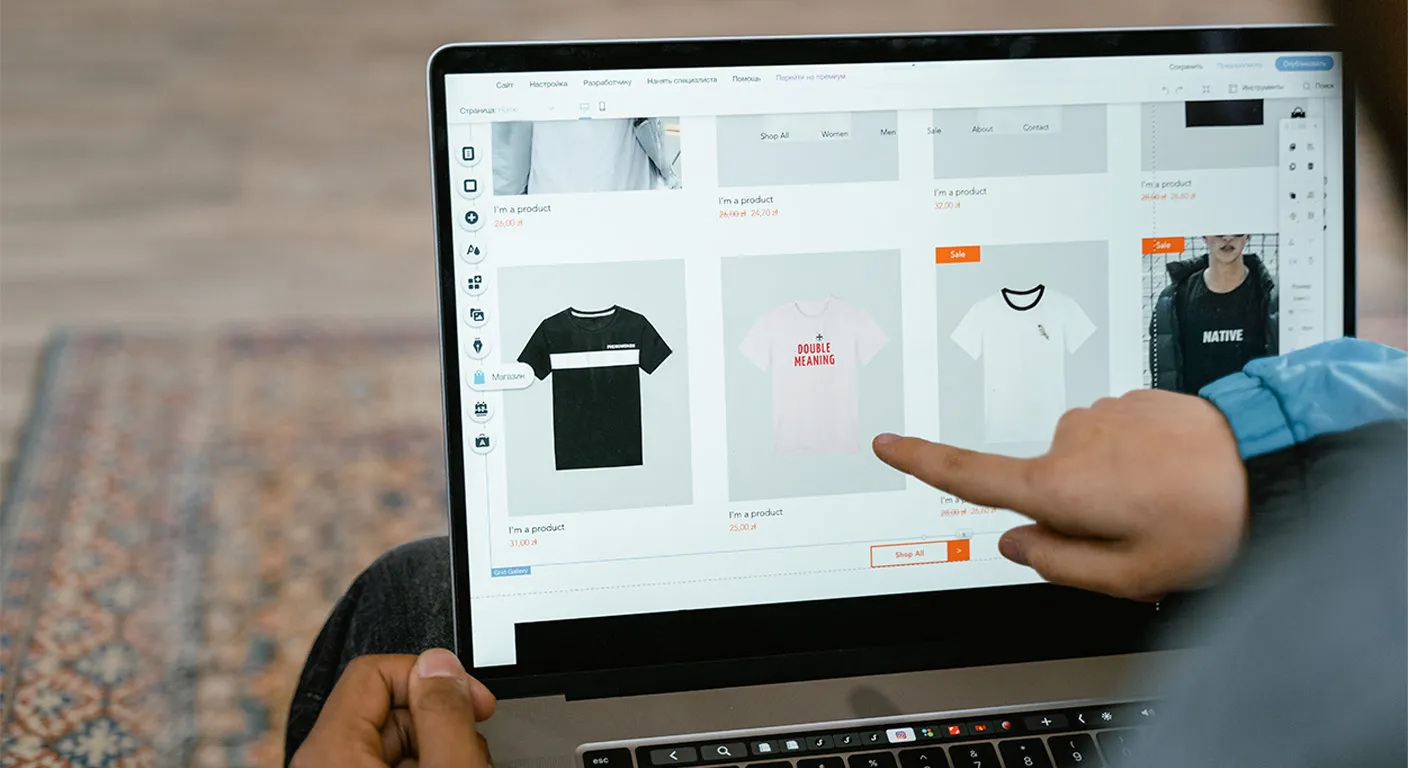
If you want to design and dropship clothing, you no longer need to build a traditional fashion business with large amounts of inventory. Modern ecommerce allows entrepreneurs to develop a unique clothing brand, work with professional suppliers, and let a fulfillment partner manage sourcing, customization, packaging, and shipping.
The key is to connect your product idea with a clear brand identity and a reliable fulfillment process. With UploadToSell, sellers can get support across product sourcing, design and customization, product photography, branding, and order fulfillment.
Starting a clothing business can feel complicated at first. You need to think about product ideas, fabrics, sizes, colors, designs, branding, photos, pricing, shipping, and customer experience.
The good news is that you do not have to manage every part by yourself.
A structured process can turn a simple clothing idea into a complete ecommerce brand. This guide explains how to design and dropship clothing step by step and how UploadToSell can support your business from the first idea to customer delivery.
To design and dropship clothing means you can create a product concept and sell it online without keeping large amounts of inventory yourself.
Instead of purchasing hundreds of pieces before knowing what customers want, you can build a product and fulfillment workflow around actual orders.
This gives new entrepreneurs more flexibility.
A typical clothing dropshipping process can include:
This model also allows you to focus more time on your clothing brand.
Your main responsibility becomes understanding your customers, creating a strong brand identity, developing useful products, and marketing your store.
Meanwhile, the operational side can be supported by a professional partner.
UploadToSell provides services covering product sourcing, design and customization, photography, branding, packaging, and fulfillment. This creates a more connected workflow for sellers who want to build a clothing business rather than simply list individual products.
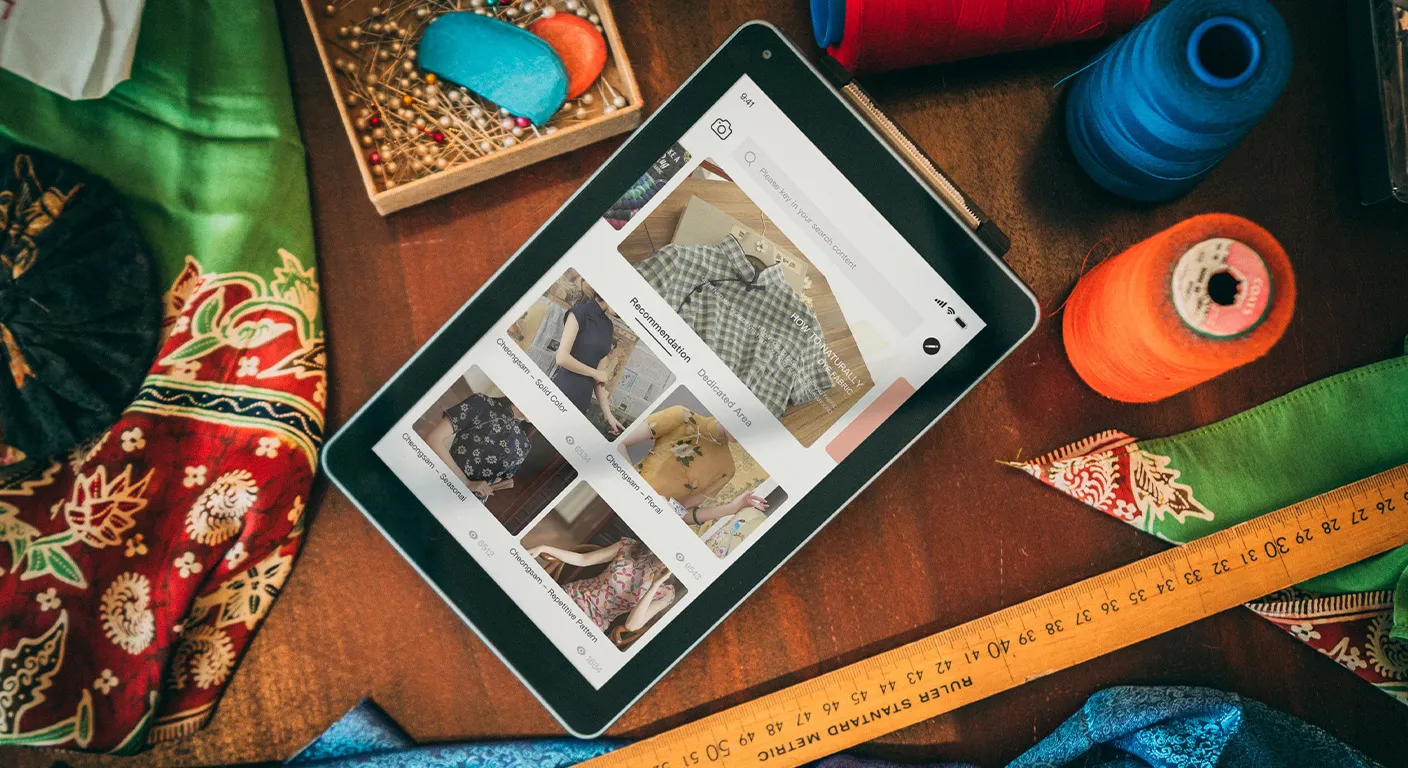
The first step is not creating a logo.
It is defining what you want your clothing business to offer.
A clear concept makes later decisions much easier.
Start by identifying the people you want to serve.
For example, your clothing brand could focus on:
You do not need to create a huge catalog at the beginning.
A focused product range can make your brand easier to understand.
Ask yourself:
These questions help you create a clear direction before you invest time in product development.
Once you understand your customer, develop the first product concept.
Your concept can include:
You can begin with a simple sketch, reference image, written description, or even an AI-generated concept.
The important thing is to communicate the idea clearly.
For example, instead of saying:
“I want a stylish hoodie.”
You can describe:
“I want an oversized neutral-colored hoodie with a small embroidered logo on the chest, a clean minimalist design, and soft fabric suitable for everyday wear.”
The second description gives a supplier or designer much more useful information.
You may have a strong idea without having professional design skills.
That is completely normal.
A design team can help transform your initial idea into a production-ready concept.
The process can include:
UploadToSell offers design and customization support as part of its ecommerce services. This can help sellers move from an initial concept toward a product that is ready for sourcing and production.
A product is only one part of a successful clothing brand.
Customers also experience your brand through your logo, website, product photography, packaging, product descriptions, and social media.
That is why branding should be considered during product development rather than added at the very end.
Start with a simple brand identity.
You may need:
Your visual identity should match your target customer.
A streetwear brand may use a different visual style from a minimalist clothing brand.
A fitness clothing brand may need a more energetic presentation.
Consistency is more important than complexity.
Your logo does not need to be complicated.
Your packaging does not need to be expensive.
Your website does not need dozens of visual effects.
The goal is to make every customer touchpoint feel like it belongs to the same clothing brand.
Once your identity is defined, apply it consistently.
For example, your logo can appear on:
This creates a stronger connection between your products and your business.
UploadToSell also provides branding and packaging support, helping ecommerce sellers create a more consistent customer experience. Its service structure includes branding, customized design, and green packaging options.
Not every clothing product needs to be launched at the same time.
A better approach is to create a small product collection that makes sense together.
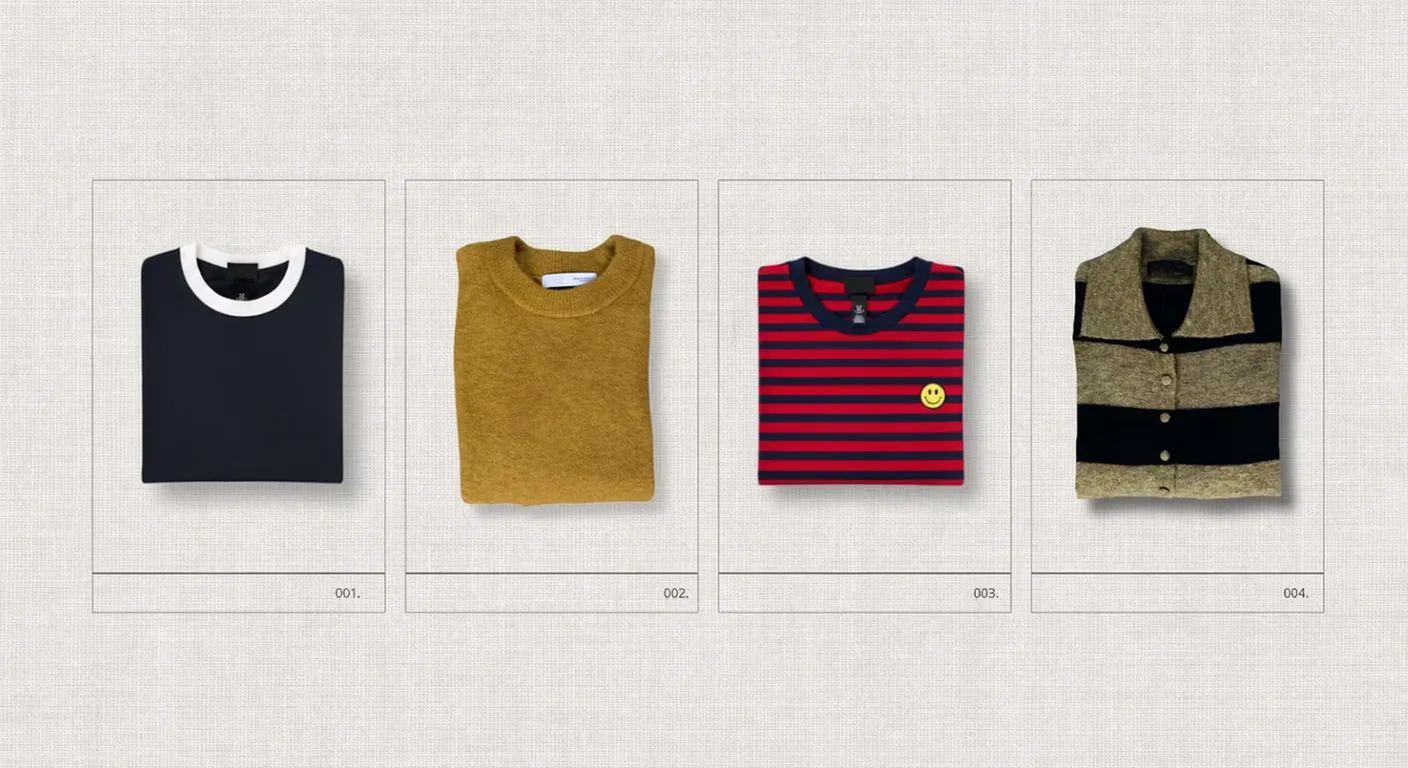
For example, a new clothing brand could begin with:
This creates a small but recognizable collection.
Product research can help you understand what customers are interested in.
Look at:
The purpose is not simply to copy existing products.
Instead, research helps you understand the market before you develop your own product direction.
UploadToSell provides product research and winner-product resources that sellers can use when evaluating product opportunities.
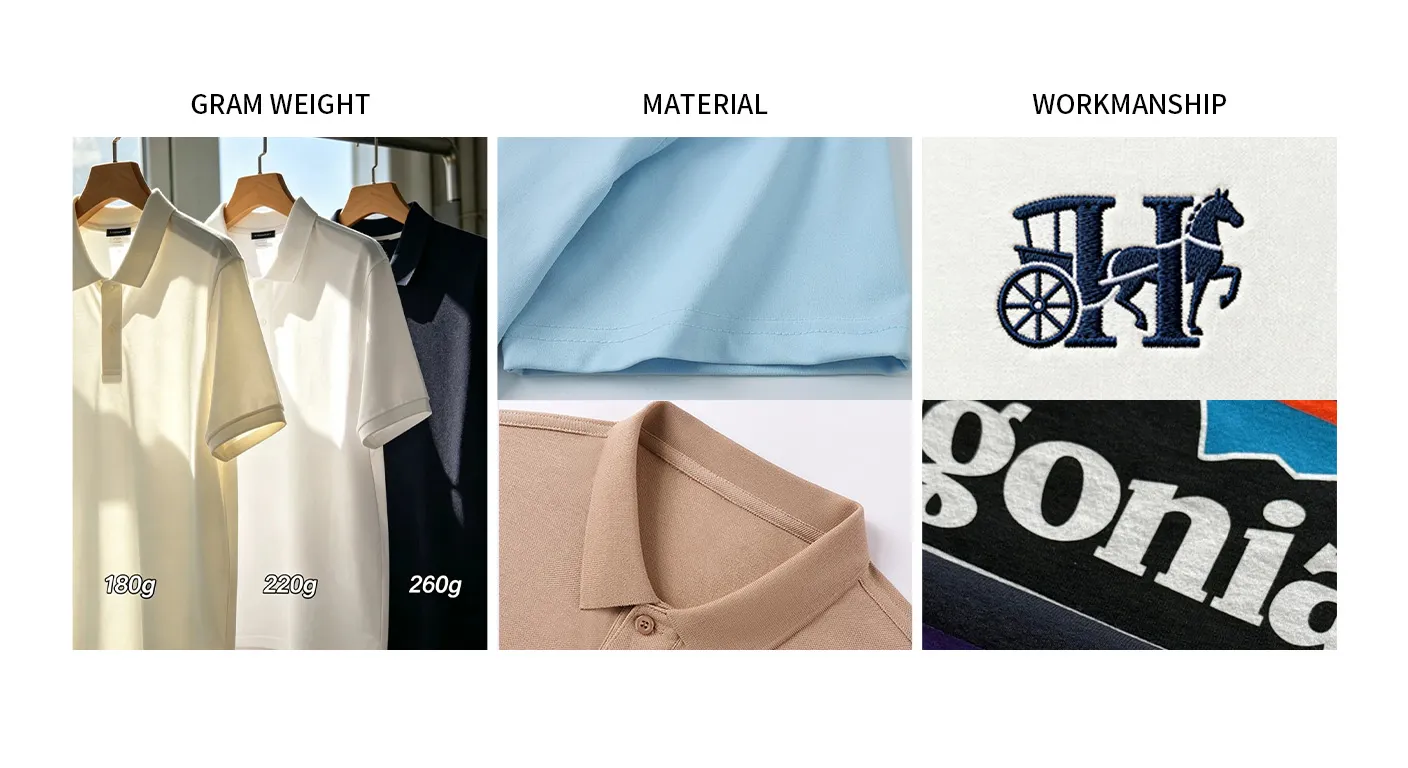
Clothing requires more attention to specifications than many other ecommerce products.
Check:
Create a clear specification sheet.
This helps reduce misunderstandings between you and your supplier.
It also makes it easier to maintain consistency when your order volume grows.
Good clothing products need good presentation.
Online customers cannot touch fabric or try on a product before buying.
Your images therefore need to communicate important information.
A strong clothing product photography set can include:

Professional photography can make your design and dropship clothing workflow much more effective.
Customers want to understand what they are buying.
Photos should show:
Avoid relying entirely on generic supplier images when you are trying to build a recognizable brand.
Your product presentation should reflect your own brand identity.
UploadToSell provides product photography services designed around ecommerce presentation, including sales-focused images and styles adapted to different brands and campaigns.
This means you can connect product development with visual content instead of treating photography as a separate task.
After your product is ready, you need an online store.
Shopify is one common option for ecommerce sellers because it can connect with dropshipping and fulfillment workflows.
Your store should include:
Your product pages deserve special attention.
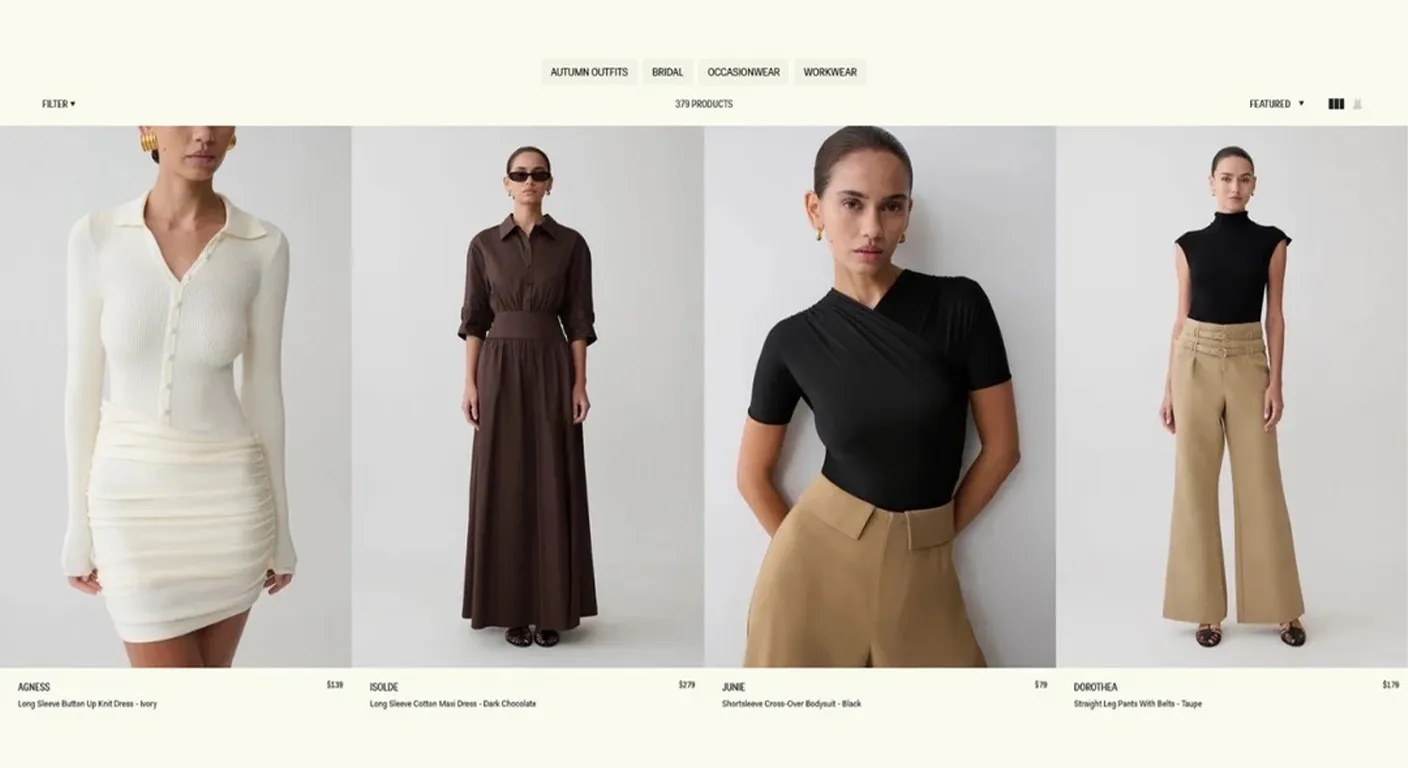
A clothing product page should answer the questions customers are likely to have.
Include:
Keep the language simple.
Do not overload customers with long paragraphs.
Use short sections and clear bullet points.
Your store should visually match your products.
Use the same:
A consistent store helps customers recognize your clothing brand.
It also makes your business look more organized and professional.
UploadToSell supports Shopify dropshipping workflows, including product importing, inventory synchronization, and automated order fulfillment.
The next step is connecting your store with your fulfillment partner.
This is where dropshipping becomes operational.
When a customer places an order, the process can work like this:
Automation can reduce manual work.
UploadToSell describes its fulfillment workflow as covering product sourcing, order fulfillment, inventory synchronization, and shipping support.
Packaging is especially important for a clothing brand.
When customers receive a package, they should immediately understand who it is from.
Depending on your business model, you can consider:
Packaging should match your brand identity.
For example, a minimalist brand may use clean packaging with limited graphics.
A colorful lifestyle brand may choose more expressive packaging.
The goal is to make the package feel like part of the product experience.
One of the biggest advantages of dropshipping is that you do not need to store every product yourself.
This allows you to focus on sales and brand development.
Instead of spending your time:
You can let your fulfillment partner handle these operational tasks.
UploadToSell positions its service as a complete ecommerce solution that connects product sourcing, fulfillment, branding, photography, and other seller services.
Although you may not physically hold inventory, you still need to understand stock availability.
Pay attention to:
If a product becomes popular, your fulfillment partner should be able to help you understand whether inventory can support additional orders.
This becomes increasingly important as your clothing brand grows.
Dropshipping is not only about moving products from suppliers to customers.
The customer experience matters from the first website visit to the moment the package arrives.
A complete customer journey includes:
Discovery → Product page → Checkout → Order confirmation → Shipping → Delivery → Post-purchase experience
Every stage creates an impression of your clothing brand.

Make your store easy to use.
Customers should quickly find:
For clothing stores, size information is particularly important.
Provide a clear size chart.
Use consistent measurements.
If possible, show how the product fits on a model.
This helps customers make more informed decisions.
The customer experience continues after checkout.
When your package arrives, branded packaging can reinforce the identity customers saw on your website.
A thank-you card can also encourage customers to:
These small details can help turn a single purchase into a longer customer relationship.
Once your store is live, you need content that introduces your products.
Clothing is naturally visual.
This creates many opportunities for content marketing.
You can create:
Your product development story can become part of your marketing.
For example, you can show:
This type of content helps customers understand that your products are part of a real clothing brand.
It also gives your business a story beyond simply selling clothes.
You do not need to launch dozens of products immediately.
A gradual approach is easier to manage.
Start with a small collection.
Then monitor:
Use this information to decide what to develop next.
As your business grows, your workflow should become more organized.
You may gradually add:
The goal is to build a repeatable system.
Your design and dropship clothing process should eventually become a cycle:
Research → Design → Source → Brand → Photograph → List → Sell → Fulfill → Collect Feedback → Improve
This creates a foundation for sustainable growth.
Building a clothing business can involve many separate tasks.
You may need product researchers, suppliers, designers, photographers, packaging providers, and fulfillment services.
Managing every supplier independently can take a lot of time.
UploadToSell is designed to bring multiple ecommerce services into one workflow.
Its listed services include:
This can be especially useful when you want to design and dropship clothing while keeping your main focus on brand development and marketing.
The first stage is finding products and suppliers that match your concept.
UploadToSell can support product sourcing and purchasing.
You can communicate your requirements and work toward a product specification that fits your brand.
This can include product details, customization requirements, packaging, and other sourcing considerations.
If you already have a concept, you can provide it to the team.
Your idea can then be refined into a more complete product concept.
This is useful when you understand your customers but do not have an internal product design team.
The goal is to turn an idea into something that can be sourced, customized, photographed, marketed, and fulfilled.
Once your product is ready, professional photography can help you present it more effectively.
You can create product images that match your brand style.
You can also develop visual content for different marketing channels.
This gives your store a more consistent appearance.
Packaging can be customized to support your identity.
Your brand can be reflected through packaging materials, printed elements, inserts, and other details.
This helps connect the online shopping experience with the physical product experience.
After customers place orders, fulfillment becomes the next priority.
UploadToSell provides ecommerce fulfillment support designed to connect orders with sourcing, packing, and shipping processes. Its fulfillment content also describes inventory synchronization and automated order processing for ecommerce stores.
This allows you to spend more time working on:
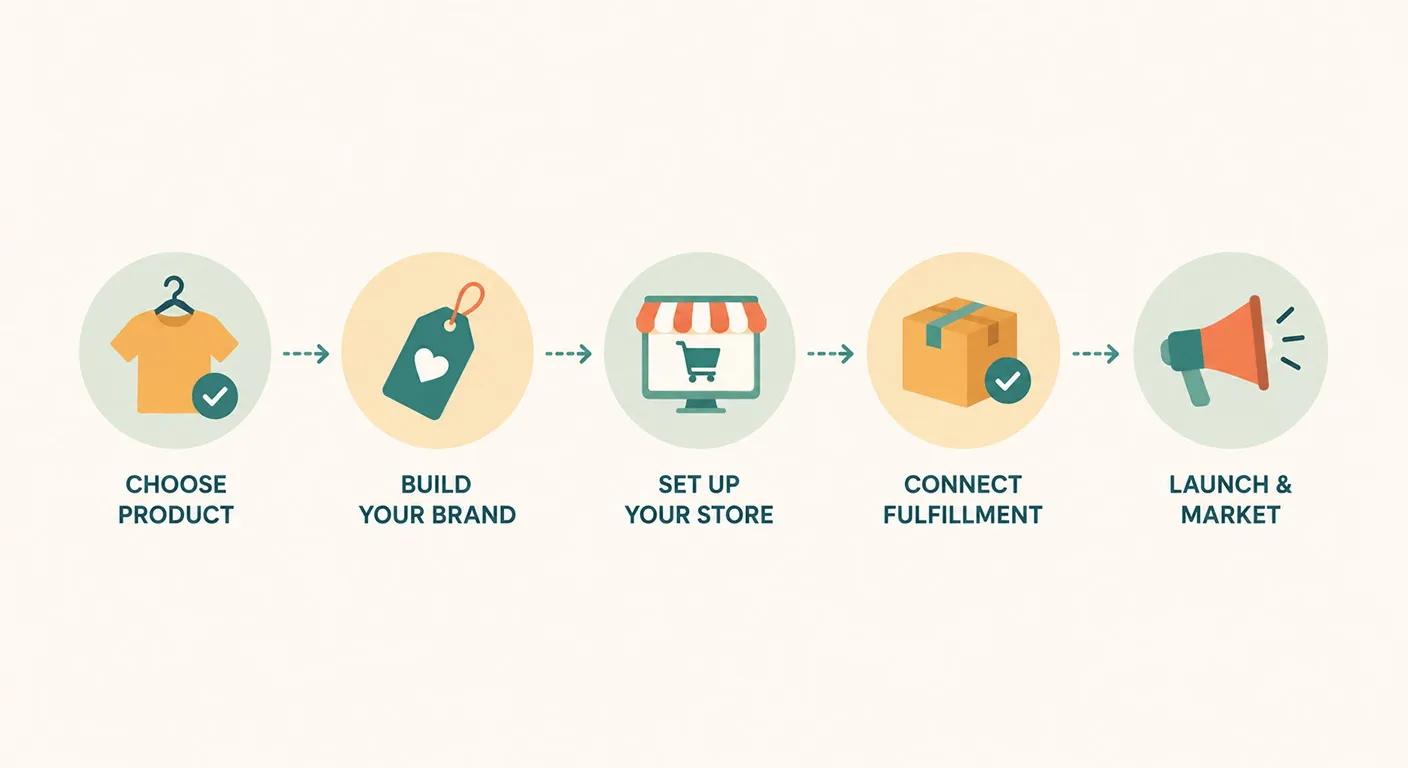
Before launching your clothing brand, review the following steps.
Yes. A dropshipping model allows you to sell products without maintaining your own warehouse inventory. Your fulfillment partner can handle sourcing, packing, and shipping after an order is placed.
The exact workflow depends on the products and supplier arrangement.
Customization can include logos, labels, colors, patterns, embroidery, printing, packaging, and other product details.
The available options depend on the product and manufacturing requirements.
It is best to confirm customization requirements before production.
Yes.
A single signature product can be enough to establish the initial identity of a clothing brand.
You can begin with one strong product and gradually add complementary products based on customer feedback.
Yes.
You can provide your own sketches, artwork, references, or product concepts.
A professional design and sourcing team can help refine the idea and determine how it can be produced.