Phone:
+85295718875
Email:
support@just-wonders.com
Phone:
+85295718875
Email:
support@just-wonders.com

In the dropshipping world, customer loyalty often feels like an impossible goal. You don’t manufacture products, you don’t handle inventory, and you don’t control shipping times. Many store owners assume that loyalty is reserved for brands with their own warehouses and fulfillment centers.
That assumption is wrong.
Ecommerce branding is the bridge between a generic dropshipping store and a business that customers actually remember. When done right, branding transforms a one-time transaction into a lasting relationship. This article explores practical strategies to build loyalty through branding, with a special focus on custom packaging and the post-purchase experience.
Ecommerce branding is the set of signals and experiences that tell a customer who you are, what you stand for, and why they should trust you. It includes your logo, your website design, your tone of voice, your shipping policies, and even how you handle problems.
In dropshipping, branding is not optional—it is essential. You compete with thousands of stores selling similar products. Without a strong brand, you are just another seller. Customers have no reason to come back.
Branding makes marketing more efficient and retention easier. When your store feels trustworthy and consistent, customers are less anxious about ordering. They are less likely to complain and more likely to buy again.
Let us be honest. Dropshipping is not the easiest model for building loyalty. You do not manage inventory, you do not handle packaging, and you do not control delivery times. When a supplier makes a mistake, the customer does not blame them—they blame you.
That challenge is also your opportunity. Most dropshippers stay silent when problems arise. If you can communicate clearly, set realistic expectations, and take responsibility, customers will notice. Transparency and reliability turn disappointment into trust. And trust is the foundation of every loyal relationship.
Ecommerce branding helps you communicate that reliability before a customer even makes a purchase.
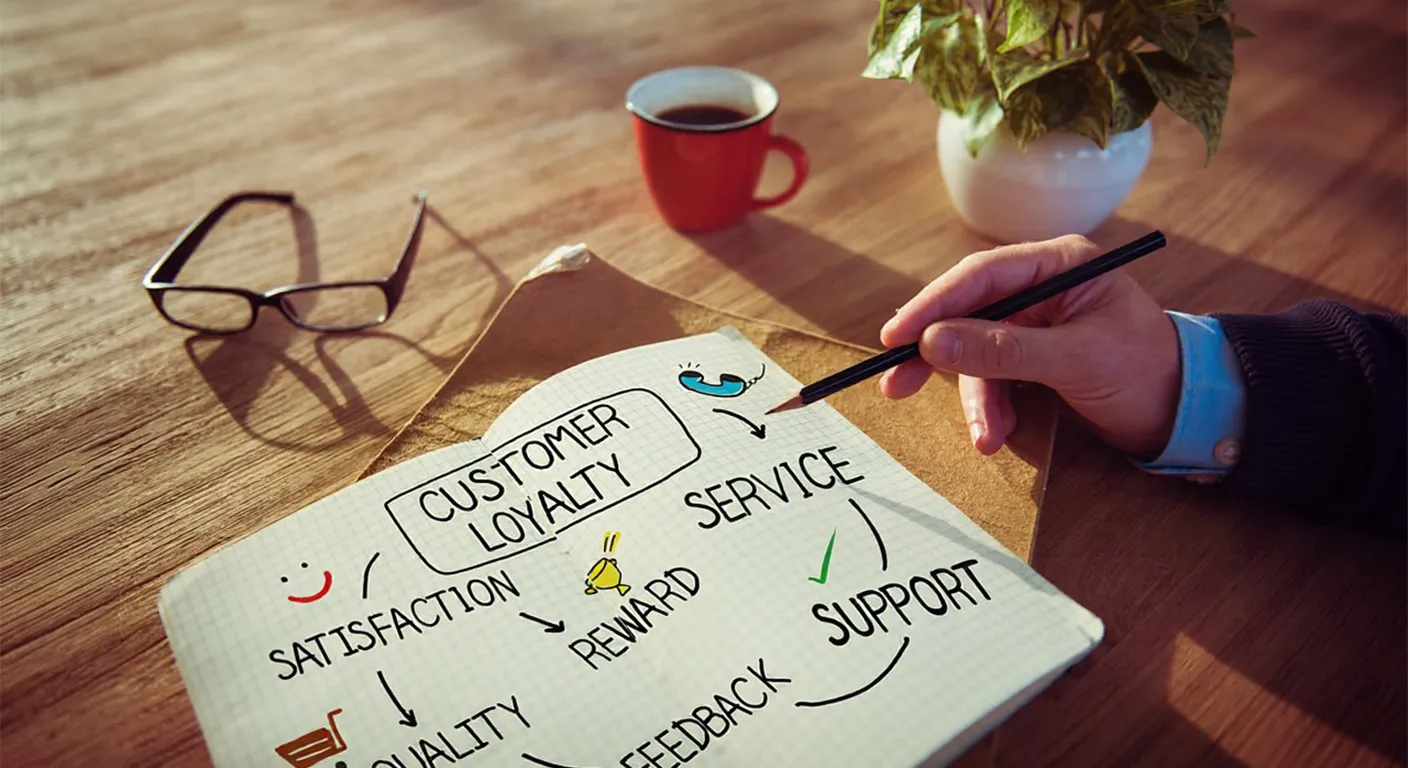
Before a customer clicks “buy,” they are silently judging your credibility. Honest product descriptions, authentic photos, and clear shipping timelines speak louder than any ad.
Here is a practical tip: promise delivery in 8–10 days and deliver early, rather than claiming 5 days and arriving late. Setting honest expectations builds confidence. And confidence drives conversion.
Your website design is a branding asset that reduces doubt. Clean navigation, consistent spacing, clear fonts, and high-quality product images all signal professionalism.
This is where real loyalty begins. Once an order is placed, your communication and care define the experience. Send a warm confirmation email. Keep customers updated on their order status. Show appreciation with small gestures like thank-you notes or digital discount cards.
Even though you do not pack the box yourself, you can still make it feel personal. This is where custom packaging becomes a powerful tool for retention.
In physical retail, a customer walks into your store and the environment sells before they touch a single product. In ecommerce, the closest thing you have is your packaging.
When someone receives your order, that box is the first time your brand exists in their physical world. Before that, everything was pixels on a screen. Now it is real.
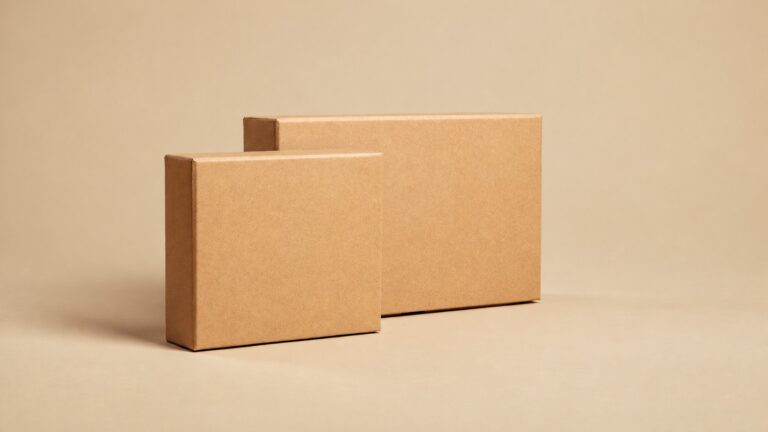
A plain brown box says nothing. But a custom packaging box that reflects your brand—your logo, your colors, your personality—says everything. It tells the customer that you take your business seriously. That you thought about them beyond just the transaction.
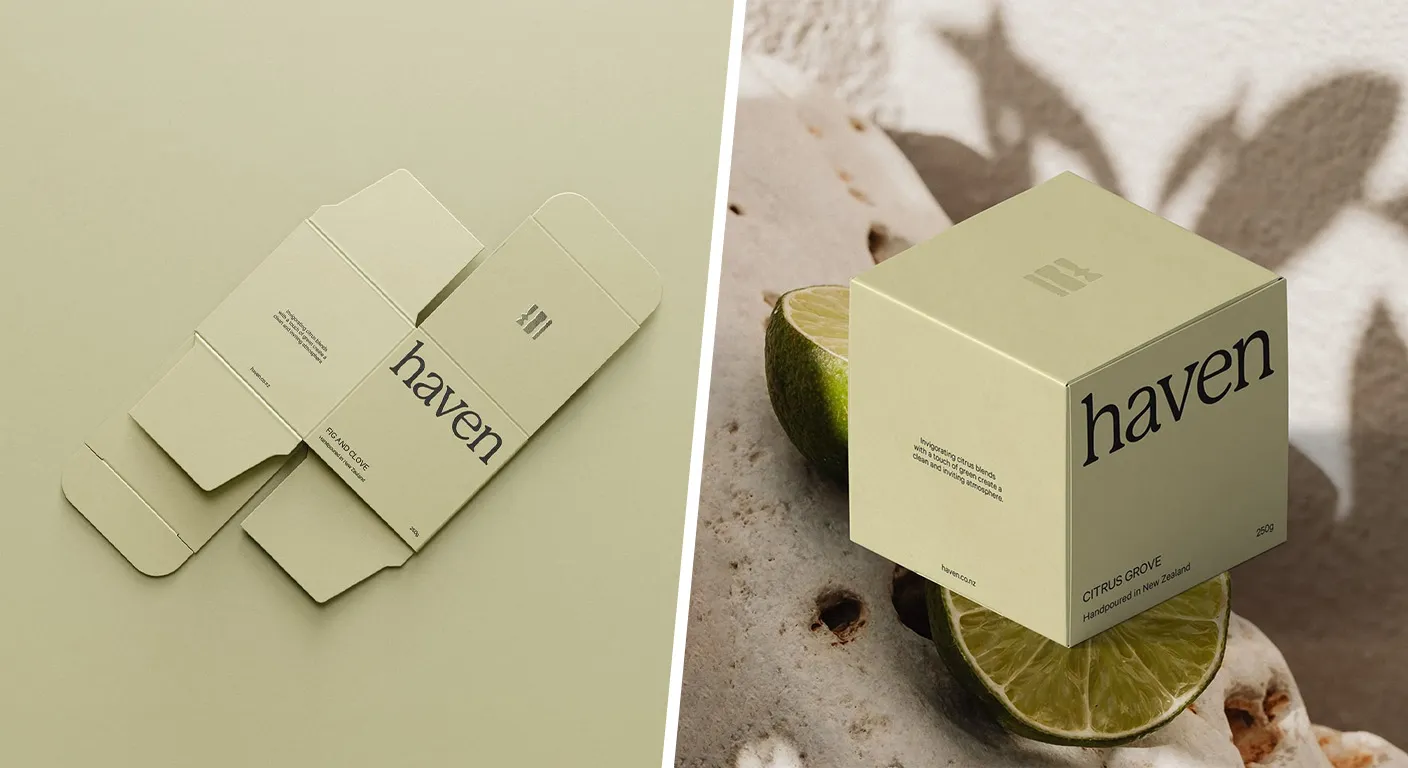
Repeat purchases do not happen because someone remembered your store URL. They happen because something in the experience stuck with them. The unboxing experience can be that something.
There is real psychology behind this. Opening a package activates the same anticipation-reward cycle as unwrapping a gift. When your packaging amplifies that feeling—through clean design, a structured interior, or a personal thank-you card—it creates a positive emotional association with your brand.
That association matters. The next time that customer needs something you sell, they are not searching cold. They are thinking of you specifically. They already know how the experience feels. And they want to feel it again.
There is a difference between packaging that looks nice and packaging that works. Here is what matters:
Material that fits your product. A rigid box works for high-end cosmetics. Kraft suits sustainability-focused brands. Corrugated is right for heavier items.
Print quality that matches your brand standards. If your website looks premium but your box looks cheap, there is a disconnect. Customers feel it even when they cannot articulate it.
Sizing that actually fits. An oversized box filled with excess filler looks careless. A box that fits correctly communicates precision.
Something personal inside. A small card with a discount code or a thank-you message goes a long way. It is the difference between a transaction and a relationship.
Eco-conscious options where possible. A growing number of buyers pay attention to sustainability. Recycled cardboard or paper-based fillers build trust and signal quality.
This is something many brands overlook. The inside of the box is the highest-attention real estate you have. The customer is already engaged, already holding your product.
A small printed card with a “welcome back” discount code or a product recommendation gets read. Compare that to an email with a 2% open rate. Brands that add a simple next-purchase incentive inside their packaging consistently see higher repeat order rates within the first 60 to 90 days.
If customers cannot tell why you exist, they will not remember you. Positioning is the foundation of ecommerce branding because it defines what you “own” in the customer’s mind.
Use this formula: “We help [specific audience] achieve [specific outcome] with [product category] that [unique advantage].”
Examples:
Your brand becomes memorable when you repeat one strong idea consistently across your store, emails, and support.
If your website and packaging are the “foundation” of your brand, then social media is its “voice and face.” For a dropshipping model without a physical store, social media is the most effective channel to shape your brand’s personality and build an emotional connection with customers.
Ecommerce branding is what customers see and feel quickly. Your goal is not to look “fancy.” Your goal is to look reliable and intentional.
Visual cues that build trust:
Avoid common trust killers:
Product page branding elements that reduce doubt:
Consistency matters more than poetic writing. Set simple rules:
Support messages should match the brand voice too. A calm, solution-first tone protects trust when something goes wrong.
In dropshipping, shipping delays are inevitable. How you handle them determines whether a customer comes back or never buys from you again.
The proactive approach: Set up automated tracking updates so customers always know where their package is. Silence breeds suspicion. When a customer pays you and waits 15 days with zero updates, they get scared they have been scammed.
The “under-promise, over-deliver” strategy: Add a safety buffer to your shipping policy. If a product usually takes 12 days, state “15-20 days” on your store. Arriving on day 12 when promised day 20 = delight.
Turn glitches into opportunities: If you notice a delay, send this email immediately:
This turns a logistics failure into a demonstration of great customer service.
You cannot improve what you do not measure. Track these core metrics to understand customer loyalty:
Repeat Purchase Rate (RPR): The percentage of customers who come back for another order. A good RPR for dropshipping brands often falls between 20–30%.
Customer Lifetime Value (LTV) vs. Customer Acquisition Cost (CAC): Ideally, LTV should be at least three times higher than CAC.
Net Promoter Score (NPS): How likely are your customers to recommend your store to others?
By checking these metrics regularly, you will spot patterns—which products bring repeat buyers, which marketing channels bring loyal ones, and which parts of the journey cause drop-offs.
Many dropshippers never think about retention. The expectation is that customers will not come back because the product quality is average and the experience is forgettable.
That strategy is dying. The cost of acquiring customers on platforms like Facebook keeps rising. Without retention, your business will not survive.
The truth is simple: the ad hooks someone and gets them on board. But your product and your brand experience are what drive them to buy again and again.
Building a memorable brand in dropshipping requires more than a logo and a website. It requires a complete brand ecosystem—from how your products look to how they arrive at your customer’s door. That is where UploadToSell comes in.
We do not just simplify product sourcing and fulfillment. We help you build a brand that customers actually remember. Here is how:
Logo Design That Fits Your Market. We create clean, market-ready logos designed specifically for e-commerce use. They are easy to recognize, easy to scale, and fully aligned with your target customers.
Products Branded from the Start. Your logo is applied directly to the product itself, not added as an afterthought. This helps your items look more professional and increases perceived value before the customer even opens the box.
Custom Packaging & Thank You Cards. From branded packaging to personalized thank-you cards, we help you deliver a complete unboxing experience. This encourages repeat purchases and builds stronger customer loyalty with every order.
Product Copy & Brand Storytelling. We provide clear product copy and brand stories that explain why your product matters. Good storytelling helps customers connect emotionally and convert faster.
Social Media & Ad Creatives Ready to Use. We prepare branded social media content and ad materials you can launch immediately. You can promote and scale without starting from zero.
Sustainability That Builds Trust. We are committed to responsible sourcing, transparent eco-labelling, and carbon footprint tracking. Plus, we have replanted over 35,000 trees through our partnership with One Tree Planted. When you choose UploadToSell, you are not just building a brand—you are contributing to a better planet.
You can still do a lot. Focus on the inside of the package. You can order custom-branded stickers, thank-you cards, or packing slips with your logo. Use these items to decorate and seal the product. A simple logo sticker on a standard poly mailer or box can transform it into a branded package.
Don’t only focus on price. When contacting suppliers, treat them as business partners. Clearly communicate your requirements for product quality, packaging (even if it’s neutral), and shipping times. Place small test orders to evaluate their service, product quality, and logistics speed. A supplier who communicates well and is willing to accommodate your brand needs is far more valuable than the cheapest, but uncommunicative, option.
I feel my product is too ordinary.A good brand story doesn’t have to be epic. It revolves around your target customer and their pain points and aspirations. Try to answer: What specific problem does your product solve? How do you want the customer to feel when using it? What does your brand believe in? For example, for a standard thermos, the story could be, “We help busy office workers find a moment of peace by ensuring they can always enjoy a sip of perfectly warm water, no matter how hectic their day gets.”