Phone:
+85295718875
Email:
support@just-wonders.com

Phone:
+85295718875
Email:
support@just-wonders.com
Review iPhone Duo accessory opportunities and the compatibility checks dropshipping sellers should complete before listing.
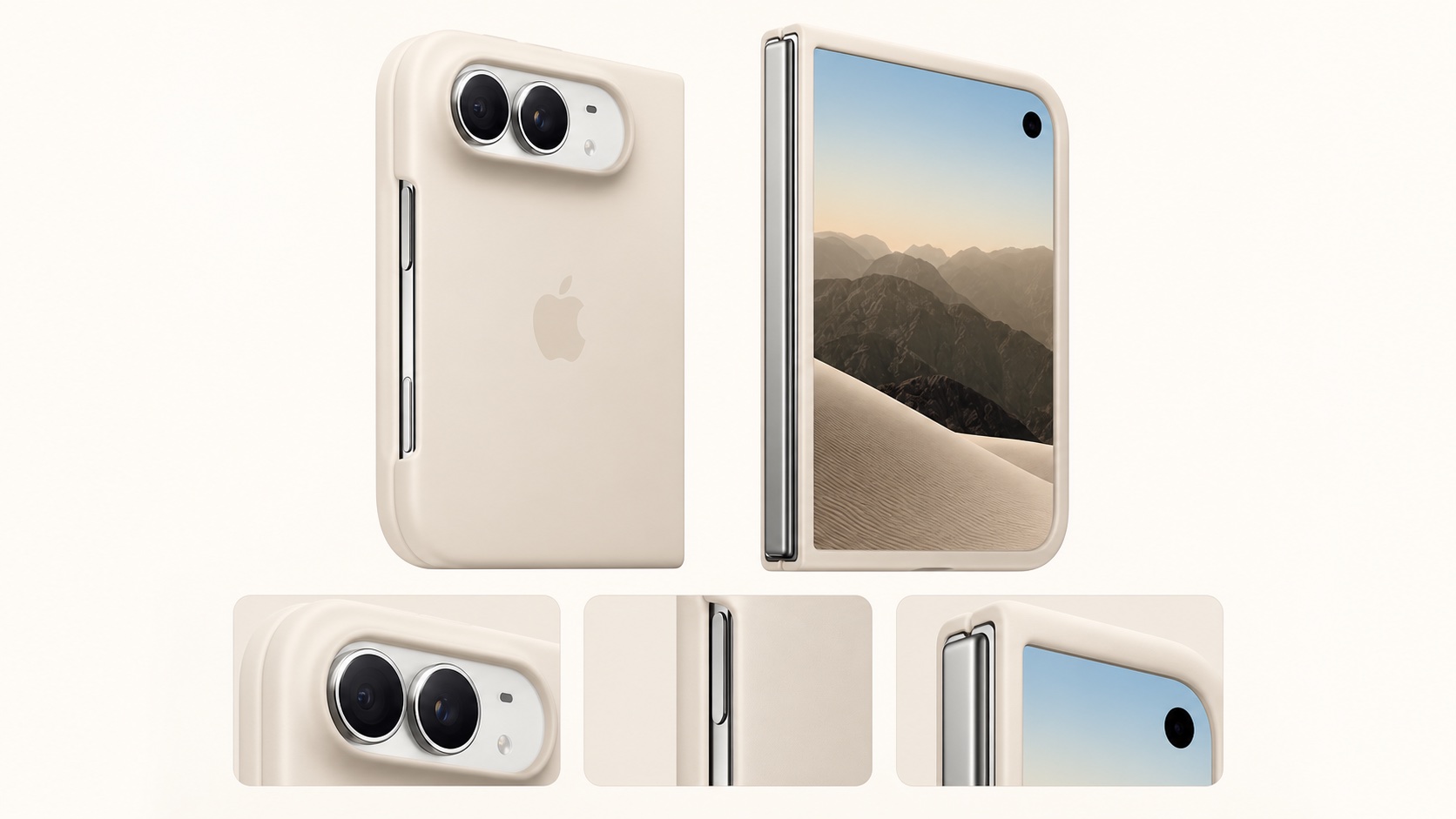
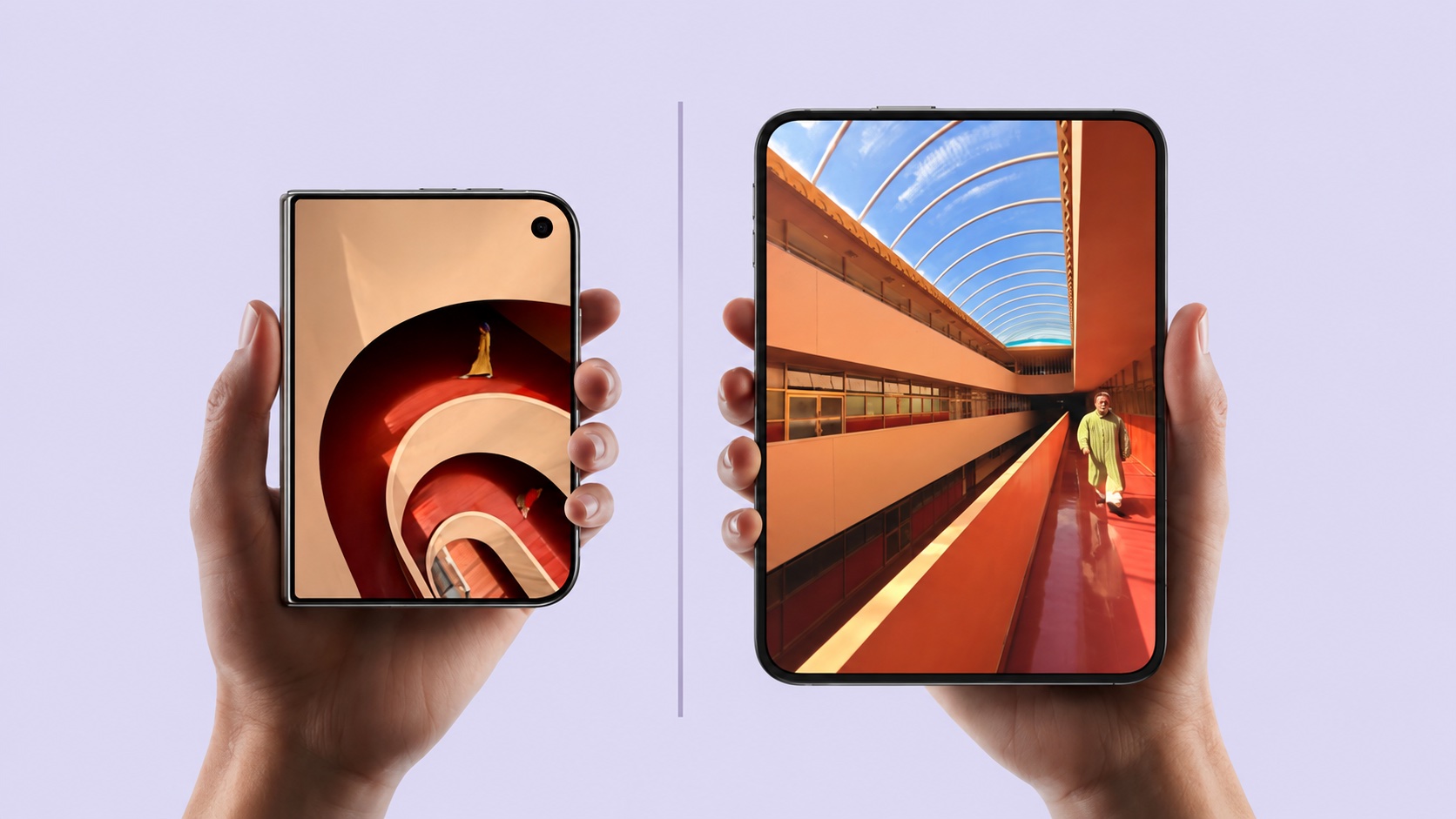
iPhone Duo accessories require a different sourcing checklist from accessories made for a conventional slab-style phone. Apple officially introduced iPhone Duo on September 9, 2026 as its first foldable iPhone, with a 7.6-inch inner display, a 5.4-inch outer display and a precision hinge. Those features create new product opportunities, but they also make careless compatibility claims more likely.
Apple says pre-orders start October 16 and availability begins October 23, 2026. Sellers therefore have time to research products, but not enough time to skip sampling. Early supplier listings may use renders, preliminary tooling or incomplete specifications. Before an accessory is listed, its fit and function should be checked against the final device geometry or a reliable production fixture.
Apple and iPhone are trademarks of Apple Inc. UTS is not affiliated with or endorsed by Apple. Third-party products must not be presented as official Apple accessories unless the seller is authorized to make that claim.
A conventional phone case normally protects one rigid body. A foldable case may use separate front and rear pieces, an additional hinge cover, adhesives or clips that must remain secure while the device opens and closes. If the accessory is too thick or incorrectly aligned, it can interfere with the hinge, buttons, cameras, microphones or charging position.
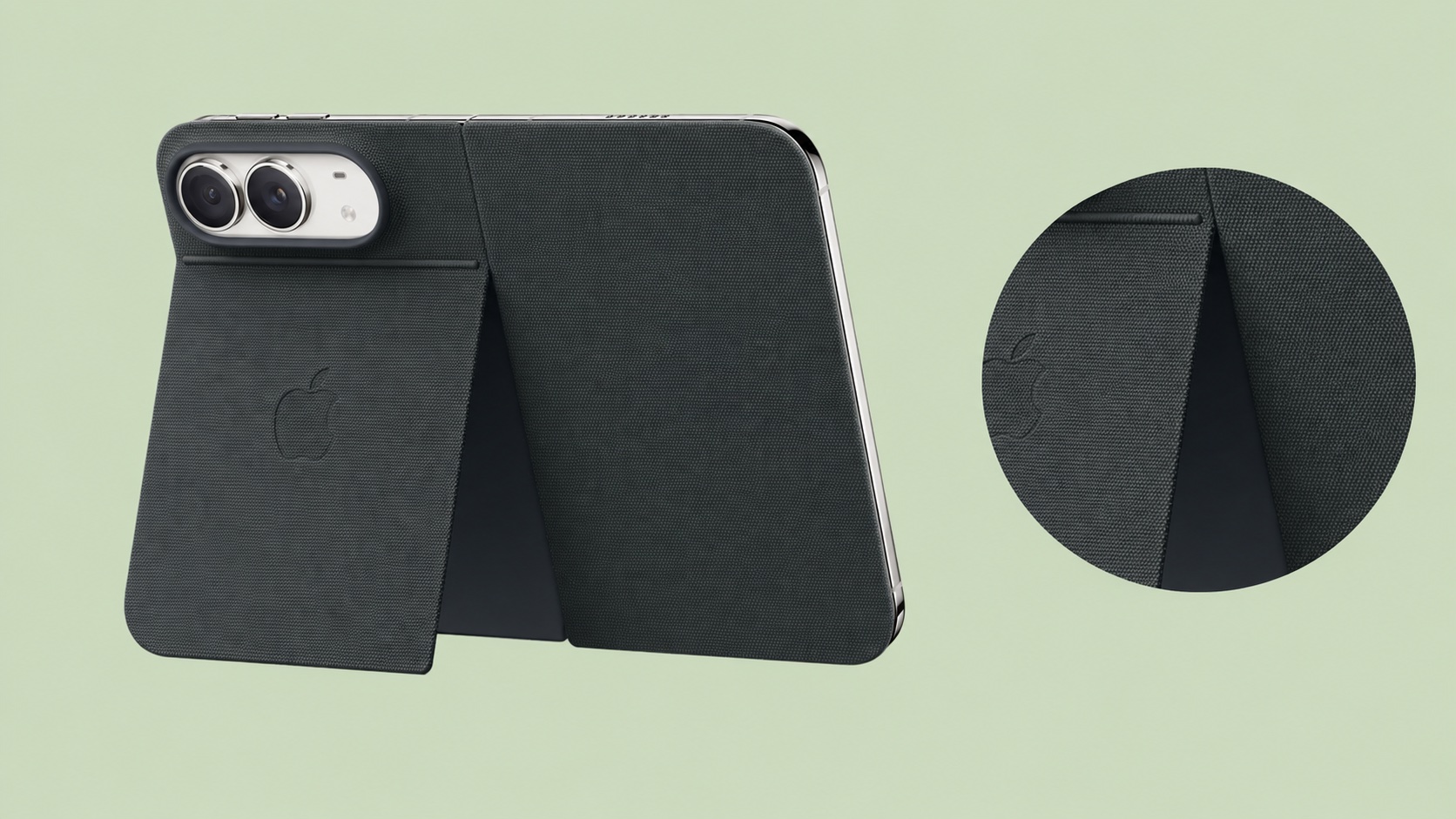
Apple’s official iPhone Duo Case uses a two-part design that wraps around both sides of the device. Apple also announced a Folio with an integrated kickstand. These official products are useful references for understanding the device’s use cases, but third-party suppliers should still provide their own design details, materials and test evidence. Similar appearance does not establish equal fit or performance.
The two displays also create separate protector categories. The outer display behaves more like a familiar phone screen, while the inner display is part of the folding mechanism. Sellers should be especially cautious about claiming that a third-party film is suitable for the inner display. Ask whether installation could affect folding, touch response, glare, crease behavior or the manufacturer’s warranty, and do not improvise installation advice.
Two-piece protective shells are an obvious category because buyers may want colors, textures and price points beyond Apple’s own range. Look for secure attachment, correct camera clearance, accessible buttons and enough space for the hinge to move. The product description should say whether hinge protection is included rather than hiding that detail in photographs.
Folio covers and tabletop stands can support reading, video calls and hands-free viewing. The key questions are stability, angle range, thickness when folded and whether the product blocks either display. A stand designed for an ordinary phone may tip over when iPhone Duo is opened, so load and angle tests matter.
Outer-screen protectors may be easier to validate than inner-screen films, provided the glass dimensions, edge treatment and camera opening are correct. Installation frames and cleaning kits can reduce user error and create a stronger bundle, but the included components should be photographed and listed accurately.
Magnetic charging stands and pucks may also be relevant. Apple states that its own Duo accessories support MagSafe and Qi2 25W, but that does not mean every third-party magnetic product supports the same performance. Request the exact charging specification and evidence for the supplier’s claim. A magnetic ring alone does not prove certified wireless charging compatibility.
Slim stylus sleeves, travel organizers and cable pouches can complement the device without depending on exact phone geometry. Apple says iPhone Duo will support Apple Pencil with USB-C later in 2026, which may create demand for ways to carry a pencil and charging cable together. Sellers should avoid promising device support before Apple’s rollout and the accessory’s fit have been confirmed.
Open and close the device repeatedly with the accessory installed. Check whether any edge lifts, rubs or presses against the hinge. Confirm that the case remains aligned in both positions and that the phone can sit flat or stand at the advertised angles. Inspect the fit around cameras, flash, speakers, microphones, charging points and side controls.
For protectors, verify coverage, edge gaps, bubbles, touch response and any interference with a case. For magnetic products, test alignment in the device positions the seller plans to show. Record the sample model, color and revision so later production can be compared with the approved unit.
Packaging deserves its own check. Separate case pieces and small hinge components should not rub against one another during transit. Installation instructions must match the actual product. If adhesive strips are included, confirm their position, spare quantity and storage life.

Use precise model names and create separate variants where fit differs. Do not place “iPhone 18,” “iPhone 18 Pro,” “iPhone 18 Pro Max” and “iPhone Duo” in one title simply to capture searches. A shopper should immediately understand which device was tested and which parts are included.
Distinguish verified facts from expected use. “Designed for iPhone Duo outer display” is different from “works with all iPhone 18 models.” If a charging speed, material property or drop-protection level has not been supported by evidence, leave it out. Clear limitations reduce returns and protect the credibility of the store.
Use original supplier-approved or commissioned product images rather than Apple’s press photographs as sales images. Apple’s newsroom material may help a sourcing team understand the device, but it does not automatically grant a reseller the right to reuse it in a product listing.
Sellers who want to move quickly on iPhone Duo accessories (and related iPhone 18 items) should prepare in stages rather than waiting for full market availability.
Start with a limited group that carries different risk levels — for example:
Ask suppliers which items are already tooled, which are still in development, and when physical samples will be available. Do not treat a render as a finished product.
Use the packed size and weight to estimate the full delivered cost. Confirm whether the item contains a battery or any other component that changes the air-parcel shipping route. Accurate cost data is especially important when planning iPhone Duo accessories that may have different dimensions from regular iPhone 18 models.
Prepare accurate variant names in advance, but hold the product page as a draft until the sample and supporting evidence match. This prevents early orders against unconfirmed compatibility.
The UTS sourcing-to-fulfillment process shows how confirmed product information moves into packing and fulfillment.
UTS can assist with supplier communication, sample and specification checks, quality-control coordination, packing, and eligible international fulfillment for iPhone Duo accessories and other iPhone 18 products.
If you want to research iPhone Duo accessories opportunities, send the intended products, sales countries, and target retail prices to UTS through WhatsApp. The sourcing team can then confirm what is actually available instead of relying on launch-day assumptions.