Phone:
+85295718875
Email:
support@just-wonders.com

Phone:
+85295718875
Email:
support@just-wonders.com
A practical workflow for sourcing, sampling, checking and fulfilling iPhone 18 accessories from China.
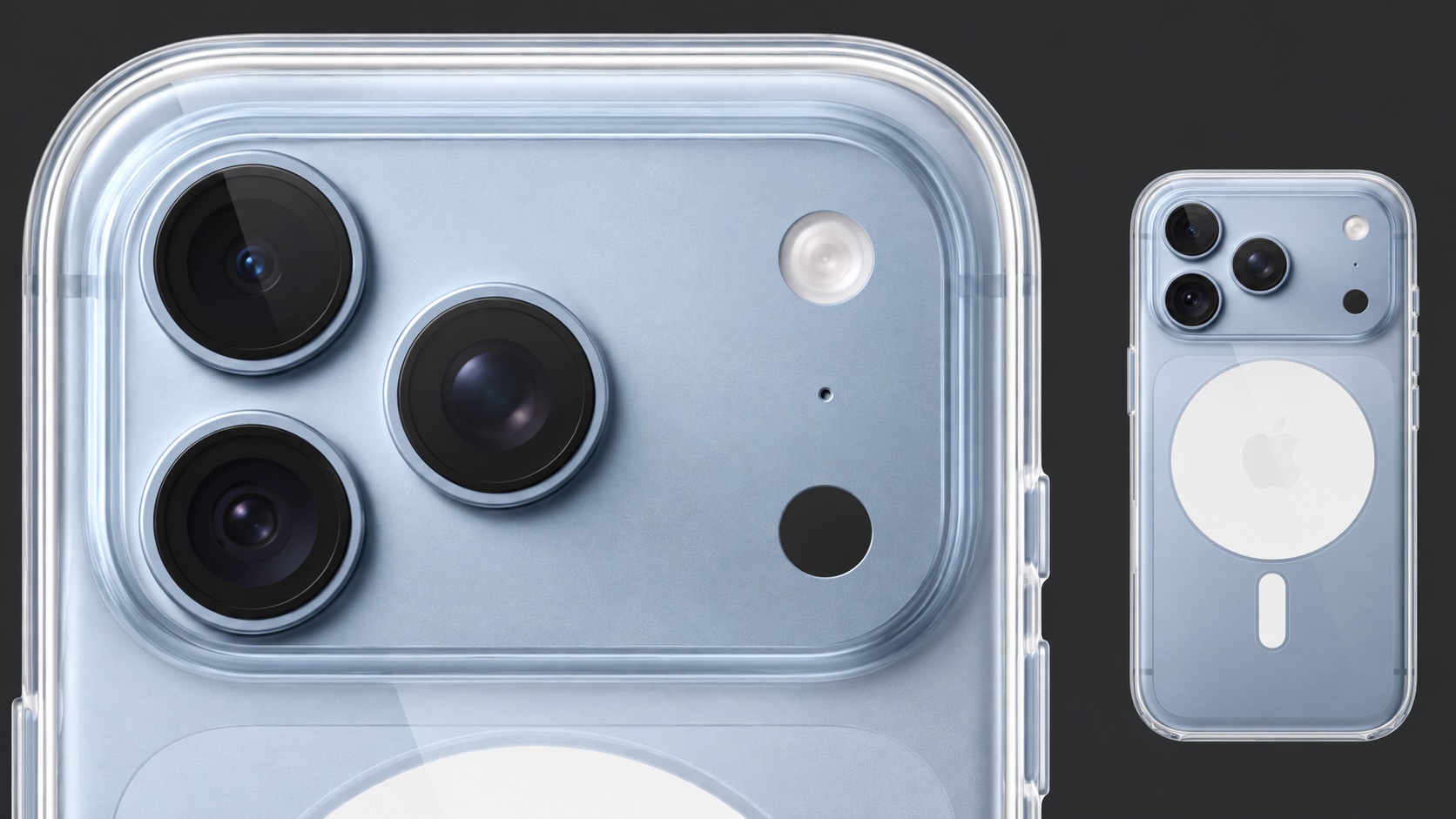
Apple just announced the iPhone 18 Pro, Pro Max, and the foldable Duo. Demand for accessories is about to spike — but rushing to the cheapest listing on a marketplace is one of the fastest ways to end up with returns, wrong fit, and angry customers.
Learning how to source iPhone 18 accessories from China is not simply a matter of searching a marketplace and choosing the lowest price. Apple announced the iPhone 18 Pro, iPhone 18 Pro Max and foldable iPhone Duo on September 9, 2026. New device shapes can create fast demand for accessories, but the first supplier listing is not always the first product ready for sale.
Early in a launch cycle, many “iPhone 18” products are still based on concept images or provisional specs. A smarter approach separates product discovery from product approval. Here’s how to source real, sellable iPhone 18 accessories from China without the usual headaches.
If you want to source iPhone 18 accessories from China efficiently, you need to define your requirements clearly before contacting suppliers. “iPhone 18 accessories” is too broad for a supplier to quote reliably. A better request might specify an outer-screen protector for iPhone Duo, a non-battery magnetic stand for iPhone 18 Pro, or a two-piece case with hinge protection.
Here is what you need to prepare before you source iPhone 18 accessories from China:
Do not send a vague inquiry. Suppliers cannot quote accurately without precise details. Specify the exact model, product category, target market, expected selling price and desired launch date. The clearer your request, the faster and more accurate the quotation will be.
Every detail affects cost and feasibility. Tell the supplier what materials you want. Specify the colors. Explain your branding requirements. Describe the packaging you need. State your order quantity. These factors determine the unit price and production timeline.
If the product will be dropshipped, ask for individual packed weight and dimensions. Those figures affect the shipping quotation. They may also change which product version is commercially viable. Always confirm these details before committing to an order.
Give the supplier official device information so they can ensure compatibility. However, do not ask a factory to copy Apple’s branding or packaging. The sourcing objective is a compatible third-party product with its own presentation. This reduces customer confusion and lowers avoidable intellectual-property risk.
When you source iPhone 18 accessories from China, your goal is a functional, compatible product. It should have its own brand identity. It should not imitate Apple’s design language or packaging. This approach protects your business and builds trust with your customers.
By following these steps, you can source iPhone 18 accessories from China with confidence. Clear specifications lead to accurate quotes. Accurate quotes lead to profitable products.
A marketplace title can be changed quickly, especially around a new-device launch. Ask the supplier whether the product is based on final device data, whether tooling is complete and whether a physical sample exists. Request current photographs or video rather than relying only on renders.
Collect dimensions, material, weight, included components, available colors, production time, minimum order quantity and packing specification. For model-specific accessories, request evidence showing the sample installed on the correct phone or checked against a reliable fixture. Note the supplier name and sample revision so information from different vendors is not mixed together.
Charging accessories need additional documentation. Confirm input and output specifications, supported protocols, plug type and the basis for any MagSafe, Qi2, power or speed claim. The Wireless Power Consortium provides a certified product database for Qi products. A magnetic appearance alone should not be treated as certification.
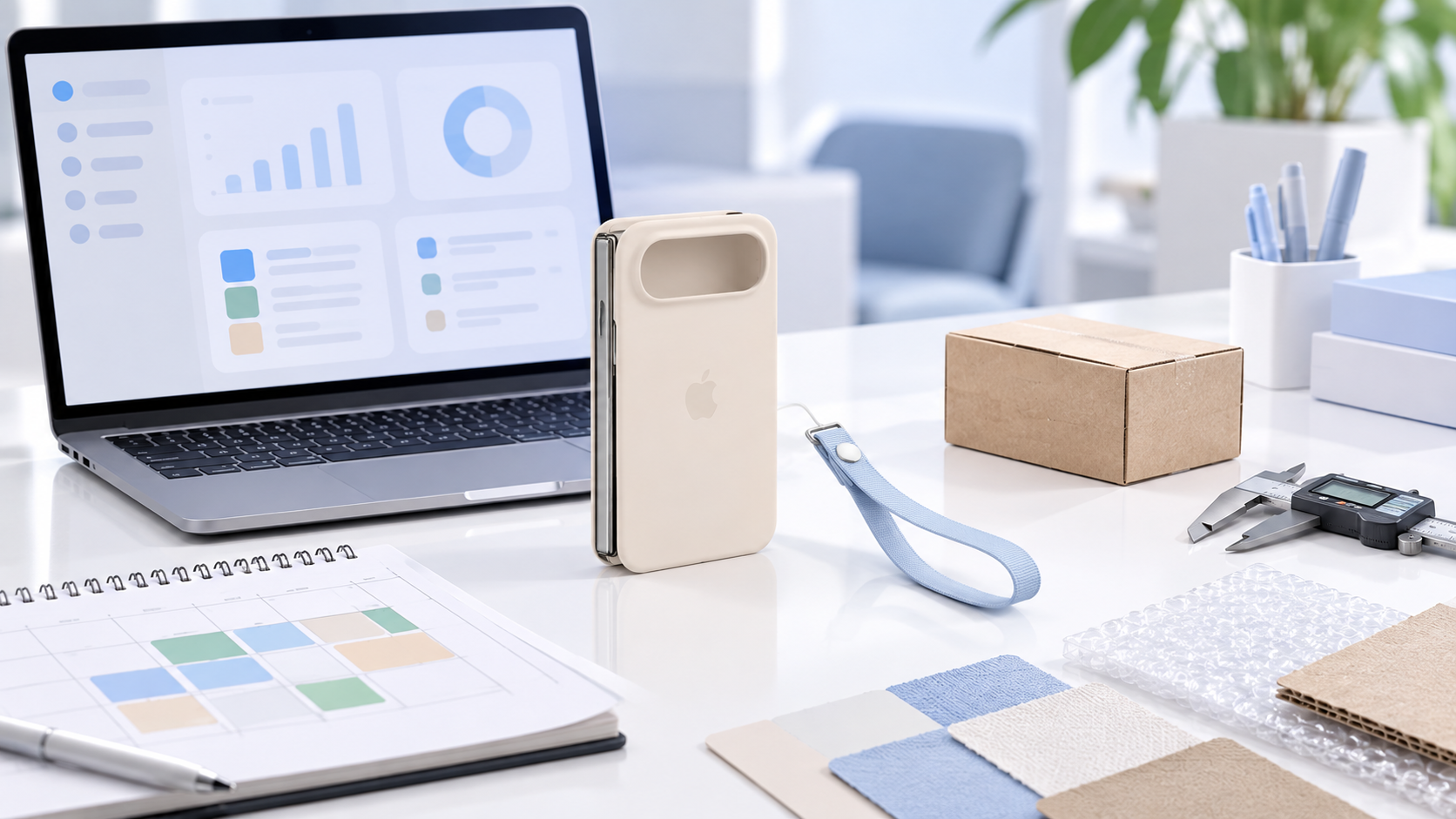
A sample review should test the promise the customer will see. For a case, inspect fit, button feel, camera clearance, port access, surface finish and any effect on wireless charging. For a protector, check alignment, edge adhesion, touch response and installation components. For a stand, test stability in the advertised orientations.
Compare the sample with the product photographs and written specification. If the supplier changes material, magnet strength, coating, packaging or included parts, it should be treated as a revision. Approving one sample does not automatically approve every later batch.
Where possible, keep a reference sample or detailed inspection record. That gives the quality-control team something concrete to compare with production. A vague instruction such as “good quality” cannot replace measurable checks.
Use the packed size and weight to estimate fulfillment cost. A lightweight item can become expensive if its retail box is oversized, while a bundle containing a charger or battery may require a different route from a passive accessory. Confirm the route before publishing a delivery promise.
Include the product price, domestic delivery to the fulfillment location, inspection or handling needs, packaging, payment costs and international shipping in the commercial review. A low factory price does not guarantee a competitive delivered price.
Start with a limited set of variants. Too many colors and models can create fragmented inventory or mapping errors before demand is understood. A smaller launch makes it easier to monitor compatibility questions, damage, returns and customer preferences.
Packaging must protect the product and communicate the correct model. A protector or case placed in the wrong variant box can produce a return even when the product itself is defect-free. Barcodes, SKU labels and picking references should distinguish similar-looking models.
Electrical accessories and battery products may be subject to safety, labeling, documentation or shipping requirements in the destination market. Ask for documents that identify the actual manufacturer and exact product model. Do not accept an unrelated certificate simply because the general product category looks similar.
For sales into the European Union, review the applicable product-safety and responsible-person obligations under the General Product Safety Regulation. Requirements differ by product and market, so the seller should obtain appropriate compliance advice rather than relying solely on a supplier’s assurance.
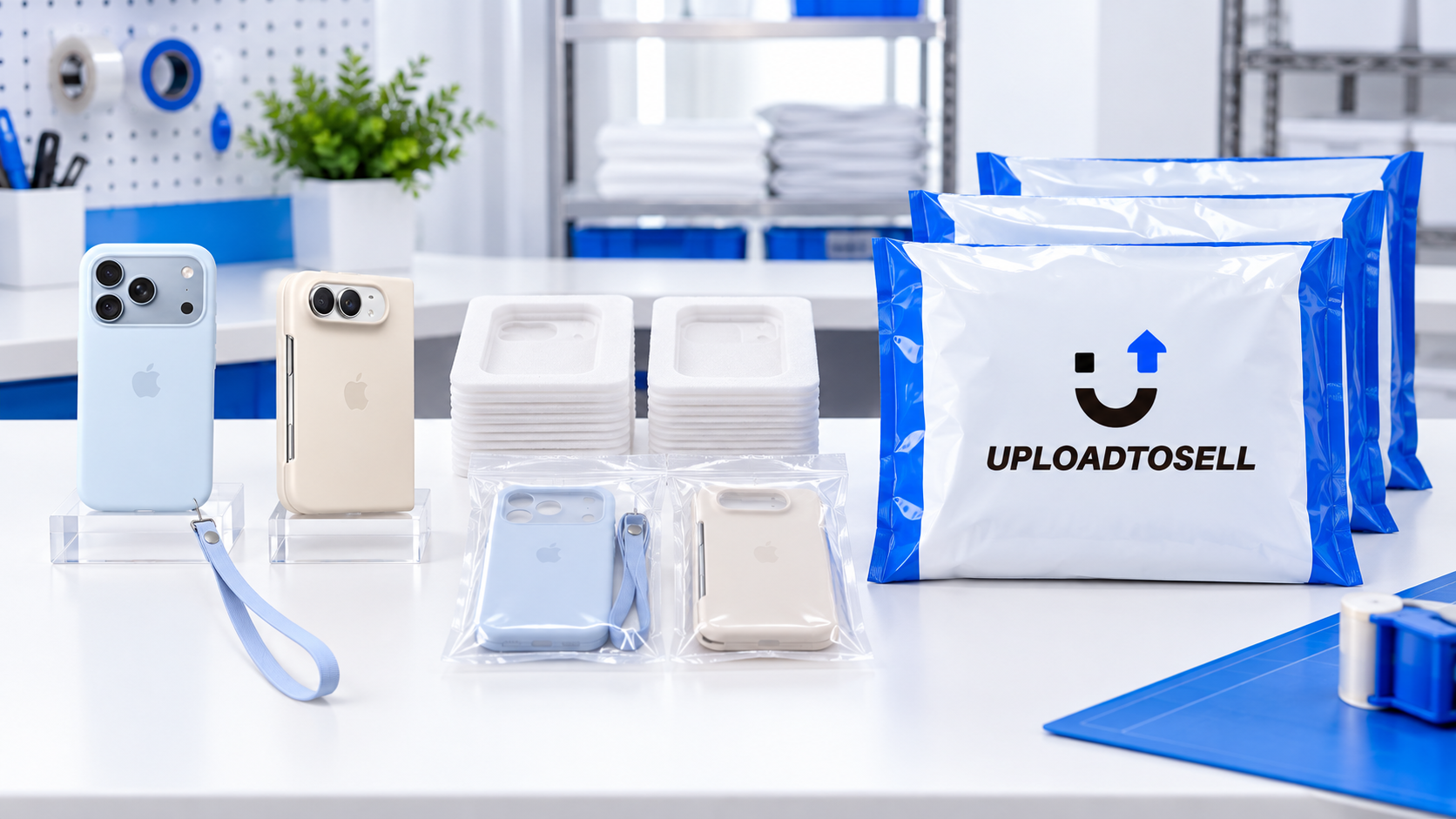
Write the title and compatibility field from the approved sample record. Use accurate dimensions, materials, contents and limitations. Avoid copying a supplier description that mixes several models or makes unsupported protection and charging claims.
Use original product photographs supplied with permission or commissioned for the store. Do not use Apple’s official press photographs as if they were photographs of the third-party item. If an image is a render, identify it internally and replace it when verified production photos become available.
Keep the listing in draft until compatibility, price and shipping are confirmed. This is faster to correct than taking orders against uncertain information. After launch, collect customer questions and return reasons so the sourcing checklist improves with real evidence.
The handoff between purchasing, product data and fulfillment is where many preventable errors appear. The approved SKU, variant name, supplier version and packing instruction should remain consistent from the quote through the warehouse record and customer order. The UTS sourcing-to-fulfillment process provides a reference for this handoff.
Looking for someone to handle the heavy lifting when you source iPhone 18 accessories from China? That’s exactly what UTS can do for you.
Here’s the deal. UTS can help with supplier sourcing, specification confirmation, sample coordination, quality-control arrangements, packaging, and eligible air-parcel fulfillment from China. Pretty much the whole pipeline, handled for you.
One thing to keep in mind though. The service scope depends on the accessory and where it’s headed. Products with batteries? Those come with extra shipping rules and restrictions. So the destination and product type really matter here.
Want to kick off a focused iPhone 18 accessory search? It’s simple—just contact us and send the following:
That’s it. A clear brief helps the sourcing team come back with comparable options that actually fit your needs. No random marketplace links. No wasted time. Just real, relevant choices.
So if you’re ready to source iPhone 18 accessories from China without the guesswork, send UTS a message and get the ball rolling.