Phone:
+85295718875
Email:
support@just-wonders.com

Phone:
+85295718875
Email:
support@just-wonders.com
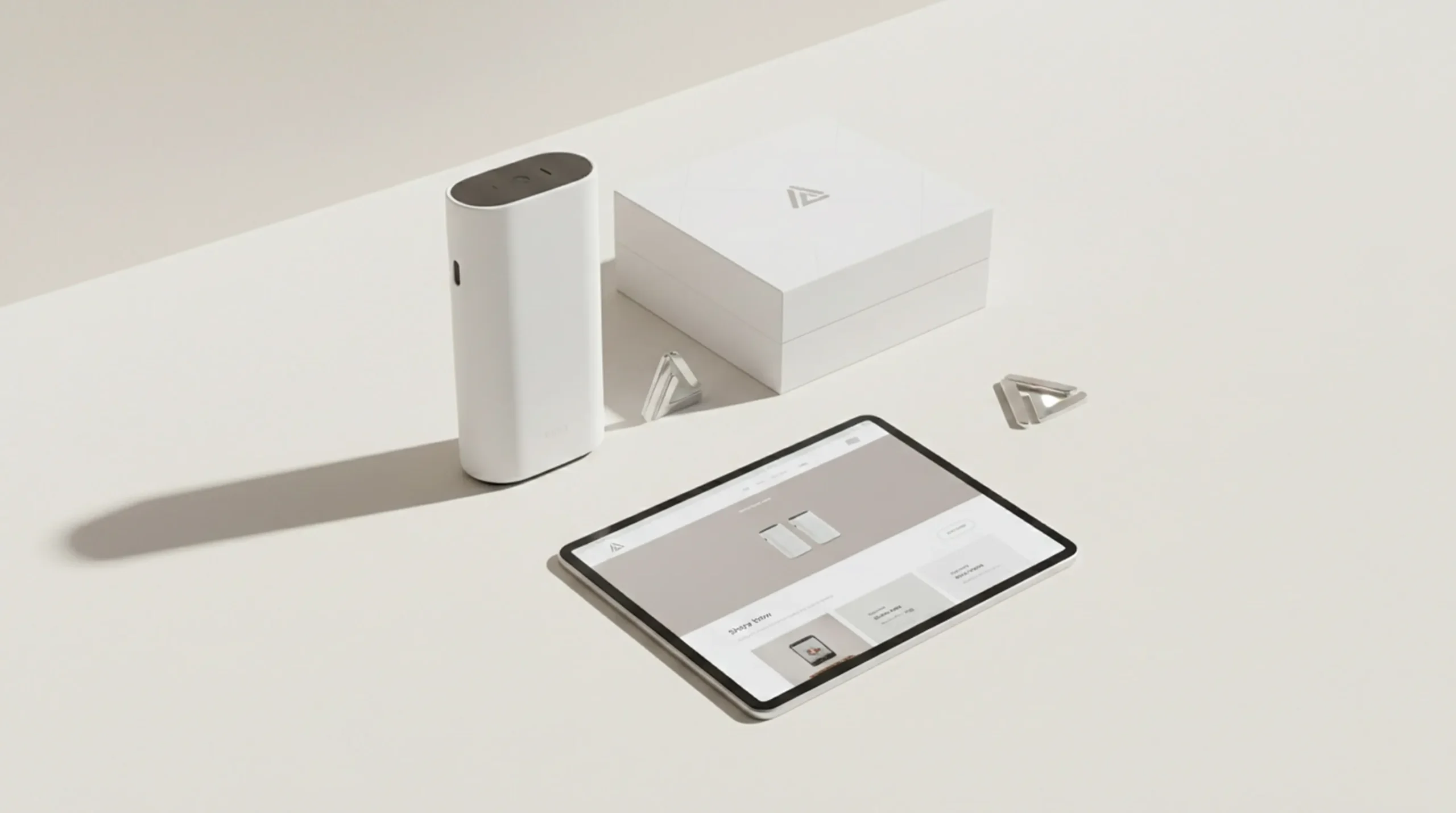
Most ecommerce sellers focus on products or advertising.
However, long-term success in dropshipping comes from something else: brand consistency.
Stores that maintain consistent visuals, messaging, and customer experience are more likely to build trust and achieve higher conversion rates.
After analyzing many dropshipping stores, a common issue becomes clear.
The biggest problem is not traffic or product selection.
It’s this:
Many stores lack consistency across their brand.
Product images use different styles, packaging feels random, logos do not match the product positioning, and website colors are inconsistent.
This creates a fragmented experience that customers notice immediately.
Customers can sense this inconsistency immediately, even if they cannot clearly explain it.
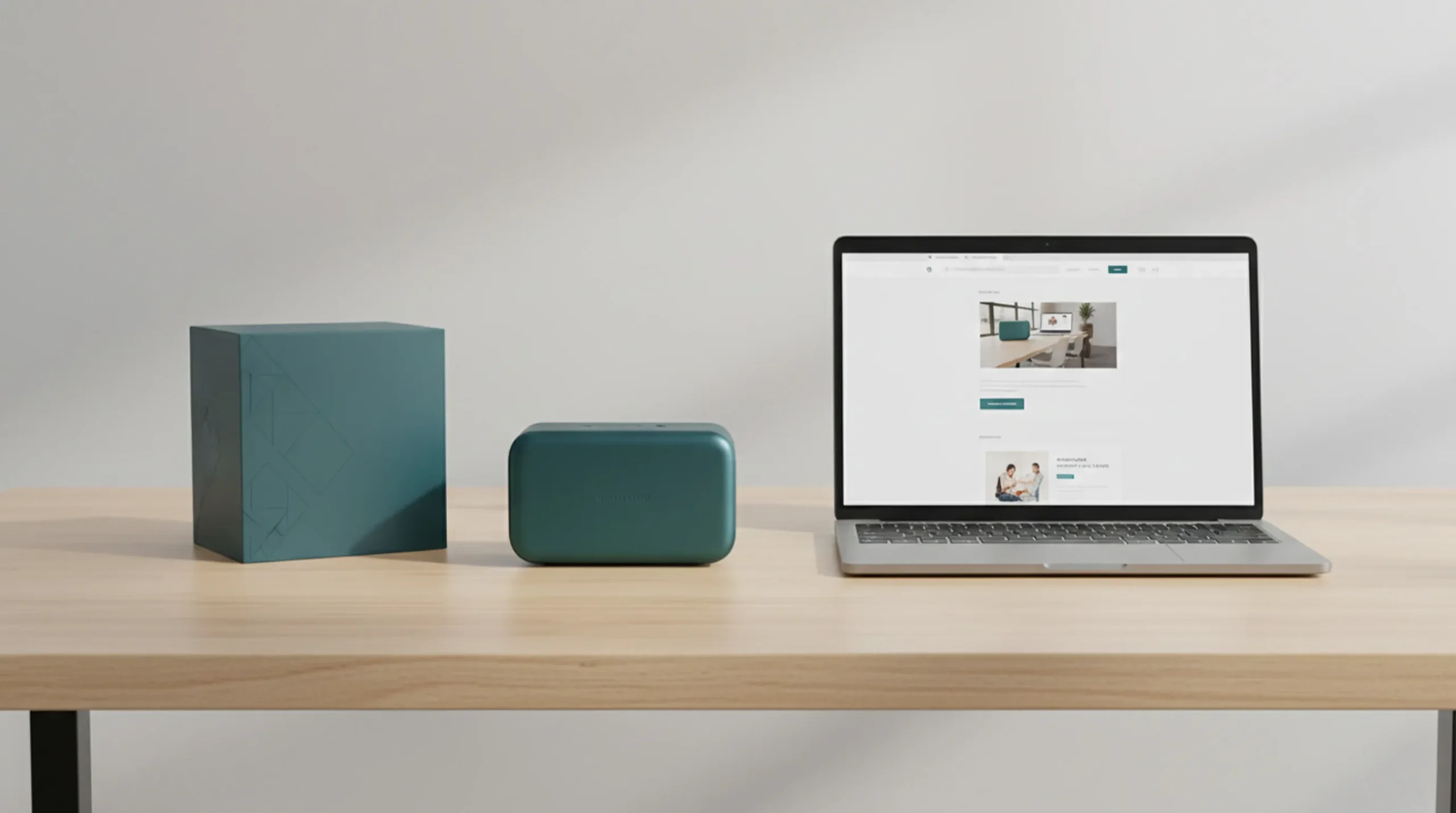
When your visuals are consistent, your ecommerce store feels intentional and professional.
When they are not, the store feels temporary and untrustworthy.
In ecommerce, brand consistency means maintaining a unified visual system across all touchpoints, including:
This does not require a large team, but it does require planning and attention to detail.
Many dropshipping stores rely on supplier images that do not match their overall branding. As a result, the store feels more like a marketplace than a real brand.
Consistent branding signals professionalism, and professionalism builds trust.
In ecommerce, increased trust leads to higher conversion rates.

Most dropshipping sellers ignore packaging because they see it as a later-stage concern.
However, this is a mistake.
In ecommerce, even simple custom packaging can significantly improve perceived value and brand positioning.
Packaging communicates important signals to customers, including:
You do not need large order volumes to implement this.
With the right approach, even small sellers can use custom packaging to create a more professional and consistent brand experience.
Packaging is not just about protection. It is a key part of your brand positioning and directly influences conversion rates.

Most beginners focus on finding winning products.
However, strong ecommerce brands focus on building cohesive product catalogs.
This means creating a consistent system where all products feel connected, including:
When everything is aligned, your store no longer feels like a temporary test. It feels like a scalable and structured business.
Many sellers reach a plateau because they optimize ads but ignore brand structure. Without consistency, scaling becomes more expensive and less efficient.
In ecommerce, brand consistency reduces friction in the buying process, which leads to better performance and higher conversion rates.
In 2026, ecommerce competition is no longer about who finds products first, but about who presents them better.
Brand consistency is not just a visual choice. It is a core business strategy that influences how customers perceive your store.
When your branding, visuals, packaging, and messaging are aligned, your store feels more professional, trustworthy, and scalable.
This alignment reduces friction in the buying process and helps improve conversion rates.
In today’s ecommerce environment, the brands that win are those that focus on consistency, clarity, and long-term positioning.
Want to build a consistent ecommerce brand that customers trust?
Start with UploadToSell and create unified product pages, professional packaging, and a seamless brand experience that improves conversion rates.
What is brand consistency in ecommerce?
Brand consistency means maintaining the same visual style, messaging, and customer experience across your entire store, including product pages, packaging, and design.
Why is brand consistency important for dropshipping?
Brand consistency helps build trust, improve perceived value, and increase conversion rates, making your store feel more professional and reliable.
How does packaging affect brand perception?
Custom packaging improves how customers perceive your product, making it feel more premium and intentional, which can lead to higher conversions.
What is the difference between a product-focused store and a brand-focused store?
A product-focused store sells individual items, while a brand-focused store builds a cohesive system where all products, visuals, and messaging feel connected.
How can I improve brand consistency in my store?
You can improve consistency by using unified visuals, matching packaging, clear brand positioning, and a consistent tone across all customer touchpoints.