Phone:
+85295718875
Email:
support@just-wonders.com

Phone:
+85295718875
Email:
support@just-wonders.com

Most guides on how to brand a dropshipping business start with the same tired advice. Pick a logo. Choose a color. Write a mission statement. The problem? Your customers do not care about your mission statement. They care about whether your store feels trustworthy in the three seconds before they click away.
Branding a dropshipping store is not about looking fancy. It is about removing doubt. When a visitor lands on your page, they are asking one question: “Is this a real business, or am I about to get scammed?” Your brand answers that question before they read a single word.
This guide breaks down how to brand a dropshipping business into seven practical steps. Each step includes a real example from stores that have done it well. No fluff. No theory that does not convert. Just actions you can take today.
Before you design a single pixel, look at what your supplier already gives you. Most dropshippers ignore this goldmine. They download the same AliExpress photos everyone else uses. Then they wonder why their store looks identical to ten thousand others.
Start by asking your supplier three questions:
A store selling bamboo cutting boards did this brilliantly. Instead of using generic white-background photos, they asked their supplier for images of the bamboo being harvested. They used these as banner images on their homepage. Sales jumped 34% in two weeks. The reason? The photos proved the product was real.
When you learn how to brand a dropshipping business, start with proof. Proof beats polish every time.

A micro-brand is a store that owns one specific feeling in one specific niche. It does not sell everything. It sells one idea, repeated across every page.
Here is the formula:
One niche + One emotion + One visual style = A micro-brand.
A store selling only bee-shaped watering trays for gardeners built a micro-brand around “backyard joy.” Every photo showed golden-hour sunlight. Every product description mentioned the sound of bees. The logo was a simple hand-drawn bee. Nothing expensive. Everything consistent.
This is where a professional dropshipping branding service becomes valuable. You do not need a full agency retainer. You need someone to lock your visual style so it never drifts. UploadToSell specializes in this exact gap. We help dropshippers create sales-focused photography and video that fits a micro-brand without the micro-brand price tag.
When you work with UploadToSell, you get product shots that match your micro-brand mood. You provide the emotion. We provide the visuals. This keeps your store looking cohesive even when you add new products from different suppliers.
Mission statements are dead. Origin myths are alive. An origin myth is a single sentence that explains why this store exists. It is not about you. It is about the customer.
Compare these two:
The second one is real. It is specific. It gives the customer a reason to trust you.
A wrist-worn scorekeeper store used this origin myth: “Built by a padel player who was tired of losing count during tie-breaks.” That one line appeared on their About page, their product page, and their order confirmation email. Returns dropped. Repeat purchases rose. People buy from people, not from stores.
When you figure out how to brand a dropshipping business, start with the story only you can tell.
Color psychology is real, but most dropshippers misuse it. They pick purple because it looks premium. Or orange because it feels energetic. Then their store looks like a circus.
Here is a better approach. Choose your colors based on what your customer needs to feel:
A cat resin ornament store chose matte black, antique gold, and blood red. Why? Because their customers were Halloween decorators looking for spooky elegance. The colors matched the customer’s imagination, not the owner’s preference.
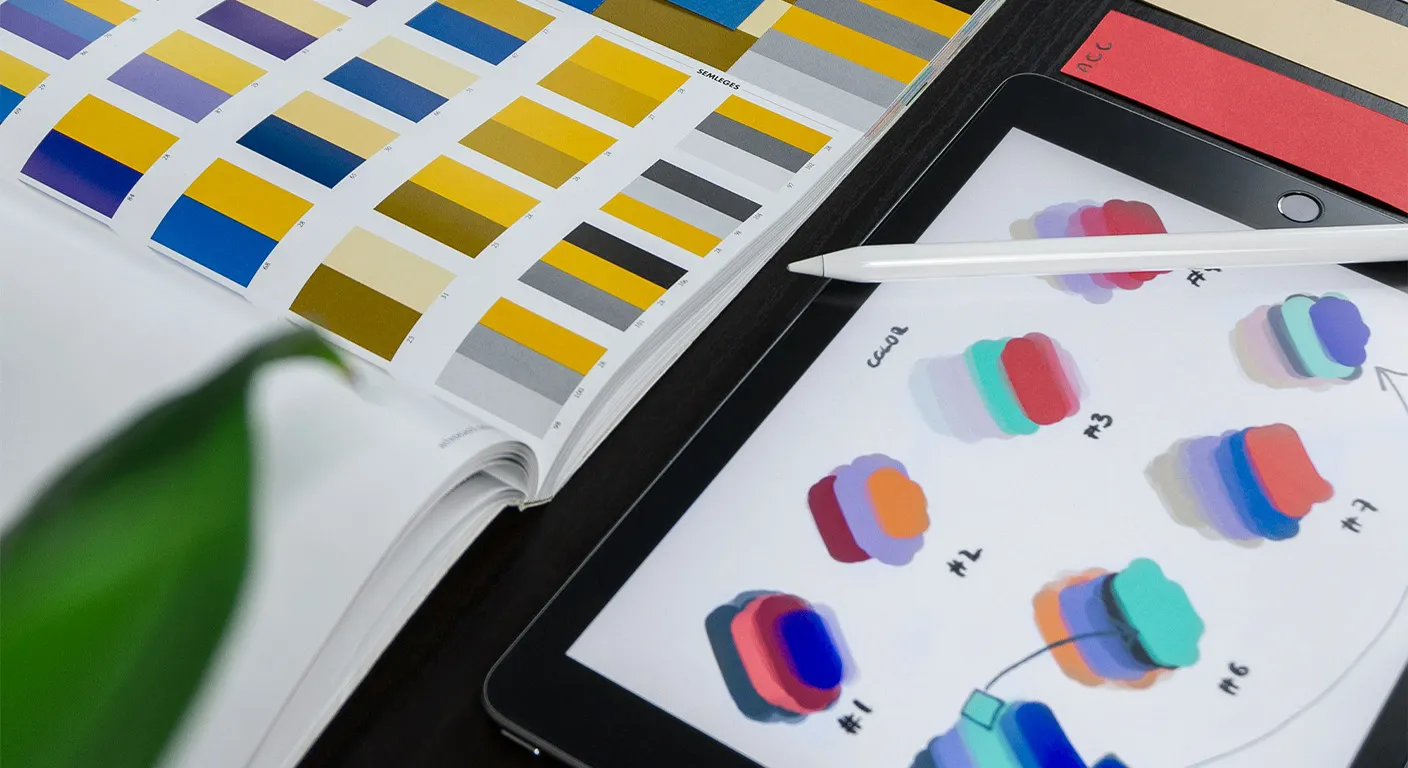
A good dropshipping branding service will not ask you what colors you like. It will ask what feeling your customer needs to have before they buy. That is the difference between decoration and branding.
The biggest branding mistake in dropshipping is the floating product. You know the image. A white background. A perfectly lit item. No human, no room, no life. It screams “I have never touched this product.”
Contextual photography shows the product in a real life. It answers the customer’s real questions. How big is it? Where does it go? Who uses it?
A pet niche store selling stress-relief corn toys did not just photograph the toy. They photographed a golden retriever nudging it across a hardwood floor. They photographed the owner laughing while the dog chased it. The product became a moment, not an object.
This is why UploadToSell focuses on lifestyle and context shots. We know that a customer does not buy a product. They buy the version of themselves that owns the product.
When you master how to brand a dropshipping business, you learn to sell scenes, not specs.

In dropshipping, you do not control the warehouse. But you can control the expectation. Unboxing anticipation is the feeling a customer gets before the package arrives. You build this through your confirmation email, your tracking page, and your packaging inserts.
Here is a fresh tactic most dropshippers miss: send a “pre-arrival” email.
Three days before delivery, email your customer. Say: “Your [product name] is almost home. Here is the best way to use it when it arrives.” Include a short video or a GIF. Now the customer is excited before they even touch the box.
A fitness niche store selling portable scorekeepers sent a pre-arrival email with a 30-second video showing how to strap the device before a match. Their review rate doubled. Customers felt guided, not abandoned.
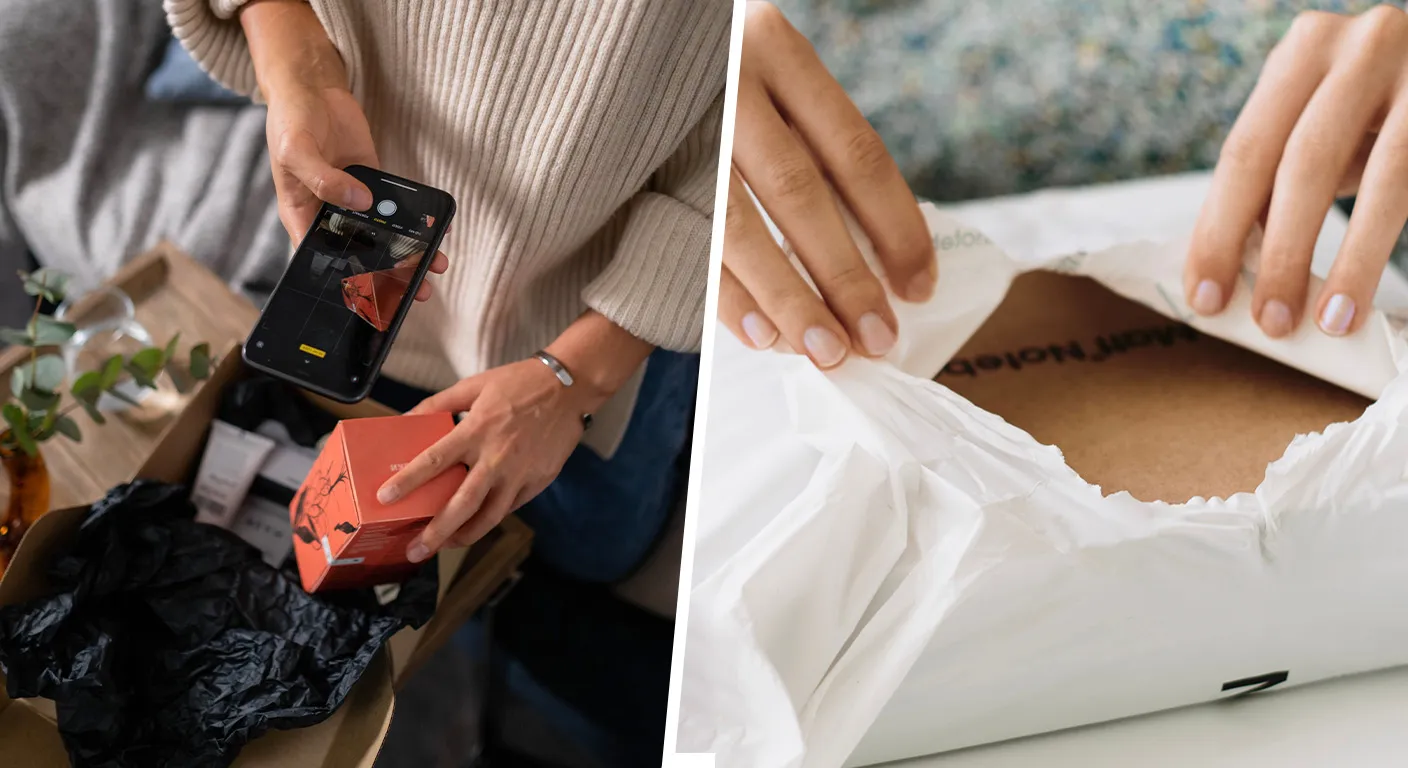
Even if you cannot customize the box, you can customize the message. A printed thank-you card costs pennies. A QR code linking to a “Welcome to the club” video costs nothing. These small signals tell the customer: “This is a real brand that cares.”
The sale is not the finish line. It is the starting line of your brand. Most dropshipping stores go silent after the customer pays. Smart brands get louder.
Your post-purchase voice includes:
A kitchen gadget store wrote their shipping updates like a friend texting: “Your corn peeler just left our warehouse. It is probably listening to podcasts in the truck right now. Track it here.” Their open rate on shipping emails was 72%. Industry average is 45%.
When you understand how to brand a dropshipping business, you realize the brand lives in the boring emails everyone else ignores.
If you only control the insert, start there: one thank-you card, one QR code, one line of your origin myth.
If you work with a fulfillment partner, go one layer further. Replace the generic outer shipper with a logo mailer or a simple recycled box. Add a sticker or a short insert. That is enough to make the unboxing match the store. You do not need a luxury rigid box on every SKU.
UploadToSell can apply custom packaging at pack-out, so the brand shows up on the doorstep, not only on the website. Pair it with a clear unboxing flow and the pre-arrival email from this step. The customer should recognize you before they open the tape.

Let us look at a store that applied all seven steps. They sell LED cabinet lights. Nothing unique. Thousands of sellers have the same item.
Step 1: They asked their supplier for factory certification and photos. They displayed a “Quality Certified” badge on their homepage.
Step 2: They built a micro-brand around “invisible home upgrades.” Every photo showed the light blending into a modern kitchen.
Step 3: Their origin myth: “Started after I tripped over a shoe in my dark hallway at 2 a.m.”
Step 4: Their colors were warm white, soft charcoal, and copper. Clean. Quiet. Premium.
Step 5: They shot context photos. A mother reaching into a lit cabinet while holding a baby. A man finding his keys on a lit shelf.
Step 6: They sent a pre-arrival email with installation tips. They included a QR code for a 60-second install video inside the package.
Step 7: Their review request arrived ten days later. It said: “Has your hallway stopped being a death trap? Let us know.” They got 400 reviews in three months.
This store did not reinvent the product. They branded the experience around it.
Learning how to brand a dropshipping business is not about spending more money. It is about making sharper decisions. Audit your assets. Build a micro-brand. Tell a real story. Choose colors for trust. Shoot for context. Create anticipation. Speak to customers after they buy.
If you want help with the visual side, UploadToSell is built for this exact challenge. We are a dropshipping branding service that creates high-converting product photos and videos tailored to your store’s identity. From lifestyle shots to seasonal campaigns, we handle the visuals so you can focus on sales.
Your product is already good enough. Your brand just needs to prove it. Start with Step 1 today. Your next customer is already deciding whether to trust you. Make sure the answer is yes.
You do not hold the inventory, and you often share the same product with other sellers. Your brand has to live in photos, copy, pack-out, and post-purchase emails — the parts you can control. That is why a micro-brand beats a generic catalog.
Yes, if you change the presentation. Use exclusive or real-sample photos, your own product names, your origin sentence, and branded inserts. Do not reuse the supplier’s public images and title.
Spend first on proof: sample, real photos, and a simple insert. A one-color logo on a kraft mailer plus a thank-you card usually beats a full identity package. Add custom outer packaging when a SKU already sells.
The same colors, photo style, and origin myth, yes. The same expensive box, no. Use a mailer for soft goods and a snug branded box only when the product needs it.