Phone:
+85295718875
Email:
support@just-wonders.com
Phone:
+85295718875
Email:
support@just-wonders.com
Exclusive product photos depend on agreed usage rights. Understand a private shoot, designer access and why picture exclusivity does not reserve the goods.
Paying for a private shoot does not, by itself, tell you who may use the resulting pictures. A photographer can produce new content for your store without giving you exclusive product photos. The distinction is between making the pictures specifically for you and agreeing that other people cannot use them within a defined scope. Receiving the files answers neither the ownership question nor the full meaning of your usage rights.
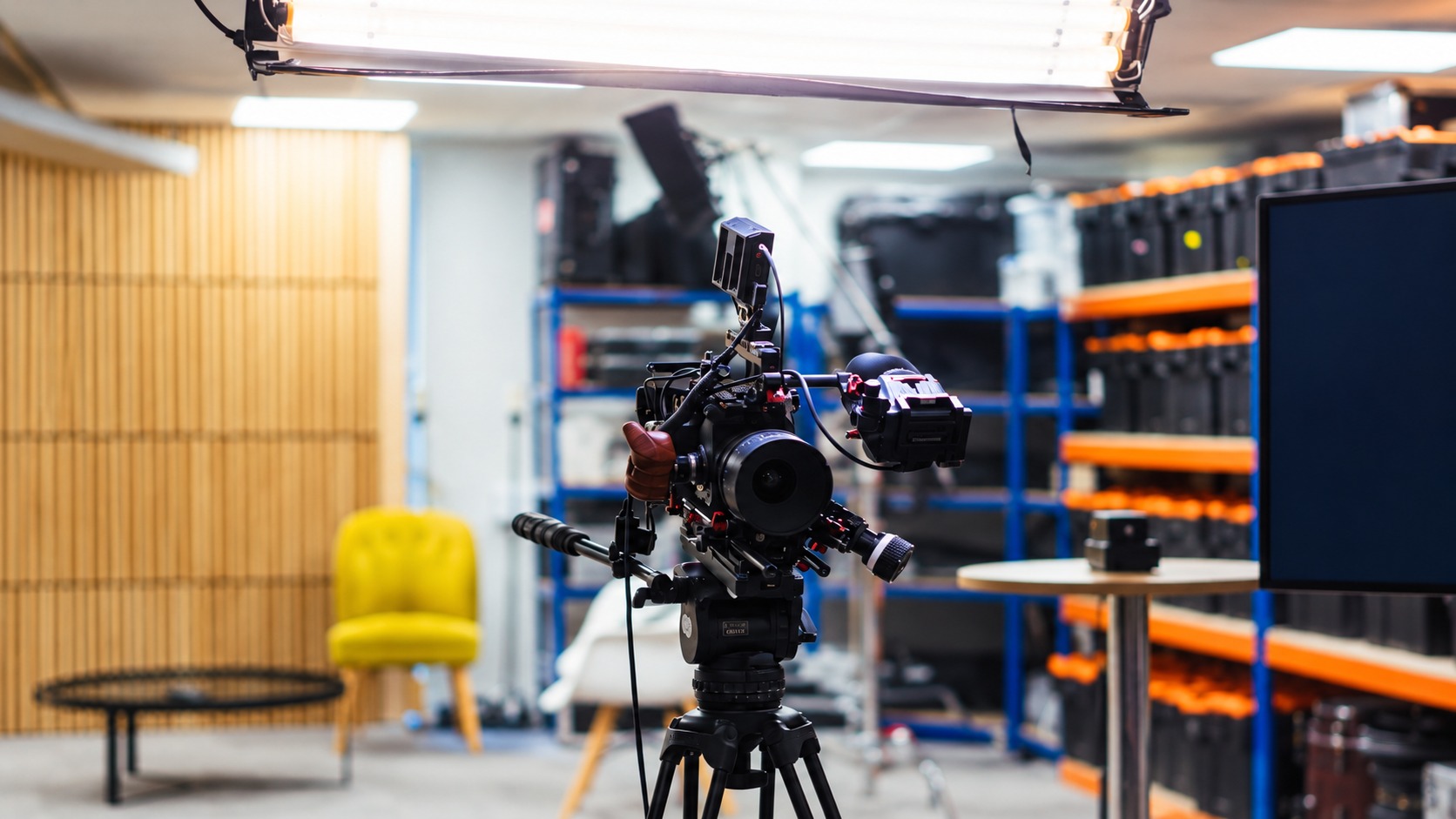
For a dropshipping seller who does not handle the goods, commissioning real photographs can replace the same supplier images used by many stores. UTS’s photography and video service covers planning, production, editing and delivery around your product. Those production tasks are separate from any promise of exclusive product photos. If preventing reuse by other stores matters to the purchase, describe that requirement when discussing the project and ask what agreement can support it. A dedicated shoot and an agreement about who may use its output solve different problems.
Three things can change hands separately: the image files, permission to use the pictures and copyright ownership. A downloadable folder is the practical deliverable; usage rights describe what you may do with it. Ownership is a different question again. You may be able to use exclusive product photos for the purposes agreed without owning every right in the work. Conversely, the label ‘custom photography’ tells you how the content was made, rather than which rights were transferred.
The UK Intellectual Property Office’s guidance on commissioned works illustrates why payment alone is an unreliable shortcut. It says the person or organisation creating commissioned work is the first legal copyright owner unless otherwise agreed in writing. In some circumstances, the commissioner may have an implied licence for the intended purpose, but that need not transfer ownership and may be limited and non-exclusive. This is UK guidance; it does not establish the governing law or terms of your particular cross-border project. It shows why explicit usage rights matter more than an assumption about who paid.
File quality still matters, but it cannot settle that permission question. Our article on product photo delivery explains finished crops, larger versions and working files. Those outputs determine what your designer receives and can practically work with. A high-resolution original, an editable version or an unwatermarked download does not automatically mean exclusive product photos. Ask for the needed files and the intended permission as two distinct parts of the result.

A seller may want other stores excluded while still needing an outside designer to crop photographs, add a layout or prepare another page format. These are different uses by different people. Explain that the designer will work on your behalf for your business, rather than assume exclusive product photos cannot be shared with any collaborator. The agreed usage rights should address the intended editing and access, as well as where the finished pictures will appear. Your designer’s ability to open a file does not establish permission to adapt it.
Describe the commercial scope in ordinary terms: your named store and company, the channels and countries where you intend to use the images, and whether the arrangement lasts indefinitely or for an agreed period. A second brand owned by another entity or a reseller using the same photographs may fall outside a narrowly described permission. Exclusive product photos should have a clear meaning for the actual businesses involved. Usage rights for one store should not be silently treated as permission for a separate company to use the pictures for its own sales.
The UK IPO’s guidance on licensing copyright explains that a licence sets out what the user can do and may be limited by time or other scope. It also says an exclusive licence excludes everyone else, including the copyright owner, from the manner of use specified. If a provider wants to show the pictures in its portfolio, discuss that proposed use explicitly rather than assume it survives every exclusive agreement. The relevant usage rights need to reconcile the store’s expectations with any separately agreed reservation; the word ‘exclusive’ alone does not describe all of them.
Keep the subject of the pictures separate from the pictures themselves. Exclusive product photos can concern a particular set of images while the photographed product remains available to other sellers. An agreement about that set does not, by itself, reserve the supplier’s stock, prevent another shop from selling the same goods or stop a separate shoot of an otherwise lawfully available item. If your concern is an identical product appearing elsewhere, purchasing image permission is not an answer to product supply or design exclusivity.
Even the visual result can differ from the permission sold. A dedicated session can show your actual packaging, chosen variant and requested details, while another seller can commission its own photographs of the same kind of item. Your usage rights concern the agreed images and uses; they do not promise that every competing store will look different. A distinctive composition or your own branded package may help identify your content, but neither proves who owns it or prevents unauthorised copying.
Before accepting a promise of exclusive product photos, make sure it identifies the actual images, your permitted uses and who is excluded within the agreed scope. UTS can discuss the product content you want produced; any ownership transfer or exclusive permission needs explicit project terms, rather than an inference from its production service. If the legal wording or governing law is uncertain, obtain appropriate professional advice. The useful result is a picture set you can use as intended with your chosen collaborators, while understanding that other stores may still sell and independently photograph the same product.