Phone:
+85295718875
Email:
support@just-wonders.com

Phone:
+85295718875
Email:
support@just-wonders.com
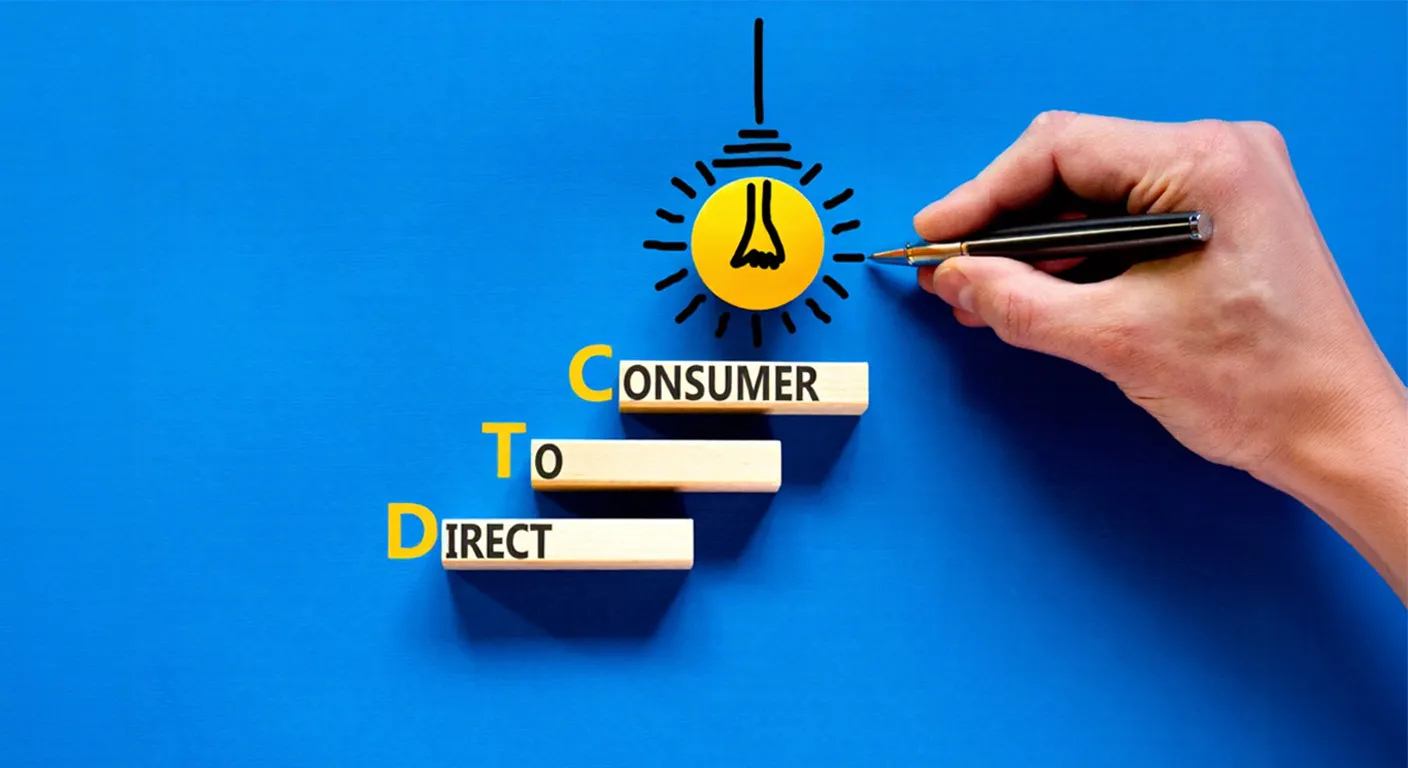
For DTC brands, fulfillment is more than storing products and shipping orders. It is an important part of the customer experience. Fast delivery, accurate orders, branded packaging, and reliable inventory management can all affect customer satisfaction. The right fulfillment solutions can help DTC brands reduce operational pressure, improve efficiency, and scale their ecommerce businesses. In 2026, choosing a fulfillment partner is becoming an important decision for growing online sellers.
DTC brands, or direct-to-consumer brands, sell products directly to customers without relying mainly on traditional retailers or distributors. Many DTC brands operate through their own websites, Shopify stores, social commerce channels, or online marketplaces.
This business model gives brands more control over pricing, customer relationships, product presentation, and marketing. However, it also means that brands need to manage more parts of the customer journey.
These responsibilities can include:
As order volume grows, managing these tasks internally can become difficult. This is where professional fulfillment solutions can make a major difference.

For growing DTC brands, fulfillment can quickly become one of the most complicated parts of ecommerce operations.
A brand may start by keeping products at home or in a small warehouse. Orders can be packed manually and shipped individually. This approach may work with a small number of orders.
However, the process becomes harder when daily orders increase.
DTC brands may need to manage hundreds or thousands of products while keeping inventory accurate. They also need to process orders quickly and maintain consistent packaging.
Modern fulfillment solutions can help solve these challenges by creating a more organized logistics process. A fulfillment partner can handle storage, inventory, picking, packing, and shipping while the brand focuses on marketing and growth.
Not every fulfillment provider is suitable for every business. DTC brands should evaluate several factors before choosing a partner.
Order volume is one of the first things to consider.
A small DTC brand may only receive a few dozen orders each day. A growing brand may process hundreds or thousands of orders.
The fulfillment partner should be able to support your current volume and future growth.
Ask potential providers:
A good fulfillment solution should not become a bottleneck when sales increase.
DTC brands often have different product requirements.
Some businesses sell simple single-SKU products. Others sell bundles, product kits, accessories, or customized products.
Flexible fulfillment solutions should support different fulfillment workflows.
For example, a brand may need a package containing:
The fulfillment partner should be able to create and follow these packing requirements consistently.
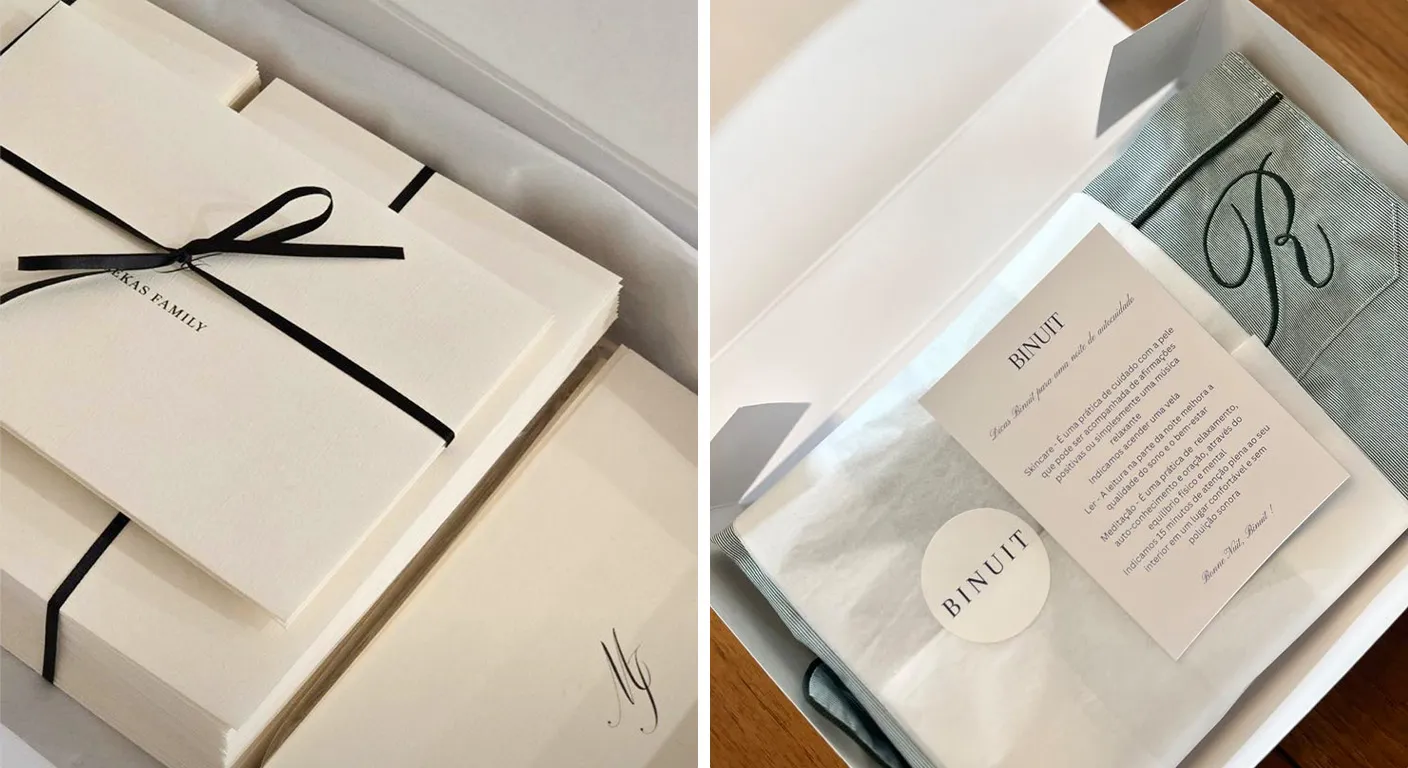
Packaging is especially important for DTC brands because the package is often the first physical interaction between the customer and the brand.
Standard packaging may be enough for some products. However, branded packaging can create a more memorable unboxing experience.
Depending on the brand’s needs, fulfillment services may include:
For example, a brand may want to replace standard packaging with customized packaging. It may also want a thank-you card included in every order.
These small details can make fulfillment part of the overall brand experience.
For DTC brands, the customer experience does not end when a customer clicks the “Buy” button.
The customer also expects the product to arrive on time and in good condition.
Order processing directly affects delivery speed.
A professional fulfillment process can organize orders, picking, packing, and shipping into a standardized workflow.
This can help reduce:
Accuracy is particularly important for DTC brands because one fulfillment mistake can create additional customer service work.
Unboxing has become an important part of ecommerce branding.
DTC brands can use fulfillment solutions to create consistent packaging for every order.
For example, a customer could receive a product with a branded package, transfer sticker, thank-you card, and carefully arranged accessories.
This creates a more consistent brand experience.
Customers increasingly expect clear shipping information and reliable delivery.
A fulfillment partner should have an organized shipping process and provide tracking information when available.
For DTC brands, reliable delivery can help build trust and encourage repeat purchases.
Inventory problems can create serious challenges for growing DTC brands.
If inventory data is inaccurate, a brand may continue selling products that are already out of stock. On the other hand, excessive inventory can tie up cash and increase storage costs.
Professional fulfillment solutions can provide structured inventory management.
Important functions may include:
DTC brands should look for a fulfillment partner that can provide clear visibility into inventory levels.
This becomes even more important when a brand has multiple products or sales channels.
Technology is another important part of modern fulfillment solutions.
DTC brands may use ecommerce platforms, ERP systems, order management systems, and other software. If these systems do not communicate properly, employees may need to enter information manually.
This can create unnecessary work and increase the risk of errors.

A good fulfillment partner should be able to integrate with the systems used by your business.
Depending on the business model, this may include:
When systems are properly connected, orders can be transferred to the fulfillment operation more efficiently.
Inventory information can also be synchronized with the ecommerce business.
For DTC brands, system integration can reduce manual work and make the entire fulfillment process easier to manage.
Many DTC brands sell more than individual products.
They may offer starter kits, gift sets, product bundles, or promotional packages.
This creates additional fulfillment requirements.
Kitting is the process of combining multiple individual products into one ready-to-ship package or SKU.
For example, a skincare brand could create a bundle containing a cleanser, moisturizer, and facial mask.
A fulfillment provider can prepare these products together so that the bundle can be processed efficiently when an order is received.
Bundling can help DTC brands create new product offers without changing their entire product line.
It can also make fulfillment more organized when the same combination is frequently sold.
The right fulfillment solutions should support different kitting and bundling requirements.
Cost is an important consideration, but DTC brands should not choose a fulfillment provider based only on the lowest price.
A cheaper service may not always provide the flexibility or reliability required by a growing brand.
Instead, consider the total value of the fulfillment solutions.
Look at factors such as:
A slightly higher fulfillment cost may be worthwhile if it reduces errors, saves internal labor, improves customer experience, and supports growth.
Not every DTC brand needs a fulfillment partner immediately.
Early-stage businesses may be able to handle fulfillment internally. However, outsourcing becomes more attractive as order volume and operational complexity increase.
DTC brands should consider outsourcing when:
At this stage, professional fulfillment solutions can help the business build a more scalable operation.
For DTC brands looking for flexible fulfillment solutions, UploadToSell provides logistics support designed around different ecommerce needs.
Instead of offering only basic storage and shipping, UploadToSell can support customized fulfillment workflows for online sellers.
Services can include customized fulfillment requirements such as transfer stickers, thank-you cards, and customized packaging. Sellers can also arrange kitting and bundling based on their product combinations.
UploadToSell can also support:
These services allow DTC brands to create a fulfillment process that matches their products and brand requirements.
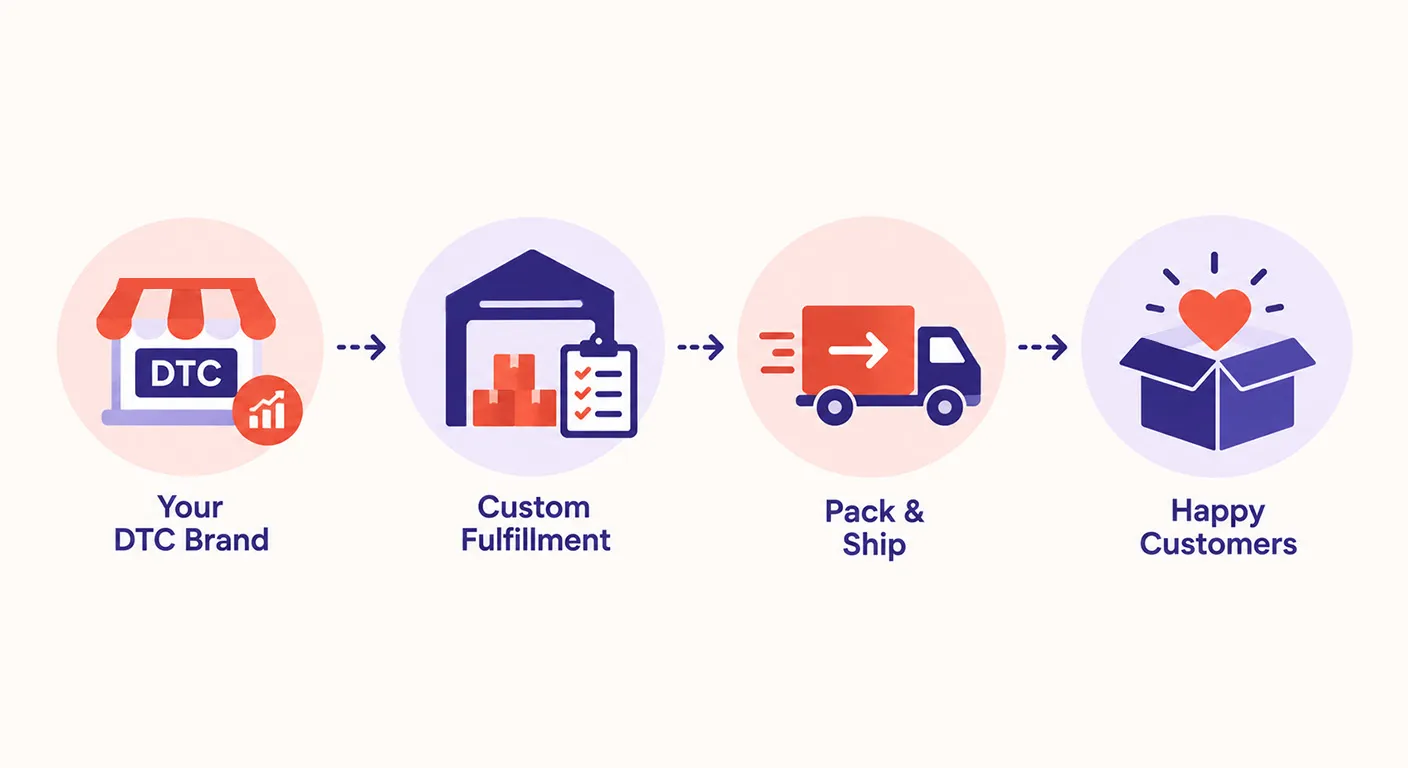
For DTC brands, fulfillment is not simply about moving products from a warehouse to a customer’s door. It affects inventory accuracy, delivery speed, packaging, customer experience, and long-term business growth.
The right fulfillment solutions should be flexible, scalable, and connected to your ecommerce operations.
When choosing a fulfillment partner, consider more than price. Look at customization, inventory management, order processing, kitting, packaging, system integration, and future scalability.
For DTC brands that need more than standard fulfillment, UploadToSell can provide customized logistics services to support different ecommerce operations. From warehousing and inventory management to order processing, system integration, kitting, branded packaging, transfer stickers, and thank-you cards, the goal is to make fulfillment easier while giving sellers more flexibility to grow their brands.