Phone:
+85295718875
Email:
support@just-wonders.com
Phone:
+85295718875
Email:
support@just-wonders.com

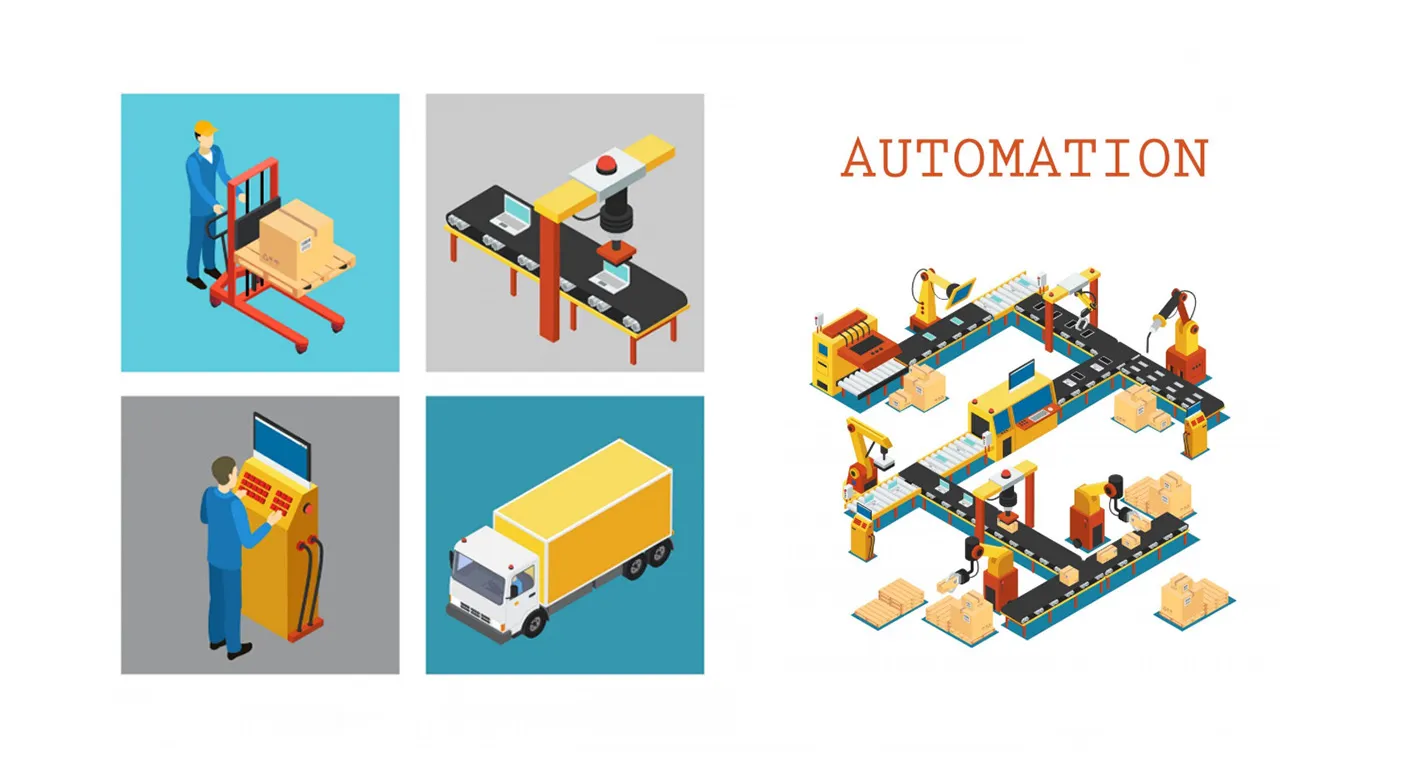
Ecommerce automation has become essential for dropshippers who want to grow without burning out. Manual tasks eat hours every day. Product research, order processing, customer questions, and tracking updates pile up fast. When you add product seasonal trends into the mix, the workload multiplies. Sellers who still handle everything by hand struggle to keep up. Those who use the right systems free up time and scale faster.
In this guide, you will learn how ecommerce automation works in a real dropshipping business. We will cover product research, handling product seasonal trends, order fulfillment, customer support, and branding. You will also see why choosing the best dropshipping product research tool and a complete automation partner makes a measurable difference. The goal is simple: help you work less on repetitive tasks and focus more on growth.
Dropshipping looks simple on paper. You find a product, list it, and let a supplier ship it. In practice, the daily work adds up. Checking stock, copying order details, answering the same pre-sale questions, updating tracking numbers, and watching for new product seasonal trends all take time.
Ecommerce automation removes most of that friction. Orders flow automatically to suppliers. Tracking numbers sync to your store and customers. Customer service tools handle common questions. Research platforms surface winning products and product seasonal trends without endless manual searching.
The result is clear. You save hours every week. You make fewer mistakes. You can handle more orders without hiring a large team. Scaling becomes realistic instead of overwhelming.
Product seasonal trends drive a large share of online sales. Demand rises and falls with holidays, weather, school calendars, and cultural moments. Ignoring these patterns leaves money on the table. Reacting too late means you miss the peak.
Common product seasonal trends include:
Successful sellers plan weeks or months ahead. They research upcoming product seasonal trends, source reliable inventory options, prepare creative assets, and set up ads before demand spikes. Ecommerce automation makes this process far easier. Instead of guessing or checking dozens of sites every day, you use data-driven tools that highlight rising demand early.
Finding winners used to mean scrolling AliExpress for hours or copying competitors manually. Today the best dropshipping product research tool does the heavy lifting. These platforms analyze ad data, search volume, competitor stores, social signals, and sales velocity. They surface products that are already gaining traction and flag those that match current product seasonal trends.
A strong research tool typically offers:
When you combine a reliable research tool with ecommerce automation, the workflow becomes smooth. You identify a promising product linked to upcoming product seasonal trends. You validate demand and margins. Then you push the product into your store with automated listing tools. From there, order routing, tracking, and support can run with minimal daily input.
Many sellers still rely only on free Google Trends data or random TikTok videos. That approach is slow and incomplete. Investing in (or partnering with a platform that includes) the best dropshipping product research tool gives you a clear edge. You spend less time searching and more time testing and scaling winners.

Here are the main parts of a dropshipping operation that benefit most from automation.
Manual research is time-consuming. Automation surfaces candidates based on real data, including product seasonal trends. You review a shortlist instead of starting from zero every week.
High-quality product photos and descriptions can be generated or prepared in advance so new items go live faster.
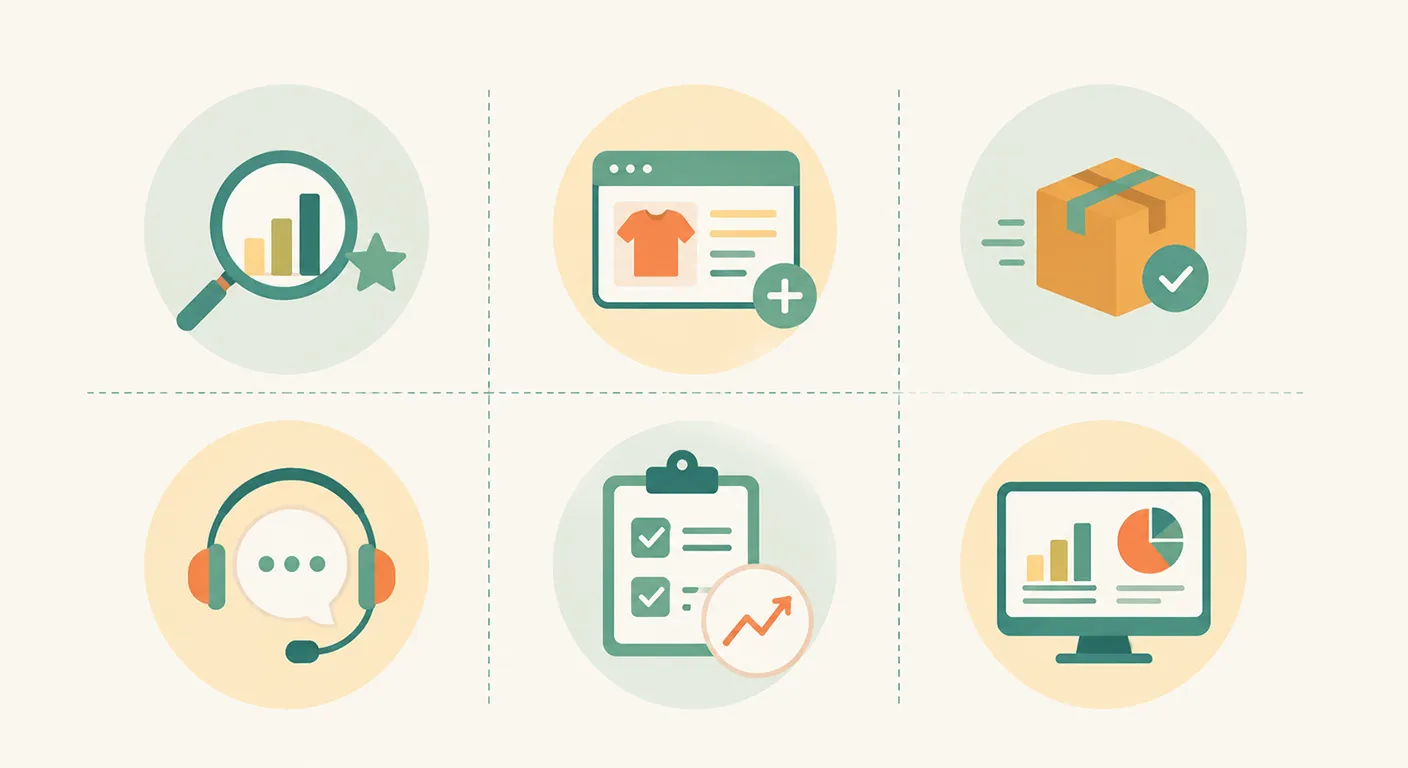
When a customer pays, the order details should move automatically to the supplier or fulfillment partner. Tracking numbers should update without you copying and pasting. This single change often saves the most hours as order volume grows.
Pre-sale questions, order status updates, and basic after-sales issues can be handled by templates, chatbots, or a dedicated virtual team. Automation ensures customers get fast answers even when you are offline.
Tools can monitor supplier stock levels and alert you to issues. Dynamic pricing features help you stay competitive during strong product seasonal trends without constant manual checks.
Clear dashboards that show costs, revenue, and profit by product or campaign remove the need for messy spreadsheets. Better data leads to smarter decisions.
Scaling is not just about more traffic. It is about handling more volume without a matching increase in your personal workload. Ecommerce automation creates that leverage.
Start with a solid foundation:
Once the core systems run smoothly, growth becomes more predictable. You can increase ad spend during peak product seasonal trends knowing the backend can handle the extra orders. You can test multiple products at once because research and listing are no longer bottlenecks.
Many sellers hit a ceiling around a few dozen daily orders when everything is manual. With proper ecommerce automation, the same person (or small team) can manage several times that volume.

Even good tools fail if used poorly. Avoid these frequent errors:
The solution is a more integrated approach. Look for platforms that combine research insights, product content creation, fulfillment, and support under one roof. This reduces switching between apps and keeps the entire process aligned.
You do not need to automate everything at once. Follow a clear sequence:
Consistency matters more than perfection. Small improvements compound quickly.
Standalone tools are useful, but they still leave gaps. You may find a product with the best dropshipping product research tool, yet still struggle with reliable suppliers, quality photos, custom branding, or 24/7 support. A full-service partner closes those gaps.
UploadToSell is built for this exact purpose. The platform helps you choose winner products, handles purchasing from trusted manufacturers, creates professional product photos and videos, offers branding and eco-friendly packaging options, provides Shop VA support for customer questions, and manages accounting clarity. The goal is to let you focus on marketing and growth while the operational side runs smoothly.
When product seasonal trends shift, you can move faster because sourcing, content, and fulfillment are already connected. Automation is not just software—it is a system that removes friction at every stage.
Ecommerce automation is no longer optional for serious dropshippers. It saves time on repetitive work, reduces costly errors, and creates the capacity to scale. Understanding and acting on product seasonal trends becomes much easier when the right research and operational systems are in place. Pairing those insights with the best dropshipping product research tool (or a partner that includes strong research capabilities) gives you a real competitive advantage.
The sellers who grow steadily in 2026 and beyond are the ones who stop doing everything manually. They build or join systems that handle the heavy lifting. If you are ready to reduce daily busywork and focus on what actually drives sales, explore how a complete solution can support your store.
Visit UploadToSell to see how an integrated approach to product selection, content, fulfillment, and support can help you automate more of your dropshipping business and scale with less stress.