Phone:
+85295718875
Email:
support@just-wonders.com

Phone:
+85295718875
Email:
support@just-wonders.com
Does the minimum order quantity apply per order, color or size? Compare variant rules, pack multiples and cash commitments before approving a supplier quote.
“300 pieces” can mean 300 for the whole order, 300 of each color, or 300 of every color-and-size combination. Your supplier's minimum order quantity applies to whichever grouping the quote specifies. If that grouping is missing, you do not yet have enough information to approve the purchase. Ask for the rule against your actual variant list before comparing prices.
That distinction matters when you are testing an assortment. Three colors can turn an apparently affordable trial into a much larger commitment, especially if custom fabric, printing, or packaging has its own threshold. A lower unit price does not help if it requires stock your customers are unlikely to buy.
Here is how to turn a short supplier quote into a purchase you can actually evaluate: identify the grouping, calculate the resulting units, and compare the cash commitment with a smaller alternative. The examples use hypothetical prices and quantities, not a UTS offer.
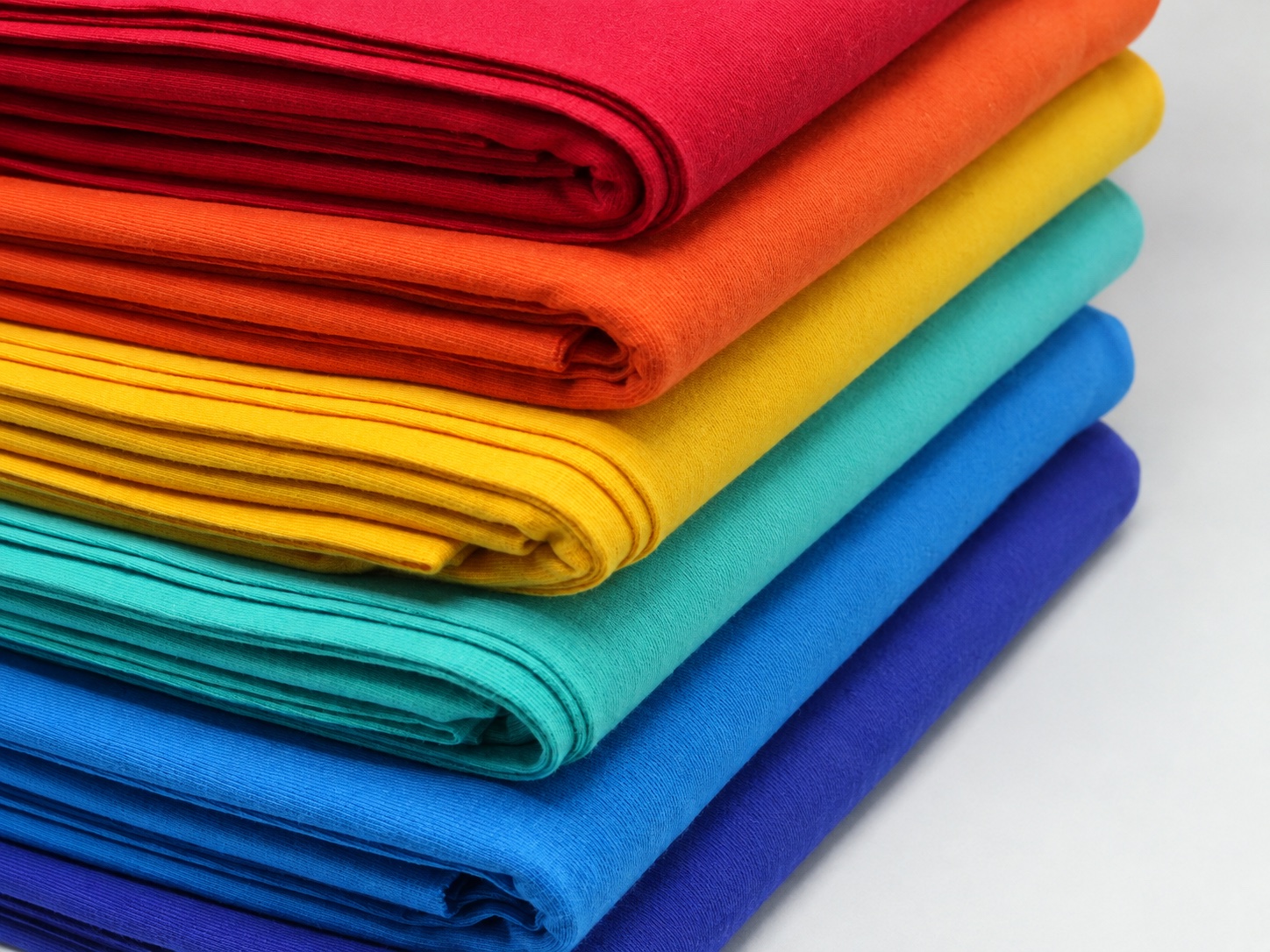
A minimum order quantity, usually shortened to MOQ, is the smallest quantity a supplier will accept under the agreed terms. The important question is not just “How many?” It is “How many of what?” A product style, a color, a finished size, a material batch, and a complete order are different groupings.
Shopify's explanation of MOQ rules distinguishes simple order thresholds from more complex requirements, including pack multiples and minimums for each color or size. That is why you should not assume a mixed color order is allowed simply because the listing shows several colors beside one number.
Suppose you want one pouch design in three colors. The headline says 300 units. If mixing is permitted across the order, you might buy 100 of each. If the MOQ per color is 300, the same assortment requires 900. Add three sizes and a 300-unit minimum for every color-size combination, and the total becomes 2,700.
| Quoted grouping | Assortment in this example | Smallest total |
|---|---|---|
| Whole order, mixing allowed | Three colors | 300 units |
| Each color | Three colors | 900 units |
| Each color and size | Three colors, three sizes | 2,700 units |
These are alternative rules, not numbers to add together. Real quotes can combine several constraints, so ask whether the total threshold and individual variant thresholds must both be met. Also distinguish a unit requirement from a minimum order value: spending a certain amount does not automatically satisfy a separate per-color rule.
Do the calculation with the mix you want to sell, not an equal split chosen to make the arithmetic tidy. Imagine your planned trial is 180 navy, 90 green, and 30 orange pouches. That is 300 units, but it fails a 100-unit MOQ per color for both green and orange.
Keeping all three colors under that rule raises the order to at least 380 units: 180 navy, 100 green, and 100 orange. You would be buying 80 units beyond the original plan, including 70 additional orange units. The total increase matters, but the concentration in your least-tested color is the more useful business question.
Pack multiples can raise the minimum order quantity further. If a different quote requires at least 300 per color in packs of 24, the smallest valid quantity per color is 312, because 12 packs contain only 288. Three colors would require 936 units. Confirm whether packs can mix colors; do not apply this calculation if the supplier permits a mixed pack that changes the rule.
Ask for the proposed quantities to be accepted line by line. Your record should identify the style, color code, size if relevant, units, pack multiple, and price. “Assorted colors” leaves the seller choosing the assortment. A mixed color order should state which colors you will receive and how many of each, unless you deliberately accept a supplier-selected mix.
This purchasing calculation is separate from your reorder point. A replenishment trigger tells you when to investigate another purchase. It does not prove that the supplier's smallest acceptable batch is the right quantity to buy.
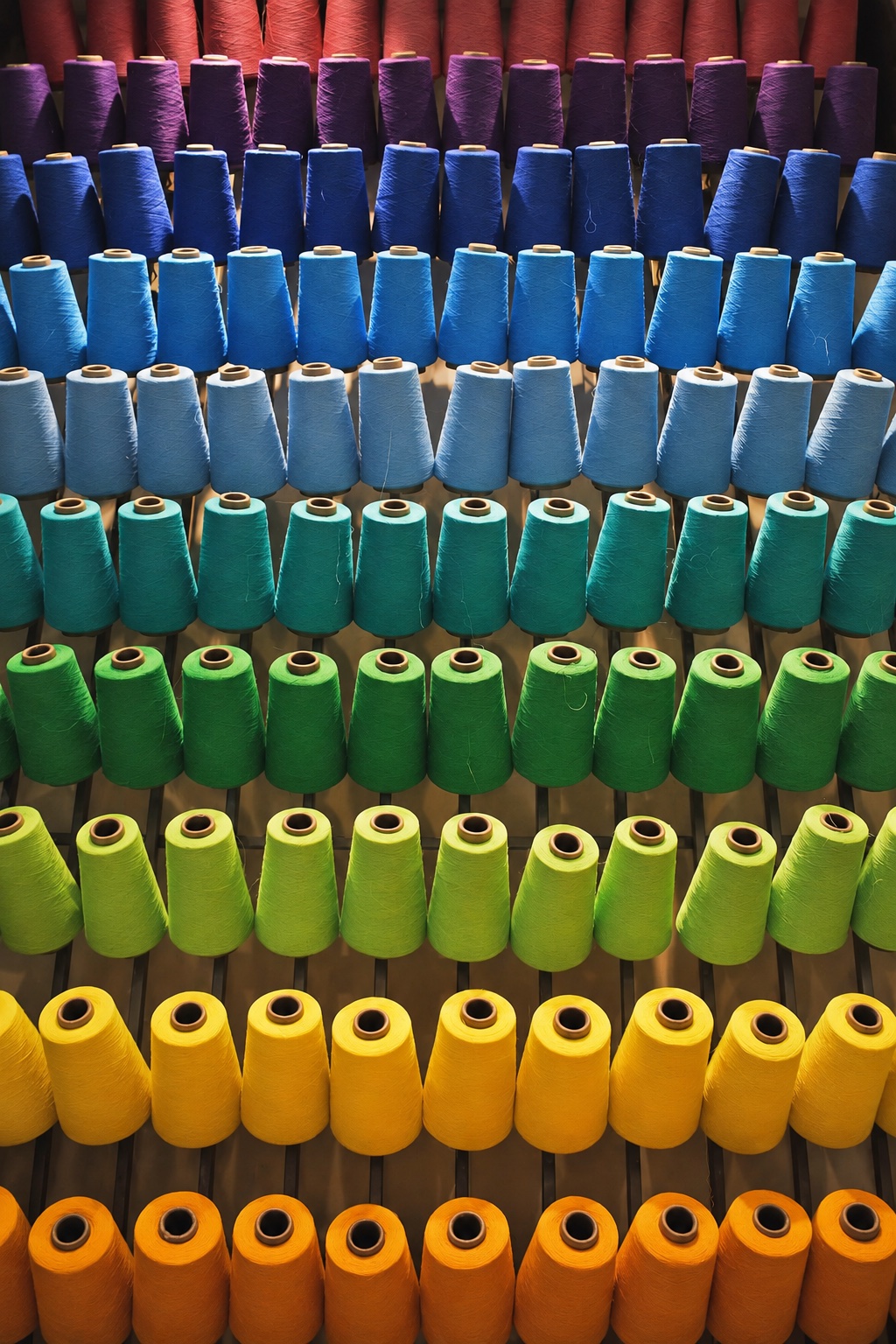
Two visually similar products may have different order constraints. One might use material already held by the supplier; the other may need a new color batch or a separate printed component. Shopify identifies production setup and upstream material minimums among the reasons suppliers set thresholds. Ask which constraint applies to your product instead of treating every number as a negotiating tactic.
For a sewn pouch, separate the base fabric, thread, zipper, decoration, and finished construction in the specification. You are not asking the supplier to disclose confidential costs. You are trying to learn whether a stock color, a standard zipper, or a simpler decoration changes the minimum order quantity without undermining the product you intend to sell.
There may also be separate minimums for the product and its packaging. Approval of 300 pouches does not establish that 300 custom printed sleeves are available on the same terms. If sleeves must be purchased in a larger batch, establish who owns the remainder, where it is stored, whether storage costs apply, and whether it can be used on a later order.
Do not combine different materials just because the photographs look alike. A substitute can change feel, dimensions, construction, or care requirements. Ask for an updated sample and specification before agreeing to a change. Material availability is a useful counteroffer only when the resulting product still meets your listing and quality expectations.
If you use UTS purchasing support, send the exact specification and desired variant quantities with your inquiry. Ask for sourcing options against that request. The service page describes product sourcing and supplier negotiation; it does not establish a universal MOQ or promise that every custom order can be reduced.
Consider two hypothetical offers for the same agreed pouch specification. Offer A is $2.40 per unit with 300 units per color. Three colors cost 900 × $2.40 = $2,160 in goods. Offer B is $2.85 per unit for a 300-unit mixed color order. Its goods total is $855. The higher-priced unit requires $1,305 less initial product spending.
That does not automatically make B more profitable. It means B buys a smaller commitment. You still need comparable quality, confirmed color quantities, sample costs, setup charges, supplier-to-warehouse transport, and any packaging or inspection costs. Keep customer-parcel shipping separate unless the quote explicitly includes it. A goods subtotal is not a complete delivered cost or a profit calculation.
Look at the slowest color next. Suppose you estimate ten orange sales per week. Buying 300 orange pouches represents 30 weeks of demand under that assumption; buying 100 represents ten weeks. Neither is a sales forecast you can rely on without evidence. Use it to see how sensitive the purchase is to weak demand, then test a slower scenario as well.
If actual demand turns out to be five per week, those periods become 60 and 20 weeks. Storage, cash tied up, markdown risk, and a possible design change can outweigh a small unit discount. For a seasonal item, also consider the useful selling window. Do not assume a late purchase will arrive in time for a campaign without a confirmed production and shipping plan.
The right minimum order quantity is therefore not a target to reach at any cost. It is a constraint to compare with your budget and demand evidence. Fewer colors, a stock version, or a smaller batch at a higher price can be sensible options. If none works, declining the quote is a valid purchasing decision.

Make a specific counteroffer rather than asking only for a “better MOQ.” You could request one stock color for the first order, the original three-color mix at a revised unit price, or standard packaging while keeping the approved product construction. Ask the supplier to quote each feasible option separately so you can compare the actual tradeoffs.
A sample order and a production order answer different questions. A sample can help you assess dimensions, stitching, fabric, and finish; its availability does not guarantee the same price or minimum for a repeatable production batch. Confirm that the accepted sample corresponds to the version in the production quote, including any changes made to reduce the order size.
Be careful with staged delivery. Agreeing to buy 900 units and receive 300 at a time may reduce immediate storage pressure, but it does not necessarily reduce your purchase obligation. Confirm payment dates, ownership, cancellation terms, storage, and release dates. Splitting delivery is not the same as negotiating a lower minimum order quantity.
Likewise, do not promise a large repeat order merely to obtain a small first run. Ask whether the first-order terms stand on their own or depend on a future commitment. If a discount requires a binding volume agreement, evaluate the entire obligation rather than presenting the first shipment as a low-risk test.
A useful request contains your actual mix and asks for an explicit answer. For the hypothetical pouch order, you could write:
Please confirm whether your 300-unit minimum applies to the whole order, each color, or each color-size combination. We want 180 navy, 90 green, and 30 orange in one size, using the attached specification. Is this mix accepted? If not, please show the smallest permitted quantity for each line, any pack multiples, and the revised unit price. Please list product, decoration, and packaging minimums separately, with setup charges and the planned production time.
Compare the reply with the formal supplier quote before paying. If the message accepts your mix but the order document says 300 per color, resolve the contradiction. A photo of several colors, a sample invoice, or a reassuring “yes, available” is not a substitute for agreed quantities.
Once the minimum order quantity is clear, you can choose between the real alternatives: buy the accepted mix, narrow the assortment, pay more per unit for a smaller commitment, or walk away. The useful number is not the headline minimum. It is the quantity of each product you are actually agreeing to own.