Phone:
+85295718875
Email:
support@just-wonders.com

Phone:
+85295718875
Email:
support@just-wonders.com
Online shoppers make purchase decisions in seconds. Your product images are often the only thing standing between a scroll and a sale. In 2026, the e-commerce landscape is more competitive than ever. Sellers need more than just good photos. They need a complete visual strategy that turns browsers into buyers.
This guide covers everything you need to know about trending product photography. We will look at the hottest products of 2026. Then we will break down the exact techniques you need to photograph them. By the end, you will know how to go from an unboxed item to a live listing that converts.
Before you pick up a camera, you need to know what to shoot. The right winning product can make or break your store. Here are the categories driving the most sales this year.
The global wellness market is valued at around $6.8 trillion. Consumers are investing in products that improve their daily routines. LED therapy face masks are trending on short-form video platforms. Sleep earbuds and heated eye massagers are solving real problems for tired professionals. Electric scalp massagers and red light therapy devices are gaining traction fast.
These products share one trait. They all show visible results. That makes them perfect for visual marketing.
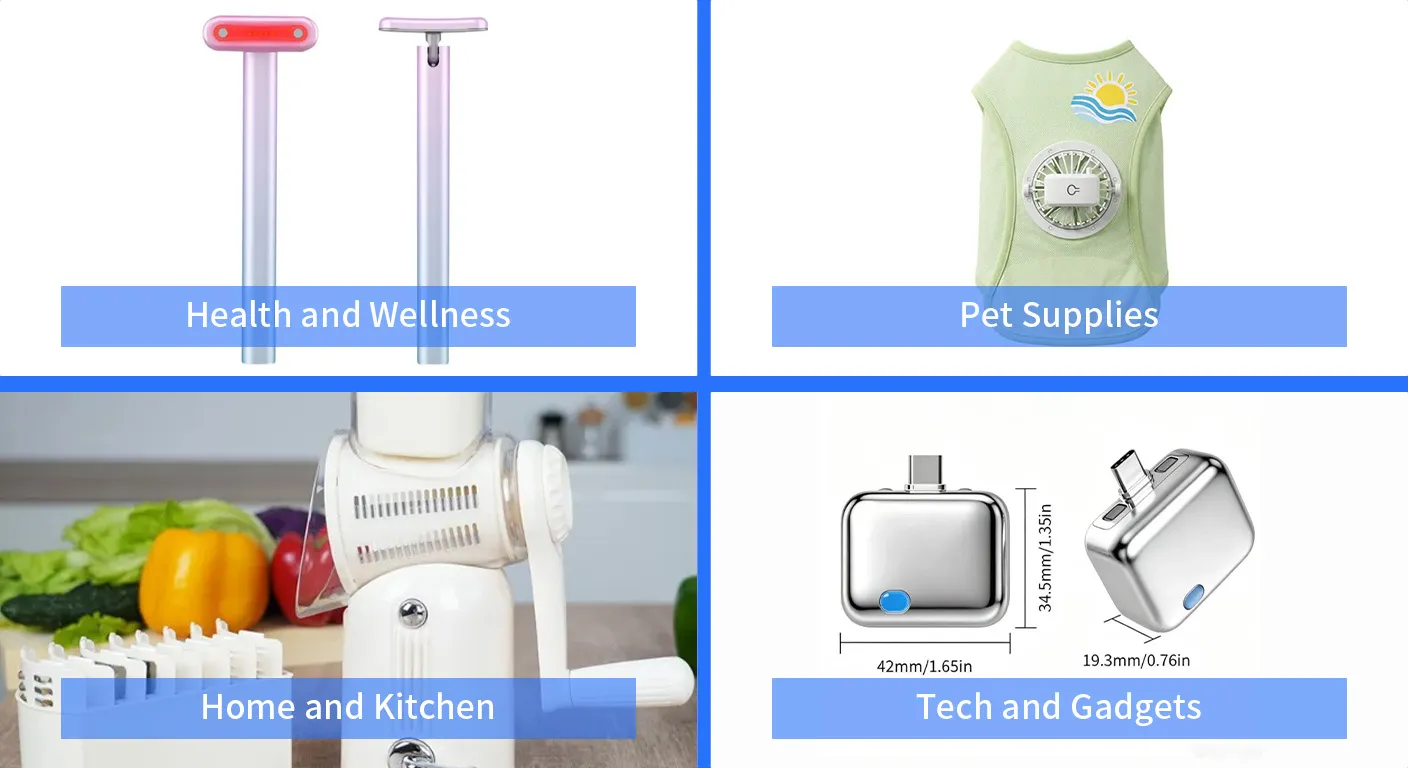
Pet owners spent over $158 billion in 2025. The numbers keep climbing. Smart pet feeders, GPS dog trackers, and self-cleaning litter boxes are hot items. Grooming vacuum kits and orthopedic pet beds are also performing well.
The emotional connection between owners and pets is powerful. Your photos need to capture that bond.
People are spending more time at home. They want tools that make life easier. Electric pepper grinders, mini food choppers, and smart plant pots are trending. Adjustable laptop desks and sink organizer racks are also popular.
These products need context. Buyers want to see them in action.
Tech accounts for roughly 34% of top-performing dropshipping niches. Wireless charging pads, smart posture correctors, and magnetic phone mounts are flying off virtual shelves. Mini projectors and GaN fast chargers are also in demand.
These items often have small details that matter. Close-up shots are essential.
Now that you know what to sell, let us talk about how to shoot it. Here are the techniques that are working in 2026.
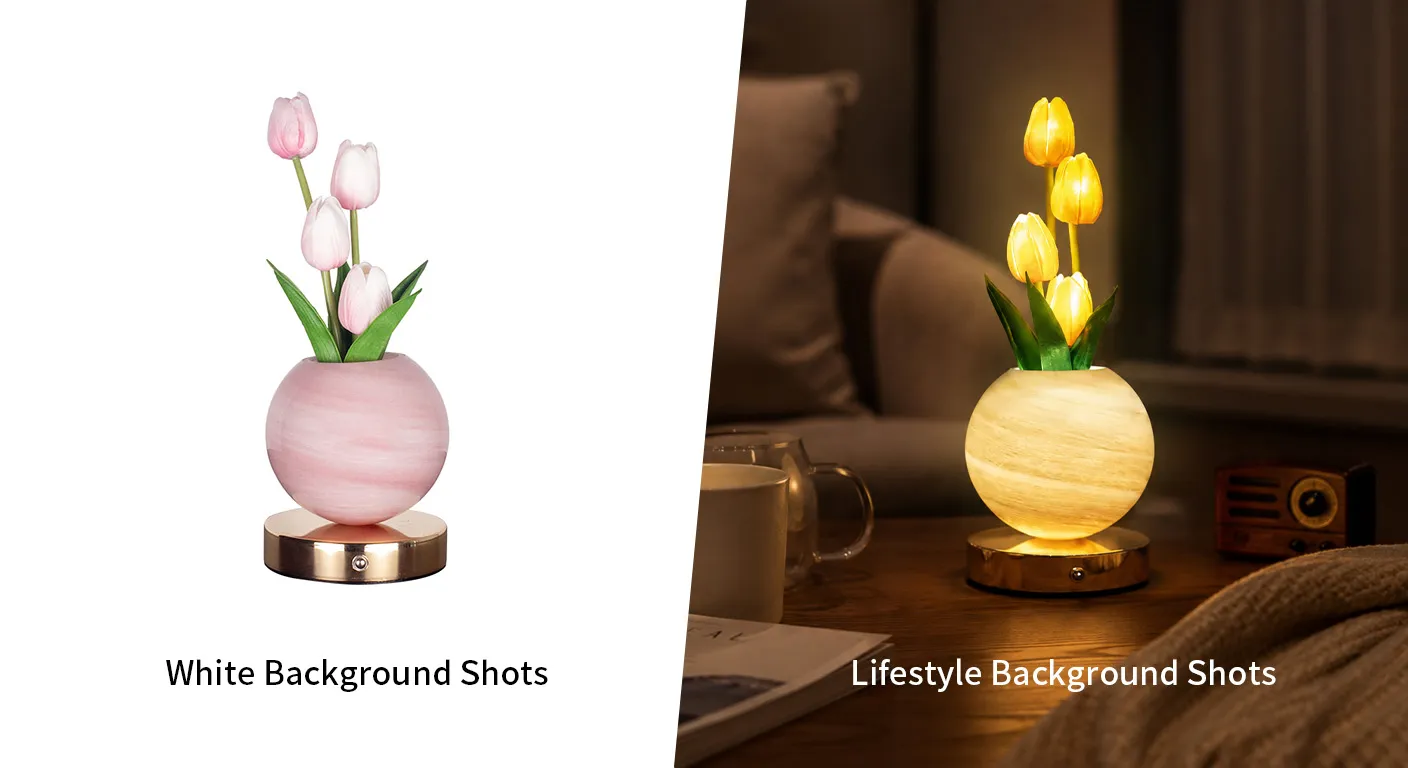
Every winning product needs a hero image. This is your main listing photo. It should feature a clean white or neutral background. No distractions. No clutter. Just the product.
White background shots are the industry standard for Amazon, eBay, and most e-commerce platforms. They give shoppers an unobstructed view of what they are buying. Use soft, even lighting to eliminate harsh shadows. A lightbox or softbox setup works well for small items.
For larger products, consider a sweep backdrop. This creates a seamless transition from horizontal to vertical surfaces. The result looks professional and clean.
White background shots show the product. Lifestyle shots sell the dream. Place your item in a real-world setting. A coffee maker on a kitchen counter. A pet bed next to a sunny window. A fitness tracker on a wrist during a morning run.
Lifestyle photography helps customers visualize the product in their own lives. It builds an emotional connection. Studies show that over 75% of online shoppers say product shots influence their purchasing choices.
When shooting lifestyle images, use natural light whenever possible. It creates a warm, authentic feel. Choose models and settings that reflect your target audience. Keep the scene tidy but realistic. A slightly cluttered kitchen can feel more genuine than a sterile studio.
Some products demand close attention. Jewelry, watches, skincare items, and tech gadgets all have fine details that justify their price. Macro photography brings these details to life.
Use a macro lens or the macro mode on your camera. Employ soft, diffused lighting to reveal textures without harsh shadows. Focus stacking can help. This technique combines multiple images at different focus points. The result is razor-sharp detail from front to back.
For a skincare cream, show the rich texture. For a watch, highlight the intricate dial. For a phone case, capture the precise cutouts. These details build trust. They show quality.
Interactive 360-degree photography is becoming an industry standard. It lets shoppers spin a product and examine it from every angle. This reduces uncertainty. It also reduces return rates.
To create a 360-degree view, place your product on a motorized turntable. Shoot images at consistent intervals as the turntable rotates. Use software to stitch the images together into an interactive viewer.
This technique works especially well for shoes, bags, electronics, and any item where shape and proportions matter. The investment in time pays off in higher engagement and fewer returns.
Cinemagraphs blend still photography with subtle, looping motion. Think of steam rising from a coffee mug. Or water droplets sliding down a skincare bottle. These images catch the eye without overwhelming the viewer.
To create a cinemagraph, shoot a short video on a tripod. Use editing software to freeze most of the frame while isolating the moving element. Export as a GIF or MP4 for web and social media.
Cinemagraphs are perfect for paid social campaigns. They stop the scroll. They increase dwell time. Beauty, fragrance, and food brands are using them with great success.
Artificial intelligence is transforming product photography in 2026. AI tools can automate background removal, color correction, and lighting adjustments. They can also generate realistic lifestyle scenes without building physical sets.
This technology saves time and money. It allows small sellers to produce professional-quality images without a full studio. However, use AI wisely. The product must remain the hero. Avoid over-stylized scenes that misrepresent the item.
AI is strongest when it extends accurate references into more contexts. Start with a truthful product photo. Then use AI to create variations for different channels.
Over 70% of e-commerce traffic now comes from mobile devices. Your product photos must look great on small screens. This means high contrast, clear focal points, and minimal clutter.
Test your images on a phone before uploading. Can you understand the product in two seconds? If not, simplify the composition. Use larger text for any overlays. Ensure the product fills most of the frame.
Mobile optimization also means fast loading times. Compress your images without sacrificing quality. Tools like TinyPNG or Squoosh can help.
Now let us put it all together. Here is a step-by-step workflow to take your winning product from unboxed to live.
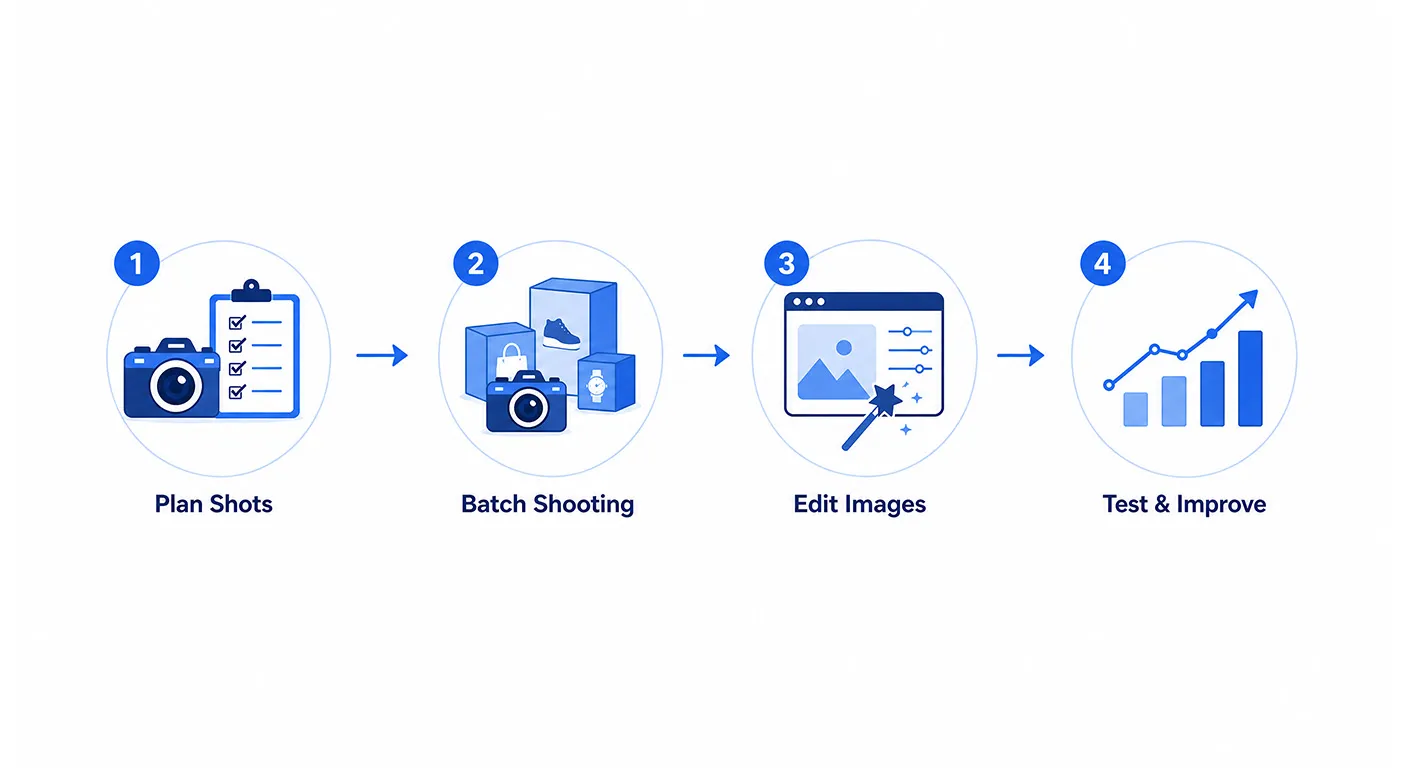
Before you touch the camera, list every image you need. A typical product listing should include:
Planning saves time. It ensures you do not miss critical angles.
You do not need a professional studio to start. A good smartphone camera, a lightbox, and a tripod can produce excellent results. For more advanced work, invest in a DSLR or mirrorless camera. Add a macro lens for detail shots.
Lighting is the most important factor. Natural light is free and effective. For consistent results, use LED panels with adjustable color temperature.
Efficiency matters when you are managing multiple products. Set up your station once. Then shoot several items in a single session. This reduces setup time and ensures consistent lighting across your catalog.
Use a shot list to stay organized. Check off each angle as you capture it.
Consistency builds brand trust. Your entire catalog should have a unified look. Use the same background style, lighting temperature, and editing presets across all products.
Basic edits include exposure adjustment, white balance correction, and sharpening. Remove dust and minor imperfections. But keep the product authentic. Over-editing can lead to disappointed customers and returns.
Resize your images for each platform. Amazon recommends 2000 x 2000 pixels. Shopify suggests 2048 x 2048 pixels. Social media platforms have their own ideal dimensions.
Name your files with descriptive, SEO-friendly names. Instead of “IMG_001.jpg,” use “led-therapy-face-mask-white-background.jpg.” Add alt text that describes the product and its features.
Upload your images in the correct order. Lead with the hero shot. Follow with lifestyle and detail images. End with any interactive or video content.
Once your listing is live, monitor performance. Check click-through rates and conversion data. If a product is getting views but not sales, the images may need work. Test different hero shots. Try new lifestyle angles. Small changes can lead to big improvements.
After finding potential winning products with reliable product research tools for dropshipping, the next step is creating professional product visuals that attract customers. In 2026, ecommerce brands are paying more attention to advanced product photography strategies because high-quality images directly influence customer trust and purchase decisions.
One important trend is AI product photography, which helps sellers create professional product images faster and more efficiently. AI-powered solutions can improve backgrounds, generate lifestyle scenes, and optimize product presentation while reducing the time needed for traditional photography preparation.
Another growing trend is the use of lifestyle product images. Instead of showing products on a simple background, ecommerce brands are using realistic scenes to help customers imagine how products fit into their daily lives. Lifestyle images can increase engagement and make products more attractive on Shopify stores, social media platforms, and online marketplaces.
In addition, 360 degree product photos are becoming more popular for ecommerce businesses. These interactive images allow customers to view products from multiple angles, understand product details better, and make purchasing decisions with more confidence.
With the rapid growth of mobile shopping, mobile shopping image optimization is also becoming essential. Product images should load quickly, display clearly on smaller screens, and highlight important product features immediately. Optimized images can improve user experience and support higher conversion rates.
For Shopify sellers, following the latest Shopify product photography tips can help improve store performance. These tips include using consistent image styles, showing multiple product views, adding detail shots, and creating branded visuals that match the store identity.
At UploadToSell, we understand that finding winning products is only the first step. Our ecommerce solutions help sellers go further by providing professional product sourcing, product photography, custom packaging, logo design, warehousing, and fulfillment services to build stronger and more competitive online brands.
The right product photography style depends on your product, target customer, and brand identity. Not every product needs the same type of photography.
White Background Photography works well for product pages and marketplaces. It keeps the product clear and easy to understand.
Lifestyle Photography shows how a product looks in a real environment. It works well for social media, ads, and brand storytelling.
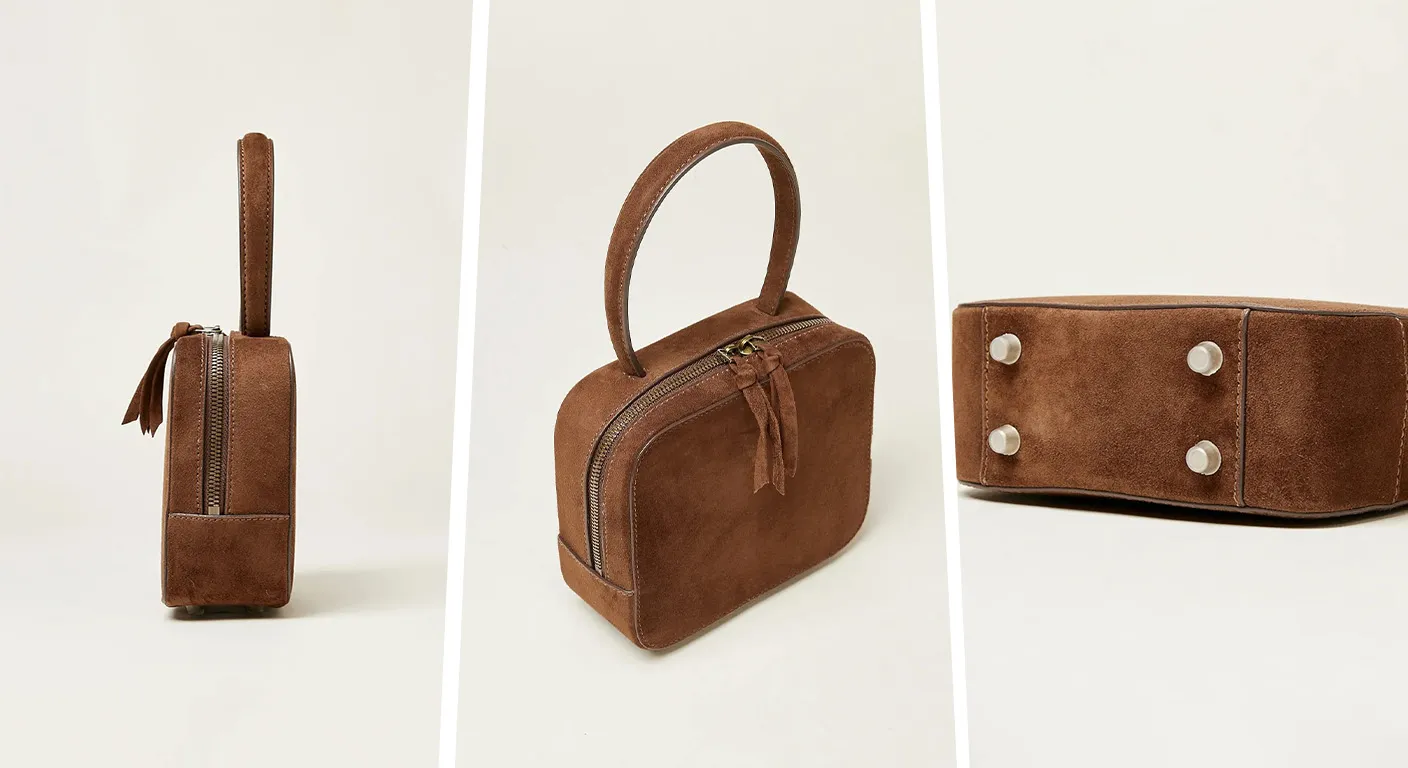
Detail Photography focuses on materials, textures, buttons, stitching, packaging, or other important features.
Model Photography is useful for clothing, accessories, beauty products, and other products where size, fit, or usage matters.
Creative Photography uses props, special backgrounds, or seasonal scenes to create stronger visual content for campaigns.
A strong ecommerce brand can combine several styles instead of relying on only one type of product image.
There is no fixed number of product photos that works for every product. However, a complete product image set should answer the main questions customers may have before purchasing.
A basic set can include:
For products with special features, add close-up images that explain those details.
The goal is not to add as many images as possible. Each image should provide new information and help customers understand the product better.
Trending product photography is not about chasing the latest gimmick. It is about understanding your product, your audience, and the platforms where you sell. The techniques in this guide work because they build trust. They reduce uncertainty. They help shoppers feel confident in their purchase.
A winning product deserves winning visuals. Whether you are selling wellness devices, pet accessories, or kitchen gadgets, the right photos can transform your business.
At UploadToSell, we understand the entire journey. We help sellers find trending products, source them reliably, and create stunning product photography that converts. From product research to professional photoshoots, we handle the heavy lifting so you can focus on growing your store.
Ready to turn your next product into a bestseller? Contact us today. Let us help you shoot, list, and sell.
The best style depends on your product and target audience. White-background photography works well for product pages, while lifestyle photography is useful for social media, advertising, and brand storytelling. Many ecommerce brands use a combination of both.
A product page should include enough images to clearly explain the product. A useful set can include a main image, multiple angles, detail shots, and lifestyle images. Products with more features may require additional photos.
Real product photography is usually better when customers need to see accurate product details, materials, colors, and proportions. AI-generated visuals can be useful for creative concepts, but they should not misrepresent the actual product.
Lifestyle product photography shows a product in a realistic environment or situation. It helps customers understand how the product looks and how it can fit into their daily lives.
Yes. Product photography can be adapted for Instagram, Facebook, TikTok, Pinterest, and other marketing channels. Creating different crops and formats during the same photoshoot can provide more content for future campaigns.