Phone:
+85295718875
Email:
support@just-wonders.com

Phone:
+85295718875
Email:
support@just-wonders.com

Online shopping continues to grow at a rapid pace. Customers cannot touch your products. They cannot feel the texture or test the weight. They rely entirely on what they see on their screens. This is why product photography for ecommerce has become the single most important investment for any online store. Great images build instant trust. They reduce buyer hesitation. They drive sales and protect your brand reputation.
At UploadToSell, we help ecommerce brands create visuals that convert browsers into buyers. We have studied the latest shifts in the industry. We have tested what works across different platforms. This guide breaks down the product photography trends that are actually delivering results in 2026. You will learn what top brands are doing right now. You will also discover practical ways to apply these strategies to your own store.
The ecommerce landscape is more crowded than ever. New stores launch every single day. Competition is fierce across every niche. In this environment, product photography for ecommerce is not just a nice-to-have feature. It is a survival tool. It is the difference between a visitor and a customer.
Research consistently shows that 75% of online shoppers rely on product photos when making a purchase decision. High-quality images increase perceived value. They answer questions before customers even ask them. When your images are clear, bright, and professional, buyers feel confident. That confidence leads directly to conversions. It also leads to fewer abandoned carts.
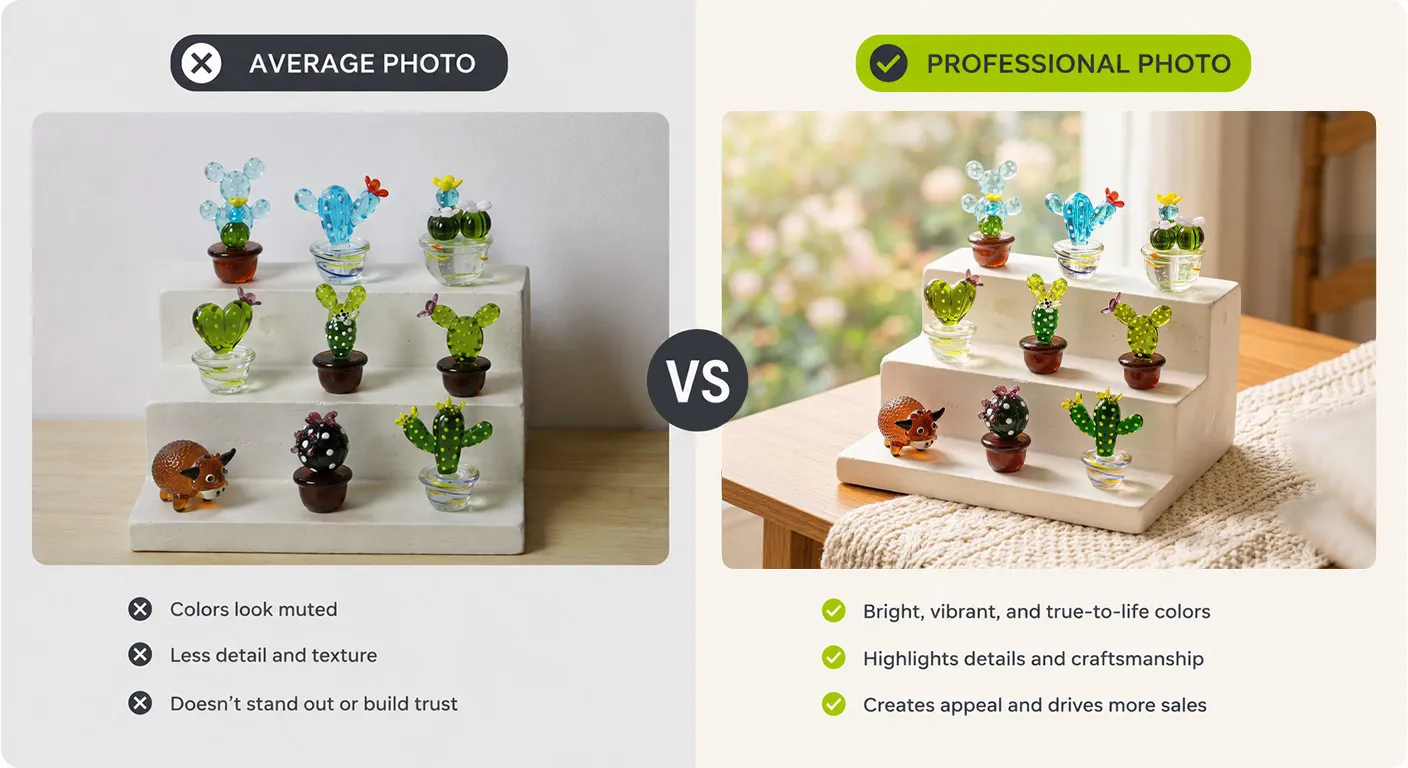
Blurry, dark, or inconsistent images create immediate doubt. Shoppers wonder if your product is cheap or fake. They question your legitimacy as a seller. Many will leave your site within seconds. Bad product photography for ecommerce does not just fail to sell. It actively drives potential customers away. It damages your brand before you even get a chance to make your pitch.
This year has brought clear, measurable changes to how successful brands present their products. Here are the trends that are delivering real results right now.
Artificial intelligence is transforming product photography at every level. In 2026, AI tools handle background removal, color correction, and shadow creation in seconds. This speeds up workflows dramatically. Brands can now shoot hundreds of products and edit them for same-day upload.
However, AI is a tool. It is not a replacement for real skill. The best results still come from photographers who understand lighting, angles, and composition. At UploadToSell, we combine professional shooting with smart AI editing. This approach delivers consistent, high-volume product photography for ecommerce without sacrificing quality or human oversight.
Static images are no longer enough for demanding shoppers. Customers want to examine products from every possible angle. Interactive 360-degree spins are now standard for many product categories. They reduce return rates significantly. They also increase time-on-page, which sends positive signals to search engines.
Adding product photography for ecommerce that includes spin views does not require expensive studio equipment. Simple motorized turntables and user-friendly software can create smooth, professional rotations. The key is even lighting and consistent camera height throughout the entire sequence.
White background shots remain essential. They keep your store looking clean and professional. But in 2026, lifestyle shots are driving the highest engagement rates.
Customers want to see products in real-world settings. A desk lamp glowing on a wooden table. A backpack resting on a mountain trail. These contextual images help buyers imagine ownership. They trigger emotional responses that pure catalog shots cannot match. When you blend white-background catalog images with lifestyle product photography, you cover every stage of the buyer journey.
Most ecommerce traffic now comes from mobile devices. This shift demands a completely new approach to product photography for ecommerce. Vertical images perform better on phones. They fill the screen. They feel more immersive and natural to mobile shoppers.
Shooting for mobile means leaving extra space around your product. Text overlays and automatic platform cropping can cut off important details at the edges. Always preview your shots on an actual phone screen before finalizing them. Test how they look in search results and on product pages.
Modern consumers care deeply about brand values. They want to support companies that align with their personal beliefs. Product photography in 2026 increasingly tells sustainability and ethics stories.
This might mean showing recyclable packaging materials. It could include behind-the-scenes shots of ethical manufacturing processes. Authenticity is absolutely crucial here. Staged or fake sustainability images backfire quickly and destroy trust. Honest, transparent visuals build long-term loyalty and encourage repeat purchases.
Video is no longer separate from product photography. The two are merging. Short looping clips, cinemagraphs, and stop-motion sequences are replacing static hero images on many store homepages.
These moving images grab attention instantly. They show product function and scale in ways that photos alone cannot. Even a three-second clip of a zipper closing or a light turning on can answer buyer questions. Smart brands now plan their product photography shoots to include short video captures.
Keeping up with every new trend takes significant time. It also requires specialized equipment, software, and trained skills. This is where UploadToSell becomes your competitive advantage.
We specialize in product photography for ecommerce businesses of all sizes. Our team stays current with the latest industry shifts. We deliver mobile-optimized images, compelling lifestyle shots, and clean catalog photos. We also handle high-volume editing with fast turnaround times.
Our process is built for online sellers. Whether you run a dropshipping store or a growing private-label brand, our product photography services scale with your needs. You focus on marketing, customer service, and sales growth. We make sure your visuals are always one step ahead of the competition.
UploadToSell understands that every store is unique. We adapt our shooting style to match your brand voice. We help you implement the trends that matter most for your specific audience and platform mix.
You do not need a massive budget or a professional studio to see better results. Small, strategic changes can make a dramatic difference.
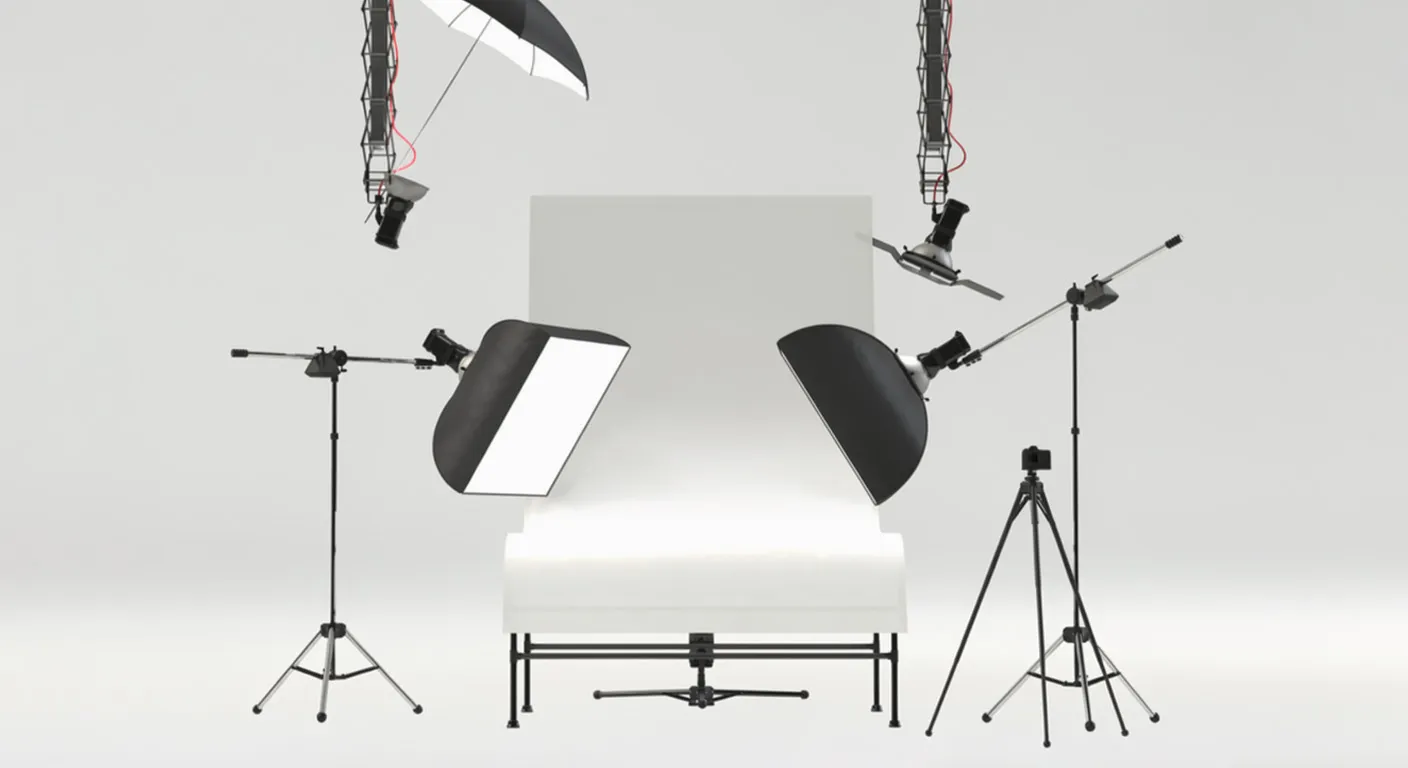
Harsh shadows confuse buyers and hide important details. Soft, even lighting makes products look professional and trustworthy. A simple lightbox or two diffused lamps can transform your shots overnight. Consistency across all your product photography creates a cohesive brand experience that customers remember.
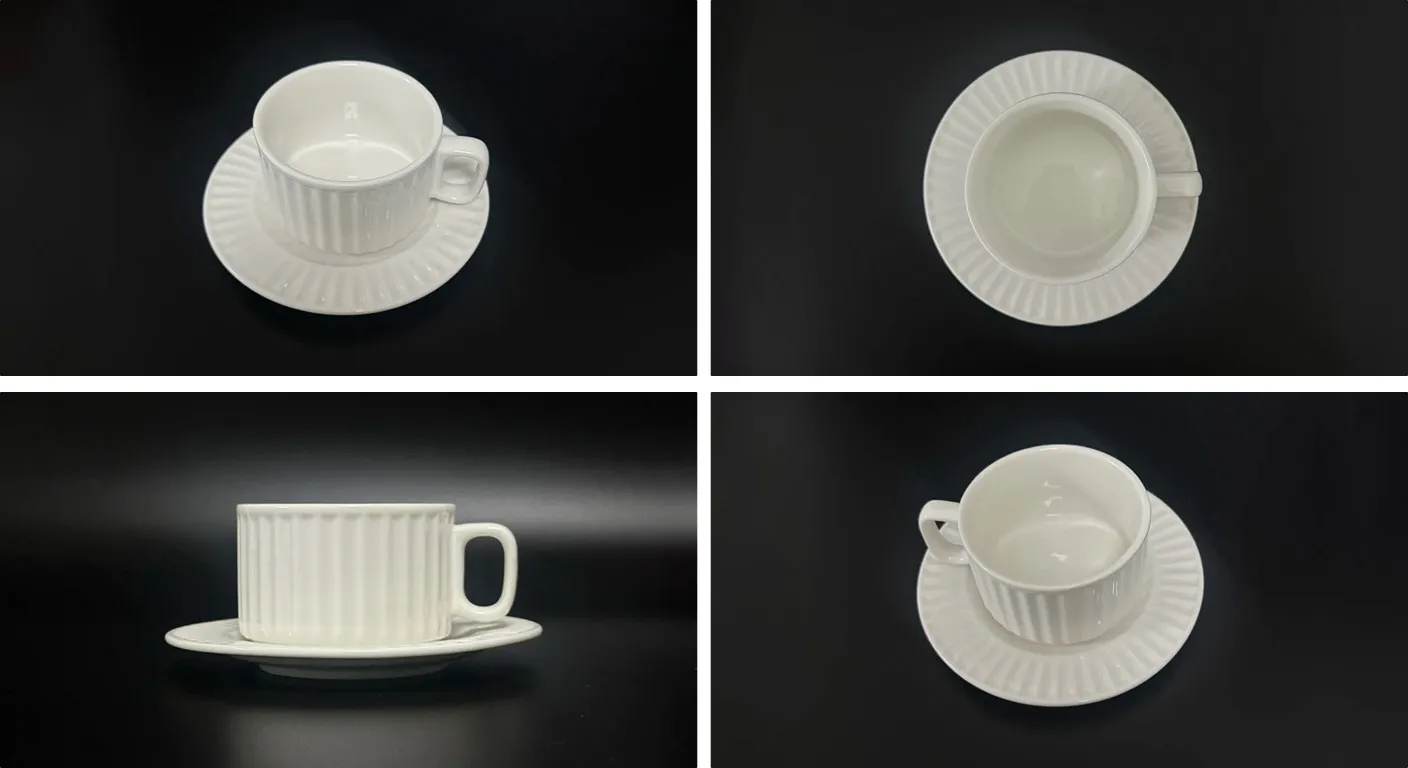
Never rely on a single hero image. Show the front, back, sides, and top. Include close-ups of textures, materials, and unique features. More angles mean fewer surprises for the buyer. Fewer surprises mean fewer returns and better reviews.
Slow-loading images kill conversions before they begin. Compress your files carefully before uploading them to your store. Use modern formats like WebP when your platform supports them. Your product photography for ecommerce should look absolutely stunning and load almost instantly.
Customers misjudge size constantly. This is one of the biggest causes of returns. Place your product next to a familiar object. A hand holding a phone. A coin next to a piece of jewelry. Scale references eliminate confusion and reduce unnecessary customer service questions.
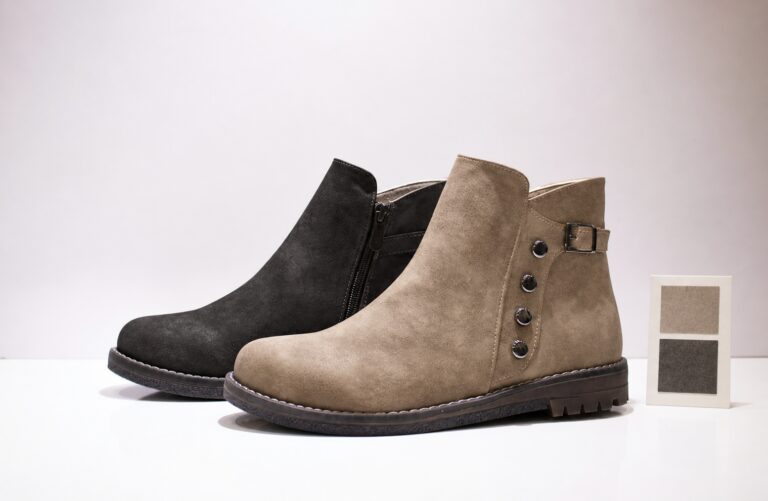
Nothing disappoints a customer more than receiving a product in the wrong shade. Calibrate your monitor. Use a gray card during shooting. Make sure your photos represent true colors. This small step prevents negative reviews and costly exchanges.
Great sellers never settle on the first image they shoot. Create multiple versions of your hero shot. Test different angles, backgrounds, and lighting setups. Compare performance data to see which images drive the most clicks and sales. Continuous testing leads to continuous improvement.
Camera shake ruins otherwise perfect shots. A basic tripod keeps your camera steady. It also ensures consistent framing across your entire catalog. Sharp, stable images look more professional. They signal quality to potential buyers.
Even well-meaning sellers make these common errors. Avoid them to protect your brand image and your bottom line.
Generic supplier images make your store invisible. Every competitor has access to the same photos. Invest in original product photography. Unique visuals set you apart from the crowd. They also strengthen your brand identity in a crowded marketplace.
Amazon, Shopify, Etsy, and TikTok Shop all have different image specifications. One size does not fit all. Tailor your product photography for ecommerce to each platform’s unique requirements. This ensures your images display correctly and look professional everywhere you sell.
Customers zoom in. They want to see stitching, textures, finishes, and small details. If your image resolution is too low, zoom reveals ugly pixelated blurs. Always shoot at high resolution. Your product photography must hold up under close scrutiny.
Heavy filters, excessive retouching, and unrealistic color grading create false expectations. When the real product arrives, disappointment follows immediately. Returns increase. Reviews turn negative. Keep your editing honest, accurate, and true to the actual item.
Alt text matters. Screen readers use it. Search engines use it. Many sellers forget to add descriptive alt text to their product images. This hurts both accessibility and SEO. Describe what is visible in each image using natural language and relevant keywords.
A mix of different styles, backgrounds, and lighting across your catalog looks unprofessional. It confuses shoppers and weakens your brand. Develop a clear style guide for your visuals. Apply it to every single image in your store.
The world of online retail never stops changing. Consumer expectations rise every year. Platform algorithms evolve constantly. What worked last year may not work today. Strong product photography for ecommerce remains the one constant that separates successful stores from forgotten ones.
In 2026, success means embracing AI tools, interactive formats, mobile optimization, and authentic storytelling. It means delivering visuals that inform, inspire, and convert at every touchpoint.
UploadToSell is here to help you navigate these changes with confidence. Our expert team delivers product photography that meets the demands of modern shoppers across every platform. We offer flexible packages designed for sellers who want professional results without the hassle of managing a studio. Ready to upgrade your store and boost your conversions? Let UploadToSell handle the visuals while you focus on growing your business.