Phone:
+85295718875
Email:
support@just-wonders.com

Phone:
+85295718875
Email:
support@just-wonders.com
Discuss replacement parts for a missing or damaged component. Explain the original product, confirm available options and agree what the customer will receive.
Replacement parts can resolve a missing or damaged component without sending the customer a whole new product. That option works only when the right component is available separately and will give the customer the result they need. A lid for the original container is one possibility; a vaguely similar lid is not the same solution. Establish the available option before promising a dispatch date or telling the customer their problem is settled.
For a dropshipping seller who does not handle the goods, the starting point is a clear replacement request. Explain the original purchase, what is missing or damaged, and what you want the customer to receive. UTS handles supplier communication, sourcing and quality work within the service you commission. You choose the customer remedy; you do not need to find replacement parts by screening suppliers or carrying out technical checks yourself.
A detachable lid, removable knob or separately supplied accessory may be obtainable on its own. A handle molded into a ceramic mug is a different situation: it is part of the cup, rather than an accessory that can simply be sent separately. The fact that a product has several visible features does not mean each one is sold as replacement parts.
Describe the missing result in your replacement request. If one cup in a set arrived broken, the customer may need one complete cup, not a fragment or a repair component. If the container is intact and its removable lid is missing, the request concerns the lid. Those two situations may both involve one piece, but they lead to different purchases and packing arrangements.
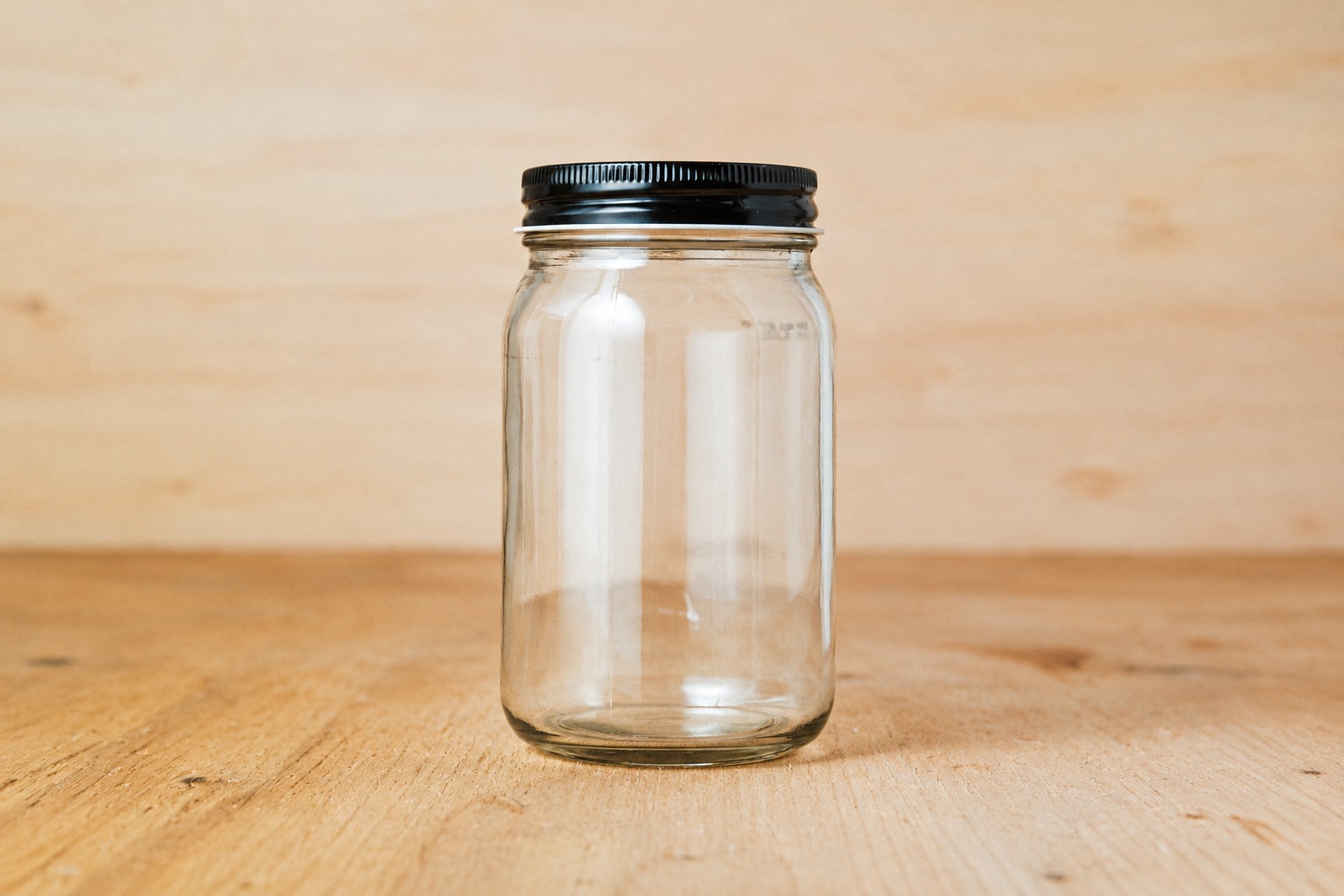
The jar pictured here makes the distinction visible: the lid closes the glass body, but it is a separate component. It does not establish that this particular lid is available separately. Replacement parts depend on the actual product and supplier arrangement, not on how easily a component can be recognized in a photograph.
Connect the replacement request to the original order and product version. Share the product link or order reference, selected size or color, and a plain description of the piece needed. If you already have an identifiable part number, include it. Replacement parts for an older version may differ from those shown on the supplier’s current product page, even when the product name looks unchanged.
Use existing photos to explain the problem where helpful: an overall view identifies the item, while a closer view can show the missing location or damaged component. Do not ask a customer to dismantle an appliance or handle broken glass to obtain another image. UTS can clarify what information is needed and handle the supplier and quality questions; the seller’s role is to communicate what happened and the intended outcome.
A useful outside example is IKEA UK’s spare-parts page, which points customers toward identifying a part number for small items such as screws, knobs and plugs. It illustrates why the specific component matters. It does not establish a UTS supply arrangement, warranty or delivery promise. Keep your replacement request tied to the product actually purchased, rather than selecting replacement parts by appearance alone.
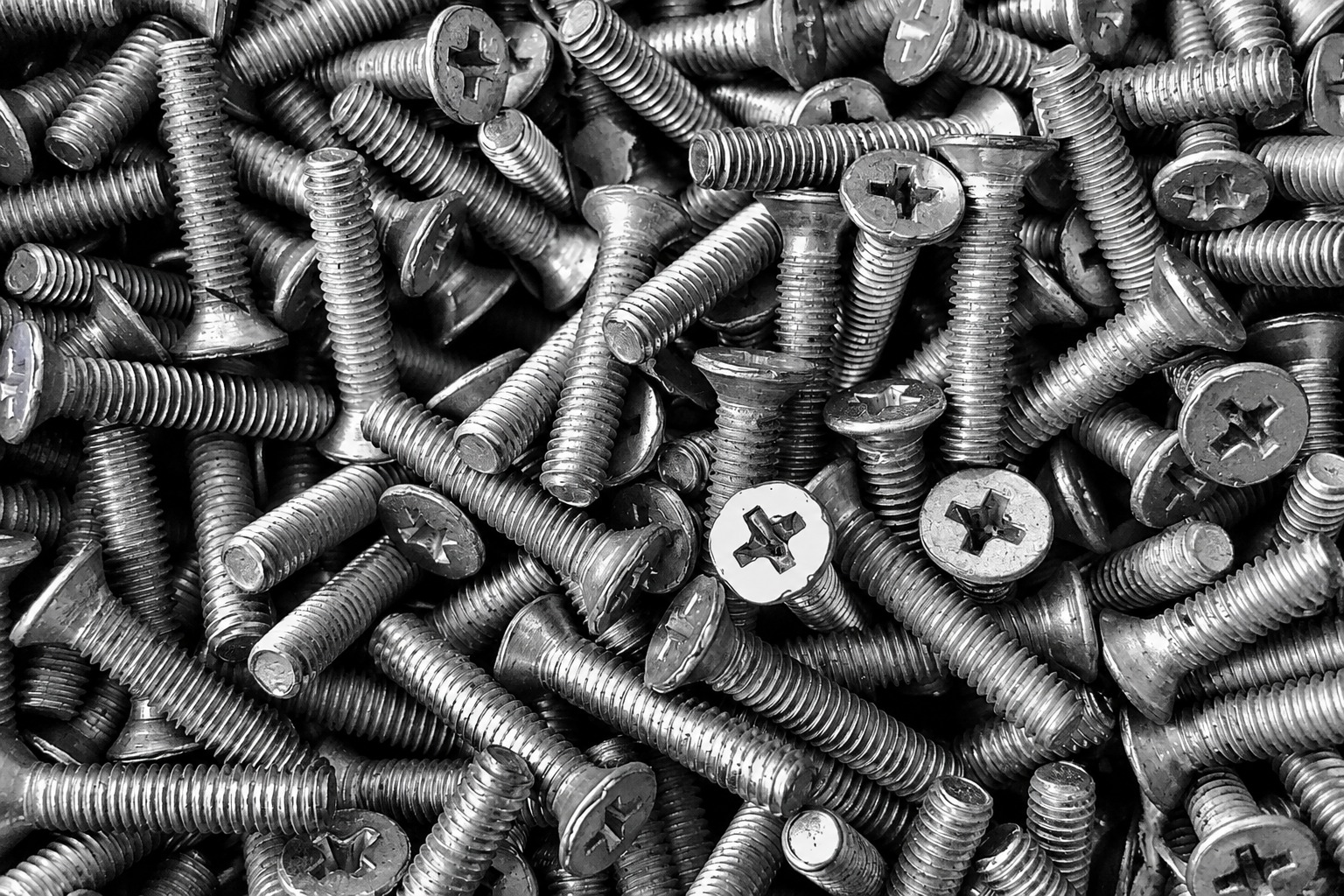
The screw photograph shows small components with recognizable heads and threads. A pile of similar-looking pieces still does not tell you which belongs to the customer’s product. Your replacement request can name the missing piece without prescribing its engineering specification. The provider needs to resolve the actual match; a general description such as ‘one silver screw’ may leave several possibilities.
Ask what can actually be supplied in response to the replacement request. The answer may be the original component, a different option requiring your agreement, a complete product, or no suitable supply. Replacement parts can be unavailable separately even when complete products remain on sale. An offer for a whole set should therefore be explained as a different option, not quietly treated as the requested single piece.
A replacement that fits can still leave a visible mismatch. A different knob finish or lid color may matter when it belongs to a matching set. Tell UTS whether matching appearance is part of the result you need. The team handles the supplier and quality work; you decide whether the proposed outcome meets the customer’s expectation. Do not assume an alternative is acceptable simply because replacement parts are small.
Separate obtaining the item from agreeing the customer remedy. A replacement request does not itself settle whether the customer accepts the option, who pays the applicable costs, or whether another response is needed. Explain the confirmed offer and any remaining limitation before making a customer-facing promise. A parcel dispatched later cannot erase an unresolved disagreement about what the customer was supposed to receive.
Ask for the scope of the proposal: the exact piece and quantity, any preparation, the destination and the proposed delivery arrangement. Replacement parts do not automatically come free or travel at no charge. Specific costs and timing depend on the actual request. Discuss those details with UTS for the project rather than assuming that a low-value component means a simple or immediate remedy.
Replacement parts need packaging suited to the piece being sent independently. A ceramic lid normally supplied beside a cup has a different parcel arrangement when it travels alone. The replacement request should make the contents and destination clear; UTS can discuss and perform the packing and shipping work you commission. You are not being asked to design cushioning or prepare the parcel yourself.
The two drawer-style boxes illustrate presentation packaging. The open drawer reveals fabric, but neither the neat appearance nor the smaller box proves transport protection. For fragile ceramic items, our guide to ceramic mug packaging explains why the actual contents and complete shipping arrangement matter. That principle still applies when a replacement request concerns only one component.

Confirm what update you will receive when replacement parts are ready and when they are dispatched. Availability confirmation means the component can be obtained; dispatch information describes a later result. If it is a separate parcel, ask for its own tracking information where tracking is included in the agreed service. The original order’s delivery record does not show that the additional piece has arrived.
UTS’s purchasing service includes support for accessories and components, with the actual project scope confirmed individually. Send the original product or order reference, the specific missing or damaged piece, quantity, available photos and destination country. State whether you want help obtaining the item, arranging its delivery, or both. That gives the team a concrete replacement request to assess, while leaving you a clear choice about the result to offer your customer.