Phone:
+85295718875
Email:
support@just-wonders.com
Phone:
+85295718875
Email:
support@just-wonders.com
Plan a packaging update after a logo change. Understand what can stay, what happens to existing materials, and when customers will receive the new version.
A packaging update after a logo change does not automatically require a new box. You may be able to retain a suitable plain package and replace the card, sticker or printed band that carries your identity. A box already printed with the old name creates a different decision: keep using it during an agreed transition, discuss an appropriate alteration, or replace it. Changing the website alone does none of those things.
For a dropshipping seller who does not handle the goods, a packaging update needs a clear result: which version your customers will receive, and from which agreed point. You choose the branding and whether a transition is acceptable. UTS handles the design, supplier coordination, quality and production work you commission; order preparation is included only where that service is also agreed. You do not need to become the printer or manage the warehouse yourself.
Start with what actually carries the old branding. A shipping mailer, inner product box, seal, card and product label are separate items. A logo change on the card does not remove the old mark from the box beneath it. Show UTS the current presentation and identify the pieces you want customers to see differently, rather than requesting an undefined complete rebrand.
Shopify’s rebranding guide distinguishes a partial refresh from a full rebrand. That distinction is useful for the physical package, too. A packaging update can be limited to the elements that need changing while retaining suitable components. It need not include a new product, a different box structure or a replacement for every printed item.

The open white box illustrates a base package with no visible branding to remove. A separate card or band could carry an identity without the box itself being printed. This makes the scope of a packaging update easier to describe: ask to change the branded component while retaining the base package, subject to UTS confirming its suitability for your actual product.
Separate a logo change from changes to the information accompanying the goods. If your store name, website or support contact is also changing, tell the team which details must be updated. An instruction card may need revised contact information even when its product instructions remain the same. Conversely, a new visual identity is not a reason to silently change product information that still applies.
Existing printed materials do not disappear when the artwork changes. Ask UTS what materials remain within the work or stock entrusted to the team and what options are feasible. The business choice is whether you accept an overlap, want the old version withheld, or want a proposal for changing it. UTS handles the relevant supplier and preparation questions for the commissioned work.
A logo change may be a cosmetic refresh, or it may accompany a new store name that would make the old package confusing. Those situations need different transition decisions. For a packaging update that retains old materials temporarily, confirm exactly which old identity or details customers may still receive. ‘Use what is left’ is too broad if only the outer box is acceptable but an outdated contact card is not.
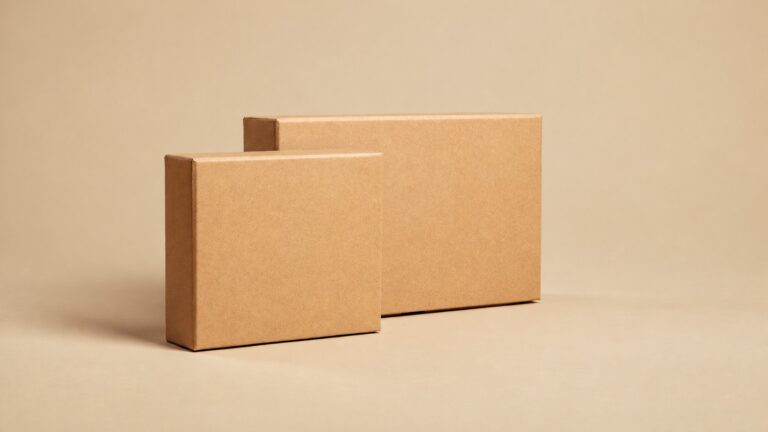
The separate thank-you card shows one component that can change independently of a box. A packaging update might replace that card while keeping a suitable plain package. It does not follow that a new card makes an already printed outer box current. Treat each visible old detail according to the result you have agreed, rather than assuming one new insert updates the whole parcel.

Relabeling or covering an old mark is an option to discuss, not a universal remedy. Tell UTS the appearance you want and ask whether a suitable alteration can be offered for the existing material. The team handles the practical assessment and execution. Do not assume a logo change can be solved by a sticker on every surface, or authorize disposal of materials when you only meant to stop using them in customer orders.
The date you upload a new logo is different from the point when updated materials can be used. Artwork confirmation, production readiness and use in a customer order are separate results. For a packaging update, ask which result the proposed date describes. A promise that design files will be ready does not establish that the next parcel will already contain the finished new packaging.
Agree what the change applies to: a product range, selected variants, a specific receiving location or orders from an agreed point. A logo change should not leave the preparation team guessing which orders receive which version. You provide the intended boundary and confirm the proposal; the provider establishes what it can execute and performs the agreed work. No particular store field or automatic version switch should be assumed.
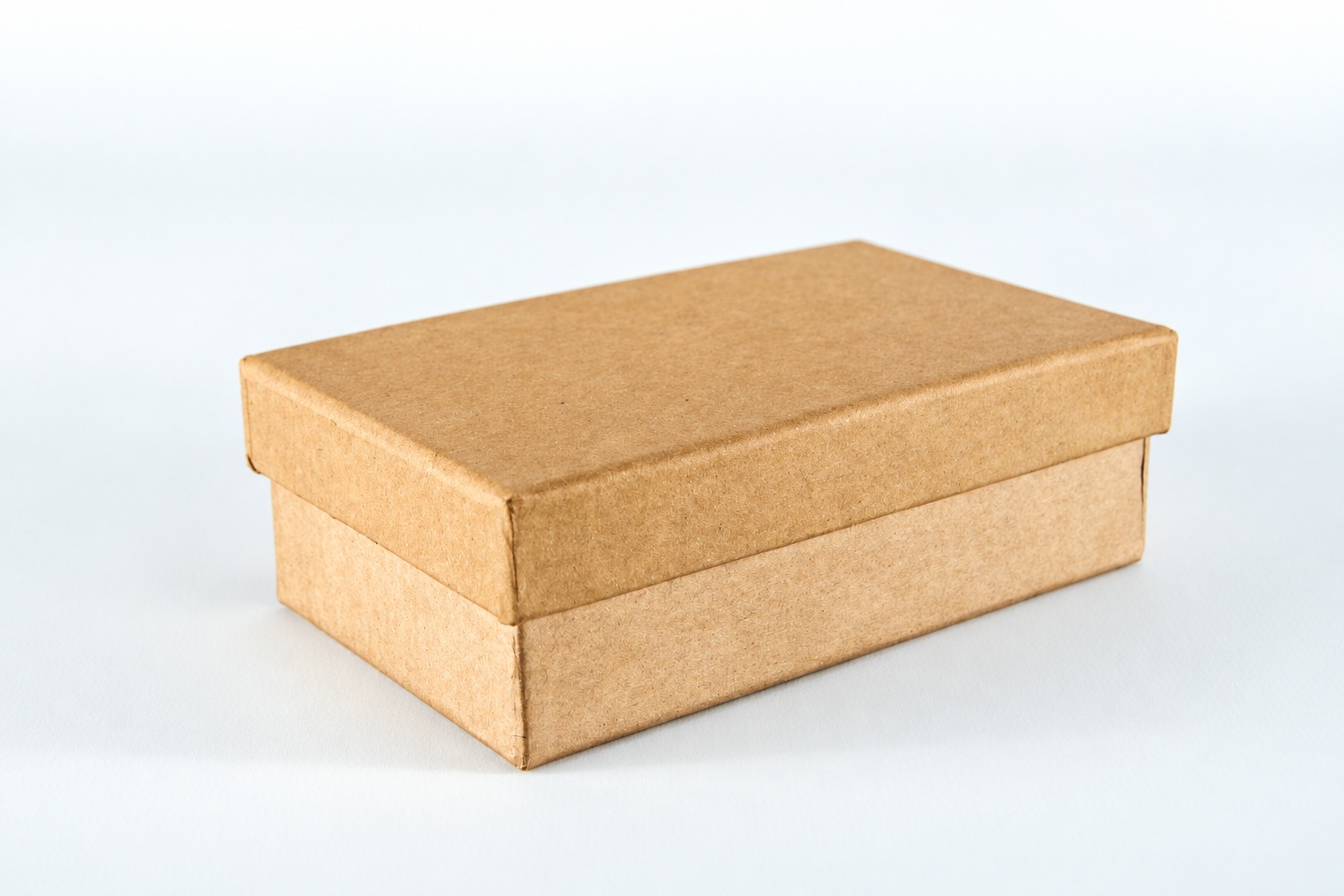
The closed kraft box illustrates another component that may remain when its structure and presentation still suit the product. Its appearance alone does not show an updated identity inside. During a packaging update, the useful confirmation is the complete customer presentation, including the agreed card and other branded pieces, rather than a photograph of one closed box.
Keep customer-facing pictures consistent with that transition. If your product page shows only the new presentation while some orders will receive the old one, resolve that difference before making the new packaging an unconditional part of the offer. A logo change can also leave older photos showing a name you have retired. Tell the content provider which complete version should be photographed instead of asking an editor to invent packaging that has not been produced.
Send the current packaging photos, product reference, new logo file and any wording or contact details that must change. Include the quantity or expected use, desired start date and your decision about existing materials. These give UTS a concrete packaging update to assess. If you are unsure whether the box or only its branded additions need changing, explain the desired customer result and ask for suitable options.
When reviewing the proposal, distinguish artwork from the finished package. Our guide to a custom packaging proof explains what a layout, printed sample and complete package can confirm. Use that next step for the new version’s appearance and scope. Approval of a new design still does not, by itself, confirm that a packaging update has reached live customer orders.
UTS’s branding and packaging service includes artwork preparation or adjustment, packaging, printed materials and coordination of samples and production. A logo change can be discussed as a packaging-only project. You can nominate where the finished materials should go; purchasing products, ongoing storage and order fulfillment are separate needs, with the actual handover confirmed for the project.
Ask the proposal to identify the changed components, what stays, the treatment of old materials, the deliverable and the receiving party. If UTS will also prepare your orders, confirm when and where the agreed new presentation will be used. Specific quantities, feasibility, charges and timing need the actual project. That lets you commission a packaging update with a defined result, instead of assuming that sending a new logo has already changed what your customers receive.