Phone:
+85295718875
Email:
support@just-wonders.com
Phone:
+85295718875
Email:
support@just-wonders.com
AI product images can suggest wet use, heat tolerance or compatibility without changing the item. Understand which product claims need a factual answer.
AI product images can promise a new use without changing the product itself. A pair of headphones may keep its exact shape while a shower scene suggests it can be worn under running water. The problem is no longer a missing view of the item. It is a new expectation about where or how it works. Treat the setting as part of the product claims, rather than assuming an accurate cutout makes the whole picture accurate.
For a dropshipping seller who does not handle the goods, that distinction matters before requesting content. Tell UTS what use you want to show and what remains uncertain about it. UTS handles the sourcing and quality work you commission; you decide what to sell and how to present it. AI product images cannot supply the missing answer about a product’s capabilities.
You might mean “a relaxing bathroom” when choosing a background. A buyer may see “headphones suitable for a shower.” Those are different messages. Product claims do not disappear just because you left the headline blank or kept the original product untouched. The item’s relationship with its surroundings can communicate the feature.
The UK ASA/CAP’s guidance on substantiation says it considers the likely interpretation of a claim, rather than the marketer’s intention. That guidance concerns UK non-broadcast advertising; here it provides a useful reason to consider what a scene communicates. “I only wanted a pleasant background” does not explain away a picture that appears to show the product working in a particular condition.
The plain headphone image keeps that question open. It shows a product, without placing it in water or showing it operating in rain. Moving the same item into a wet-use scene adds information that this view never supplied. AI product images can therefore stay visually faithful and still introduce unsupported product claims.
You do not need to diagnose the construction of the headphones. The useful question to pass to UTS is whether the intended use is supported for the item you plan to sell. That is more specific than asking if it is “good quality,” and different from asking for another attractive image.
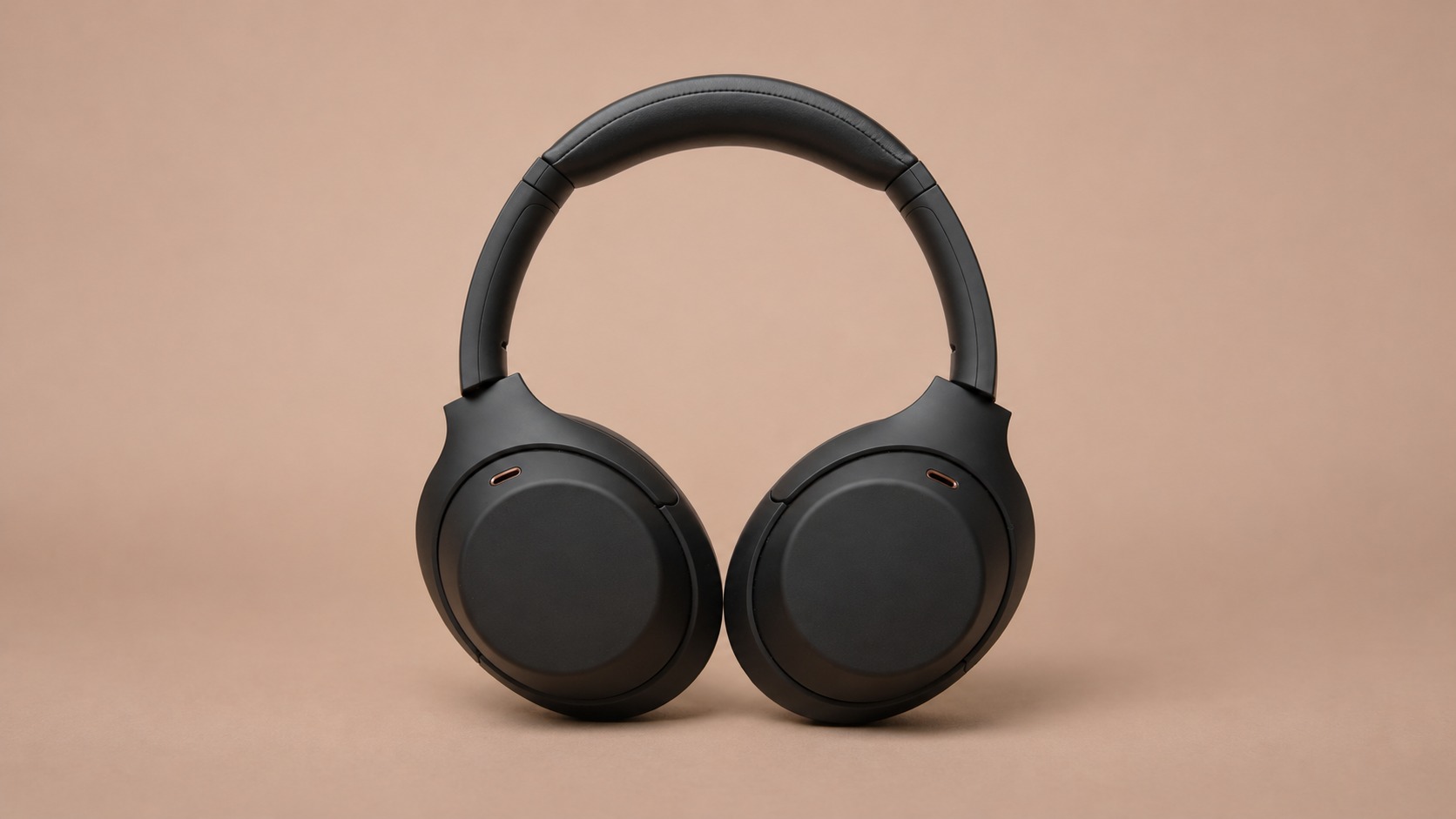
A product resting on a dry bathroom shelf and the same product under a shower do not describe the same use. The first may establish a room; the second shows contact with water. When considering AI product images, identify what the item is actually doing in the scene. Product claims about that use need their own factual answer, even if the background looks ordinary.
Heat creates a similar distinction. A vessel beside a stove may simply be part of a kitchen setting. Put it directly on a flame and the image now suggests that method of heating is suitable. “Used in a kitchen” does not answer “safe on a burner.” If that suitability is unknown, ask about the intended use rather than asking the studio to make the scene more convincing.
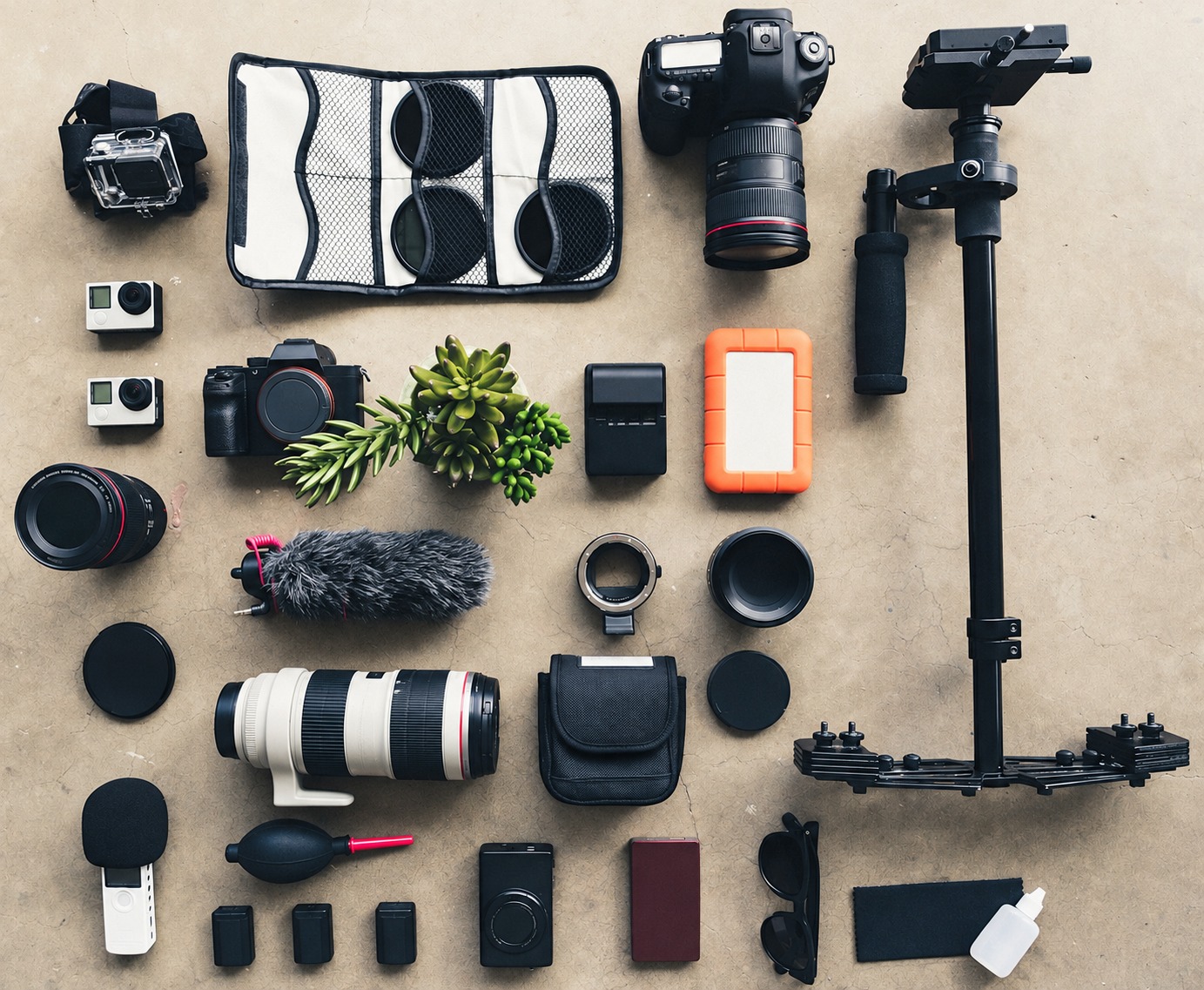
Connection is another change in meaning. A camera near a lens or stabilizer does not establish that they work together. Showing them physically attached can suggest compatibility, including the way the connection is meant to function. The equipment arrangement illustrates proximity, not a verified working combination. Product claims in AI product images should not turn objects sharing a tabletop into an assumed compatible system.
This distinction gives you a useful way to describe the uncertainty: “We want to show this connected to that device; is that use supported?” UTS can discuss the product information and the work needed to answer it within the agreed scope. You are describing a requirement, not learning connector engineering or carrying out a test yourself.
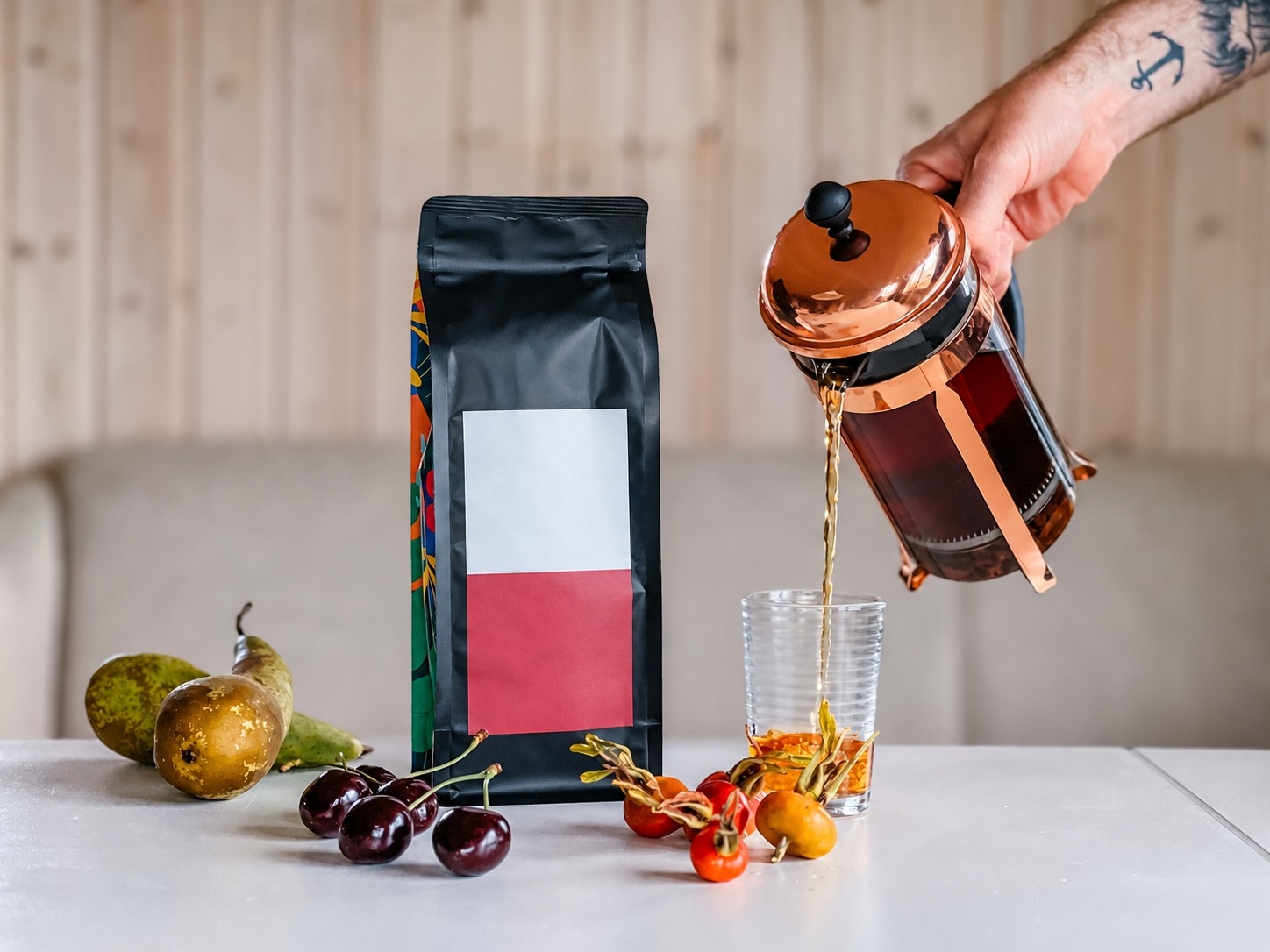
The pouring image shows a vessel tilted by its handle and liquid entering a glass. It communicates that visible action. It does not show the vessel on a burner, inside a microwave or being cleaned in a dishwasher. Moving from the photographed action to one of those settings changes the product claims, even if the vessel’s outline stays exactly the same.
That is a different problem from deciding whether a still or video would show pouring more clearly. More footage of the same permitted action does not answer whether another action is suitable. AI product images should not bridge that gap by placing the object where you would like it to work.
Suppose the confirmed instruction is dry use only. A note repeating that limit should not become a workaround for a scene that appears to show soaking the product. The conflicting picture still creates a different expectation. Product claims need a coherent presentation: choose AI product images that communicate the supported use instead of placing the correction somewhere else and leaving the stronger visual message intact.
The next action depends on the gap. If the intended use is supported but shown badly, the need is clearer content. If the intended use itself is unresolved, the need is a product answer. Commissioning the first does not automatically include the second, and changing the background does not resolve either one. Once the use is supported, our guide to a product photo brief explains the separate task of describing the views you need.
When a proposed scene raises new product claims, send the product link or identifier and describe the condition it would show: contact with water, direct heat or a particular device connection. Include the picture or scene idea so the team can understand the question. Ask what is supported, what is still unknown and whether the necessary confirmation is available for this product. Do not assume every performance test or certification is offered.
For AI product images, you then have two distinct choices: use a scene consistent with the confirmed conditions, or choose a neutral presentation that does not imply the unresolved use. If that use is essential to the product you want to offer, discuss the product requirement with UTS before commissioning content around it. An image correction and a change to the product are different requests.
UTS’s photo and video service can discuss real product, lifestyle or demonstration capture, with deliverables agreed by project. Photography can be commissioned on its own; it does not imply AI generation or advertising management. Explain the supported condition to be depicted, while the team plans and performs the agreed capture.
For a specific quote, explain the product, the supported action you want shown and where you plan to use the material. That lets the team discuss the appropriate sample and capture scope. Keep the product claims consistent with the confirmed use when you create your own AI product images, rather than asking a realistic setting to stand in for an answer about the goods.