Phone:
+85295718875
Email:
support@just-wonders.com

Phone:
+85295718875
Email:
support@just-wonders.com
Understand tote bag fabric weight, estimate panel mass from GSM and learn why fabric specifications do not establish a finished bag’s carrying capacity.
A supplier offers you heavier cloth for a tote. What does the upgrade actually change? A 300 GSM specification means a square metre of tote bag fabric has a nominal mass of 300 grams; it does not establish how many kilograms the finished bag can carry. You still need to understand how the handles, seams and assembled bag perform.
Use the number to understand the material quotation, estimate the weight of specified fabric pieces and compare like with like. Then evaluate the assembled bag against what your customers will put inside it. A reusable grocery tote, a foldable spare bag and a bag for carrying books need different purchase decisions, even when their product photos look similar.
GSM means grams per square metre. If a fabric is specified at 300 GSM, one square metre has a nominal mass of 300 grams. The number is not a thickness measurement, a thread count or the weight of one bag. A small pouch and a large shopper can use the same material while weighing very different amounts.
ASTM's public description of D3776/D3776M identifies the measured property as fabric mass per unit area. That is a useful boundary for reading a supplier's specification. A result about this property does not answer a separate question about the force required to damage a sewn joint or the carrying performance of a finished product.
A small test specimen also has limits. ASTM's public description says a small-swatch result applies to that sample, not necessarily to the lot it came from. For a tote bag fabric order, ask which sample a reported GSM refers to and agree how delivery conformity will be checked. Do not invent a tolerance from a nominal number.
Also ask what material the quoted number describes. Is it the outer cloth in its finished condition, a fabric before a later treatment, or a combined construction that includes a backing? You cannot make a meaningful weight comparison if one quotation includes something the other leaves out. The exact material description should travel with the number.
For tote bag fabric, a specification such as “300 GSM, finished outer cloth” is therefore more useful than “heavy premium canvas.” It still needs a composition and construction description, but you know which material the weight figure describes. Do not treat 300 GSM in this explanation as a recommended grade; it is simply an easy number for the calculation below.
Imagine a simple bag body made from two rectangular cut panels. Each panel measures 0.40 metres by 0.45 metres. These are the cut dimensions, including the seam and hem allowances for this hypothetical pattern. Together they account for 0.36 square metres of cloth: two multiplied by 0.40 multiplied by 0.45.
At 300 grams per square metre, those two panels have an estimated combined mass of 108 grams. Using 400 GSM cloth for exactly the same cut area gives 144 grams, a difference of 36 grams. The calculation is area multiplied by mass per area. None of these numbers describes a tested product or an allowable carrying load.
That is a practical use of a tote bag fabric quotation. It shows how much more the specified panels would weigh. You can discuss whether the additional mass suits the intended bag, but the calculation cannot show whether its seams are well made or its handles are comfortable.
The boundary of the estimate matters. Our example includes only the two named panels. Add a separate gusset, lining, pockets or fabric handles and you must account for those pieces too. Components made from another material need their own calculation or measurement. Thread, labels, closures and hardware also contribute to the actual finished bag weight.
Do not count discarded cutting waste as weight inside the bag. It affects material consumption and cost, not the mass of the pieces that remain in the product. For an actual order, compare your estimate with a weighed sample and investigate meaningful differences instead of forcing the scale reading to match a simplified model.
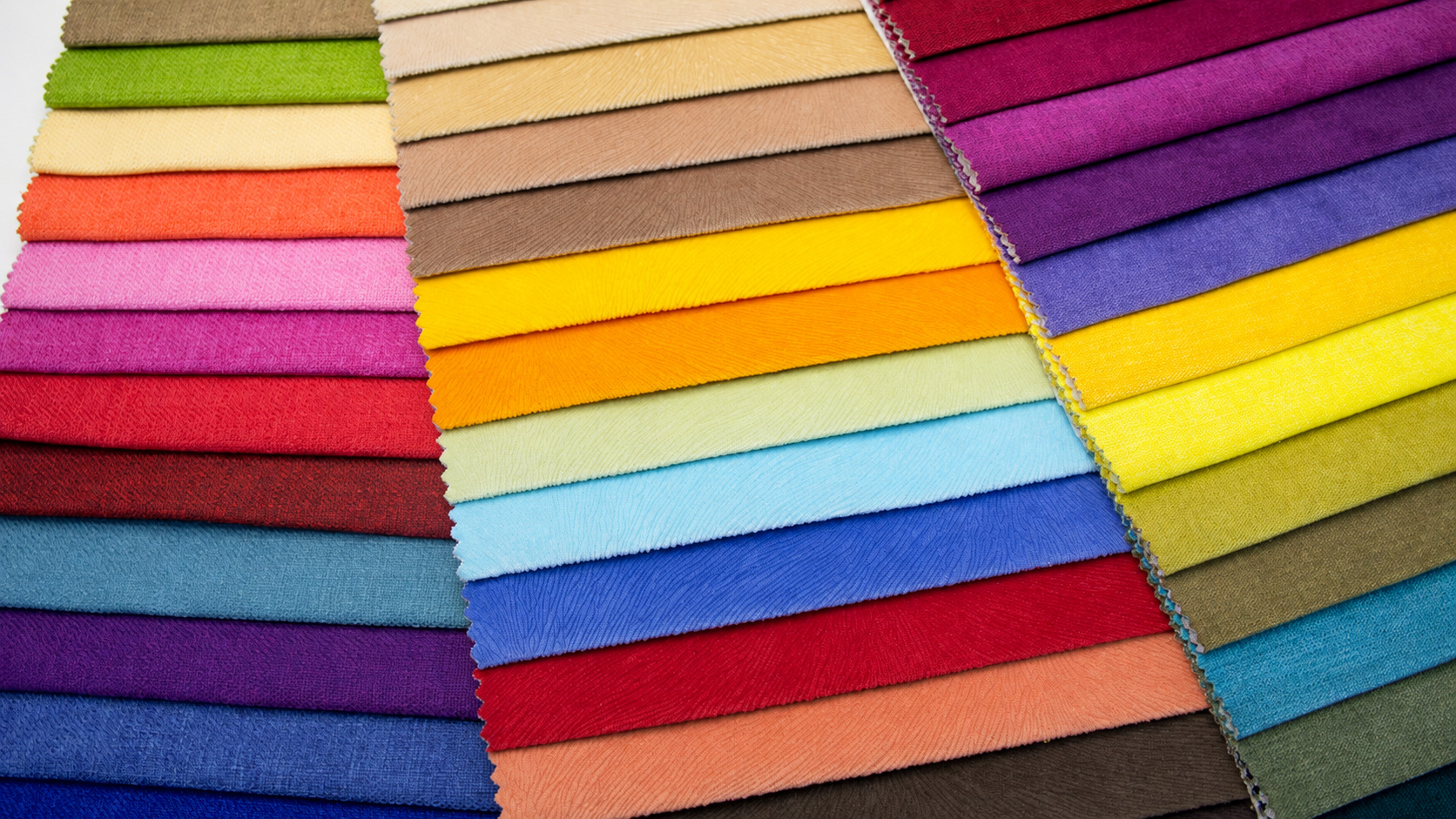
Two samples of tote bag fabric can have the same fabric weight without having the same surface, feel or construction. GSM compresses one property into one number. It does not identify the fibre, the yarns, the way those yarns interlace or the treatment applied to the cloth.
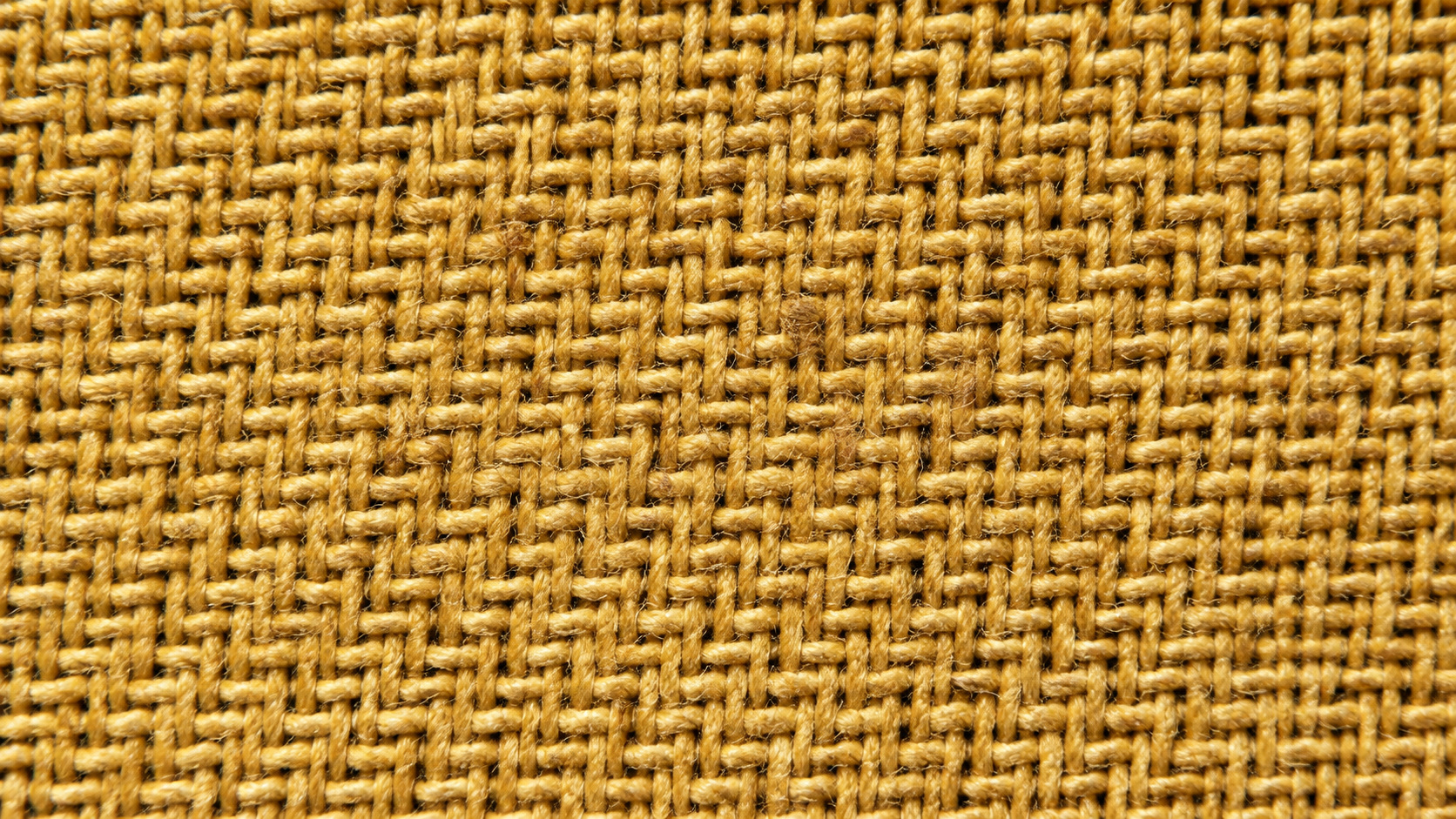
Look closely at a woven fabric sample and you can see information a weight figure leaves out. Follow the yarn paths rather than judging only the colour. Ask the supplier to identify the construction and composition; a photograph alone cannot establish either reliably. “Canvas” on a quotation should not be your only description of what you are purchasing.
This is also why a smooth, stiff sample should not automatically win over a softer one. Shape and handling may matter to your offer, but decide what you want them to do. A tote intended to fold into a small space has a different design goal from one intended to hold a more defined shape on a shelf.
When discussing a change with a China-side purchasing team, keep the material request specific: the intended finished fabric, the requested GSM, the composition, the sample reference and the bag design. Ask which of these would change in the alternative quote. This makes a price difference easier to interpret without assuming that the highest GSM is the best option.
You can still choose a heavier cloth because you prefer how the finished sample looks or feels. Just describe that as a design preference supported by the sample, not proof of a particular carrying capacity. The useful comparison is between the products you can actually specify, rather than an imagined ranking of numbers.
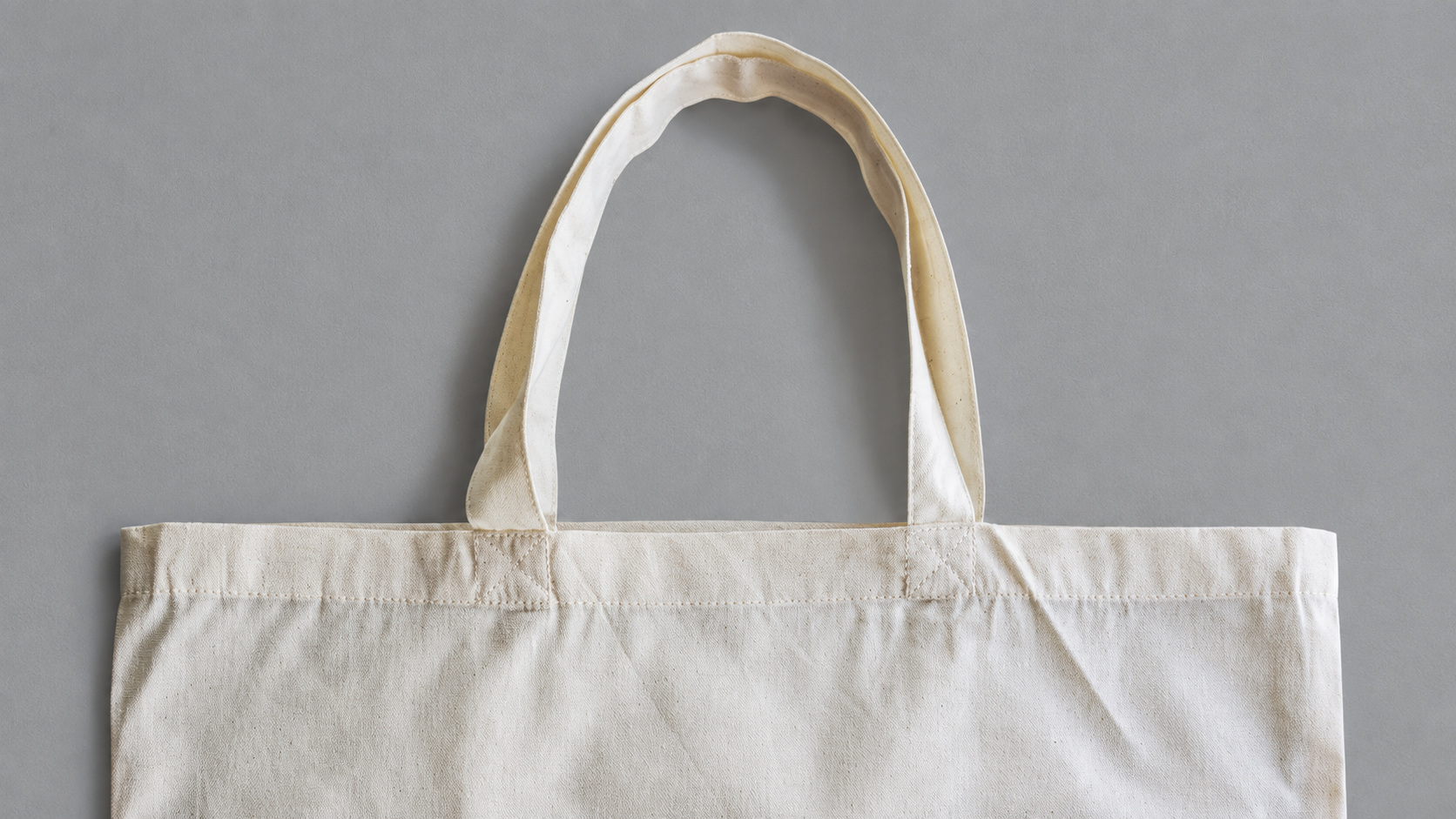
When you lift a filled tote, the contents do not hang from an isolated square of cloth. Their weight is supported by the assembled body and transmitted through the construction to the handles. The body fabric, sewn joins and handle attachment are connected parts of that arrangement. Increasing the GSM of one panel does not tell you what changed elsewhere.
This distinction is reflected in the existence of separate test methods. ASTM D1683/D1683M addresses sewn seams in woven fabrics, applying force to examine seam performance. Its public description identifies sewing thread, stitch type, seam type and stitch density as construction variables. Those are not values you can read from a GSM figure.
A result from this seam test is not a load rating for a complete bag. Its stated scope also says it does not predict actual seam wear performance. A supplier who sends a test report should explain which property, material and construction the report covers. Do not turn a result for a fabric or seam specimen into an unrestricted promise about the entire product.
For tote bag fabric selection, this changes what you look at on the finished sample. Follow the upper hem into the handle junction. Notice where the handle is attached and what material supports that junction. Examine the inside as well as the outside. A neat-looking stitch pattern can show where a join is located; it cannot, by appearance alone, establish its strength.
If a handle pulls away during an agreed assessment, asking for a heavier body fabric is not automatically the right correction. The supplier needs to identify the actual failure and address the relevant construction. Likewise, adding more visible stitching is not a universal solution. The combination has to work for the particular material and intended use.
A material description and a carrying claim ask for different evidence. To describe tote bag fabric accurately, you need a specification that corresponds to the supplied cloth. To advertise a load capacity, you need appropriate support for that claim about the finished bag, including the construction and conditions that the assessment actually covered.
Start the conversation with ordinary intended use. Will customers carry clothing, books or groceries? How will they hold the bag, and which handle arrangement will they use? Ask the supplier or a competent testing provider to propose suitable finished-product checks and clear acceptance criteria. Agree these before treating a successful demonstration as a general performance guarantee.
One photograph of a filled bag, or one quick manual lift, does not establish a service life. Nor does the absence of visible damage in a sales video tell you the load, repetitions or sample condition. This does not make demonstrations useless; it means they answer narrower questions unless the supporting details are available.
Keep fulfilment checks equally precise. UTS's sourcing and fulfilment workflow describes every-item inspection after warehouse arrival and allows product-specific requirements in the agreed checklist. Discuss what those checks will cover for your bag. Routine inspection should not be presented as destructive strength testing of every item or a certification that the service page does not promise.
Fabric weight belongs in your buying decision. It helps define the cloth and can support a transparent estimate of material mass. The mistake is asking it to stand in for several other properties at once, then carrying that assumption into your listing.
Before accepting a tote bag fabric upgrade, ask what you will receive besides a bigger number: a different finished feel, a change in construction, a measurable increase in product weight, or evidence for a performance claim. If the answer is only “higher GSM,” the comparison is incomplete.
Choose the material and assembled design together. State the verified fabric specification accurately, and limit any strength claim to what the finished-product evidence supports. Your customer buys a usable bag, not a square metre of cloth.