Phone:
+85295718875
Email:
support@just-wonders.com

Phone:
+85295718875
Email:
support@just-wonders.com
Request instruction cards for the actual product version: suitable content, readable print and a clear agreement on card delivery or parcel inclusion.
Instruction cards should help the customer use the product they receive. A branded thank-you message answers a different need. If the supplier’s product instructions are unclear, belong to another version or are in the wrong language for your customers, adding your logo to those instructions does not resolve the problem. Start with the missing explanation and the actual product, then agree what the card should contain and how it will reach the buyer.
When dropshipping orders go directly to customers, you may never handle the enclosed paperwork. You can request instruction cards as part of a packaging project without becoming the technical writer or supervising print production. UTS handles the supplier clarification, artwork and production work you commission; you explain the customer’s difficulty and confirm the proposed result. The source content, language and delivery scope still need agreement for the particular product.
A guide for a similar-looking item can name a control, attachment or opening method that the supplied version does not have. Connect the product instructions to the selected item and its included pieces. Share the product reference and any existing guide you are permitted to use, and flag what seems unclear. UTS can take the supplier questions forward; you do not need to research the mechanism or devise a new operating method.
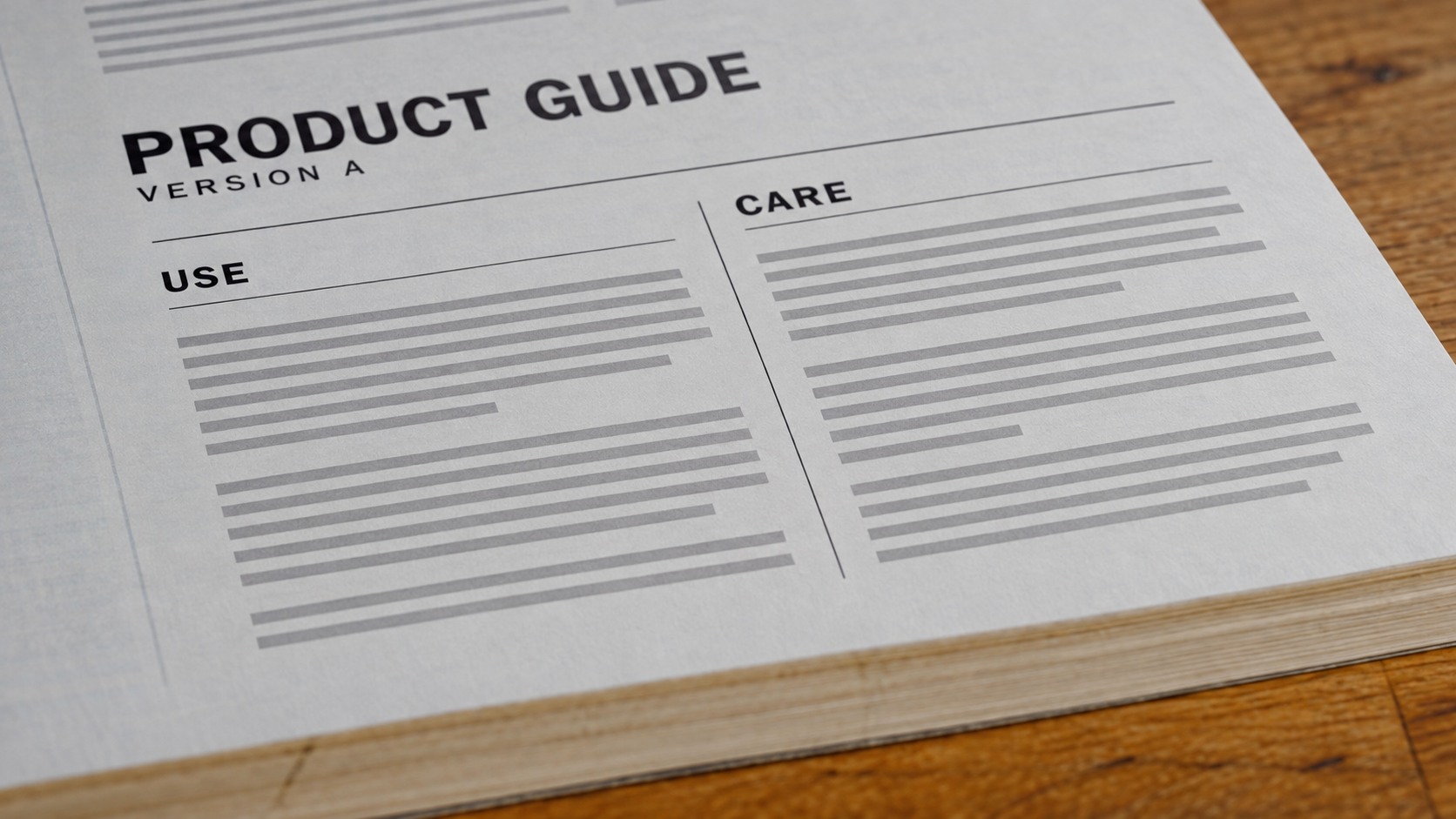
Apple’s documentation directory asks users to choose a product or search for its related documents. That is a useful example of tying documentation to a particular item, rather than assuming one familiar product name identifies every guide. For your instruction cards, ask which supplied version the proposed wording and illustrations describe. The detailed printed-page illustration shows the space a longer guide can use; its generic layout is not operating advice for any item.
If a supplier changes the fastening, accessories or controls, earlier product instructions may need a corresponding revision. A new logo alone would be a branding change; a new opening method changes the explanation itself. Ask UTS to clarify whether the existing content still describes the proposed goods before producing instruction cards around it. Where the source information is missing or contradictory, printing should wait for that answer rather than give an uncertain instruction a more professional appearance.
Instruction cards can highlight a useful starting point, such as identifying a part already explained in the original guide. They should not silently become a replacement for information the customer still needs. Define whether you want a supplementary quick-start card, a care insert or a fuller printed guide. Those formats have different space and content needs, even when all three carry the same branding.
Product instructions may include preparation, the permitted method of use and restrictions on that use. Shortening the wording should preserve the meaning of the approved source, rather than remove a condition to make the card look cleaner. If the source limits a use, the added card should not suggest unrestricted use instead. Product-specific safety information and any destination requirements need their own confirmation; an artwork or printing proposal does not establish compliance.
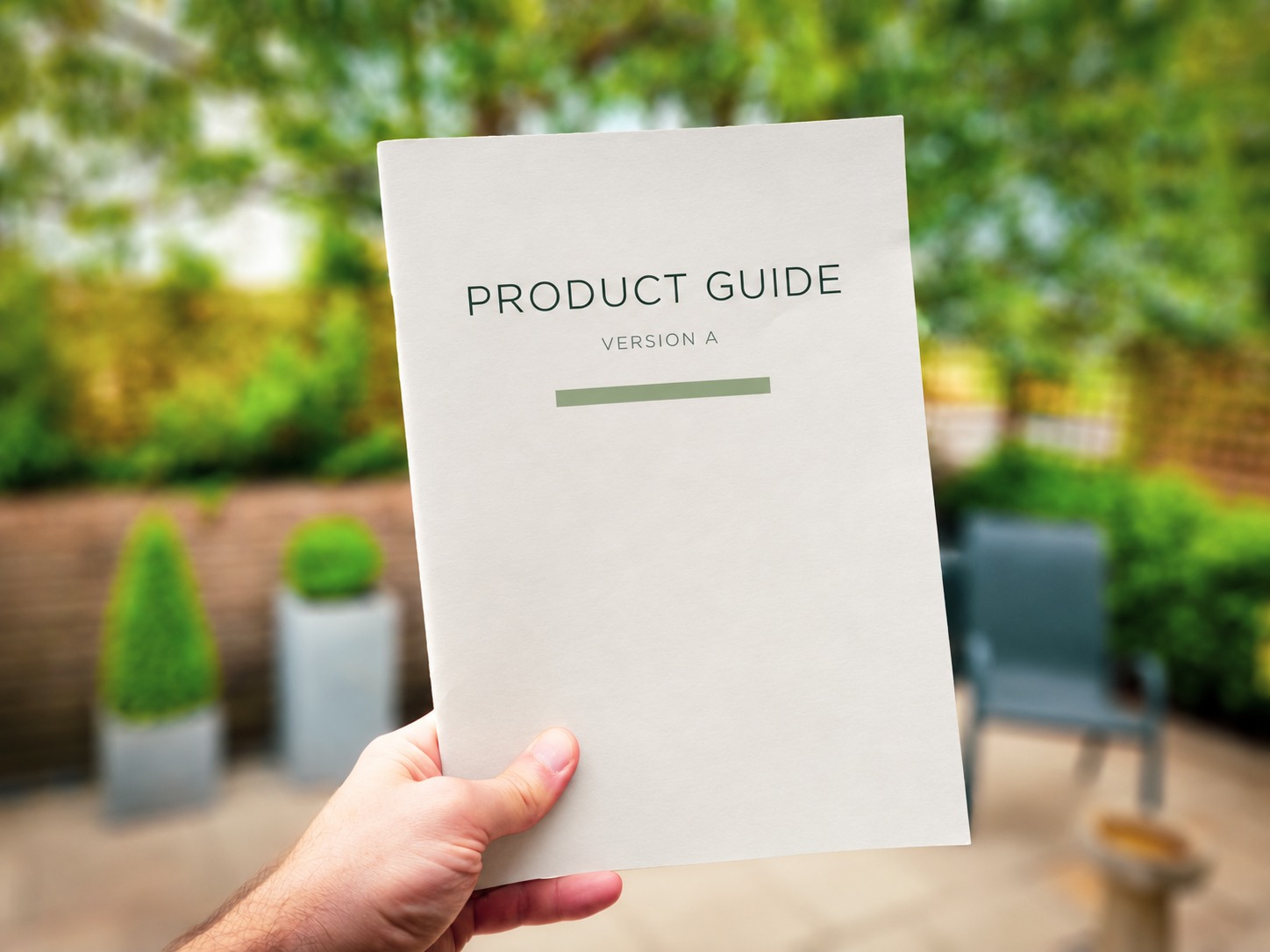
Language is another requirement to state early. If the available product instructions are in a language your customers cannot use, tell UTS the intended language and destination so the content work can be discussed. Do not assume that printing includes translation or specialist technical authorship. Agree who will provide or verify that wording. A readable design cannot settle whether an unfamiliar technical term was translated correctly. The hand-held guide illustration shows a physical document identified as Version A; its cover alone cannot establish the language or meaning of the content inside.
When movement is the missing explanation, instruction cards and video can serve different purposes. A card can identify the guide or relevant part; a clip can make an agreed action visible. Our article on a product demo video explains the separate content request. Neither medium should invent the product’s method of use, and commissioning printed material does not automatically include a shoot.
A design viewed at full-screen size can conceal how small the words will be on paper. Ask the proposed instruction cards to show the intended finished size, both printed sides if applicable, and how the content appears when held normally. The useful reading context is the paper in the customer’s hands, rather than an enlarged screen view. Leave the print layout and production work to the provider.
If product instructions need more space, discuss a larger card or folded leaflet instead of shrinking everything to fit a preferred format. A fold can divide a sequence or hide text until the sheet is opened. Ask the team to show the relevant reading order and finished presentation. Our custom packaging proof article explains why a design file and a physical printed sample answer different questions.
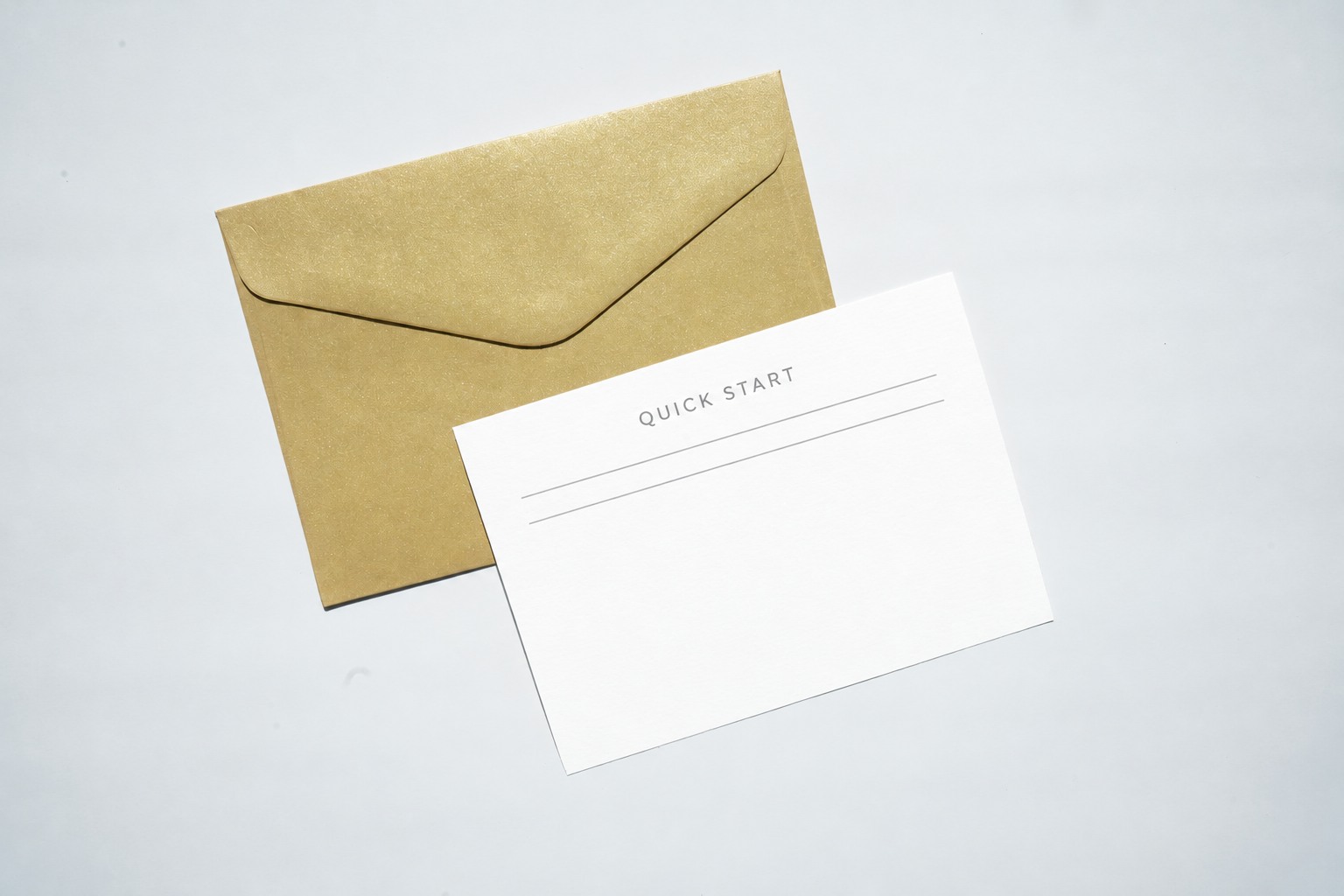
The card and envelope illustration shows a separate printed piece, not an instruction card inside a customer order. Delivering a batch of instruction cards to your nominated recipient is one result; placing the agreed version with specified products is another. If you need parcel inclusion, name the products and destination arrangement covered and ask whether that preparation is included. UTS can discuss the entrusted packing scope, while you confirm which customers should receive which material.
Send UTS the product link or reference, selected version, available product instructions and the explanation your customers are missing. Include the intended language and destination, your branding material and whether you need printed pieces delivered separately or included with agreed products. If no dependable source content is available, state that gap. You do not need to supply a print-production procedure or manage supplier staff.
UTS’s branding and packaging service lists instruction cards and help preparing or adjusting artwork for production. Ask the proposal to identify the content responsibility, format, language work, applicable products and receiving result. Printing can be commissioned on its own; purchasing, photography and order fulfillment are separate needs to discuss. With that scope clear, UTS can discuss instruction cards for the actual product, together with project-specific charges and timing.