Phone:
+85295718875
Email:
support@just-wonders.com
Phone:
+85295718875
Email:
support@just-wonders.com
Commission a product demo video that shows the actual action, required preparation and visible result. Know what to request from a product shoot in China.
A product demo video should let a shopper understand a specific action: opening a closure, unfolding an item or using it for its intended purpose. Attractive views of the product do not necessarily answer those questions. A useful product demonstration connects the starting condition, the action and the result, so the viewer can follow what happened rather than infer it from a sequence of finished poses.
For a dropshipping seller who does not handle the goods, the practical request is the action you need customers to see. You do not need to become a camera operator or write an editing plan. Tell UTS what remains unclear about your chosen product; the team can propose and perform the agreed capture. The product demo video needs the actual version you intend to sell, with its content and delivery agreed for that project.
A rotating view can show the shape of a bag. An unboxing can show what comes out of its packaging. Neither necessarily shows how its fastening opens or how a removable strap attaches. Choose a product demo video when the missing answer concerns an action, rather than requesting video simply because you already have photographs.
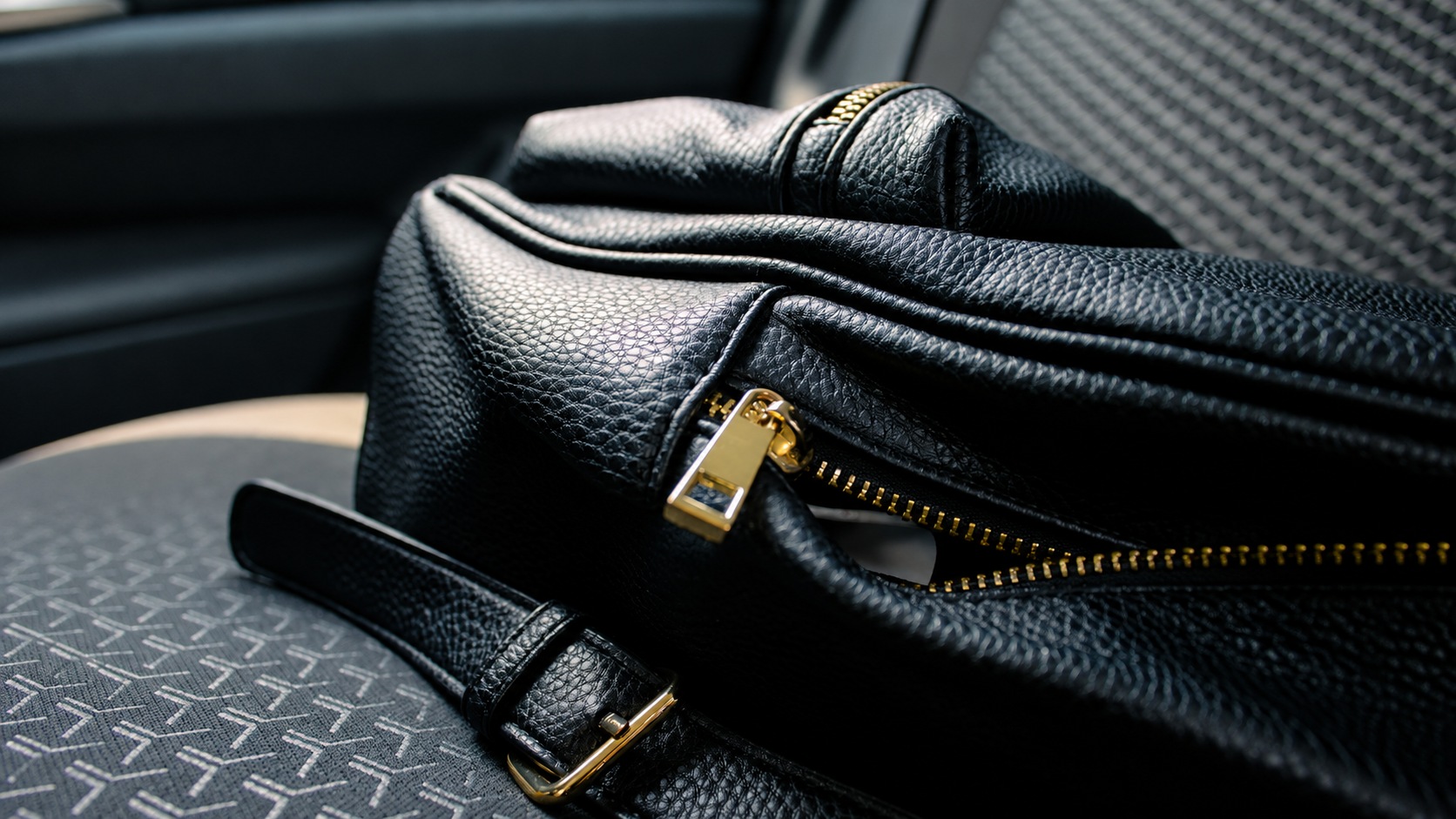
The zipper detail illustrates the distinction. You can see the slider and an opening in the bag, but not the movement that produced that state. If that movement is what your buyer needs to understand, request a product demonstration of opening and closing the actual fastening. The close-up remains useful for appearance; it answers a different question.
Shopify’s explanation of product demos distinguishes showing features and real-world use from a longer, personalized sales presentation. For an ordinary product page, you can keep the product demo video focused on the relevant function. A tour of every feature is not necessary when one unanswered action is the reason for commissioning the clip.
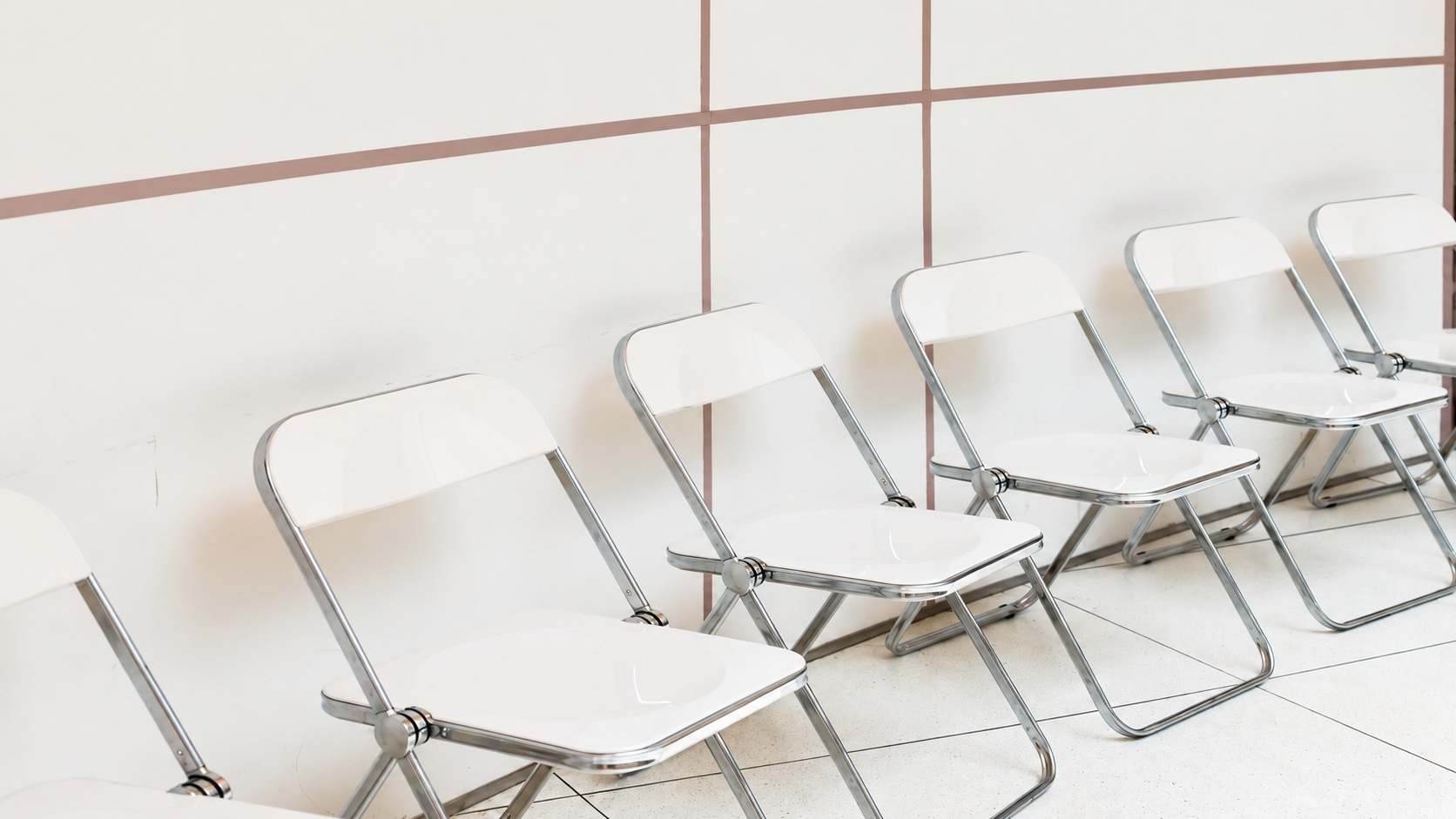
A folding item already standing open shows its finished state. It does not explain how it gets there. If opening is the question, the product demo video should begin with the item in the appropriate closed condition and show the transition. If normal use is the question, a ready-to-use starting point may be appropriate instead. Those are different content requests.
The row of open chairs shows an endpoint without showing a folding sequence. For your own product demonstration, describe which part of the journey matters: taking the item from its supplied state, opening it for use, or putting it away again. You are choosing the explanation the buyer needs, while the studio decides how to make that action visible.
A cut between a closed item and an open one can make the change look effortless while omitting a release, attachment or adjustment. Ask the proposal to keep the essential operation understandable. The product demo video can still include closer views, but a change of angle should not remove the step that answers your question. You can flag the gap in an existing clip without prescribing camera positions.
Some actions start with preparation: a lid is released, a part is attached or a vessel is filled. Decide whether that preparation belongs in the product demonstration or needs a clear explanation alongside it. Otherwise, a viewer may mistake a prepared product for something usable straight out of the box. The relevant starting condition should be understandable even when preparation happens off camera.
In the pouring image, one hand tilts the vessel while the other supports the lid, and a cup receives the drink. A product demo video of your own item would need to show the appropriate method for that item. Ask for the relevant handling to remain visible; a tight view of the liquid alone would lose information about what the person is doing.
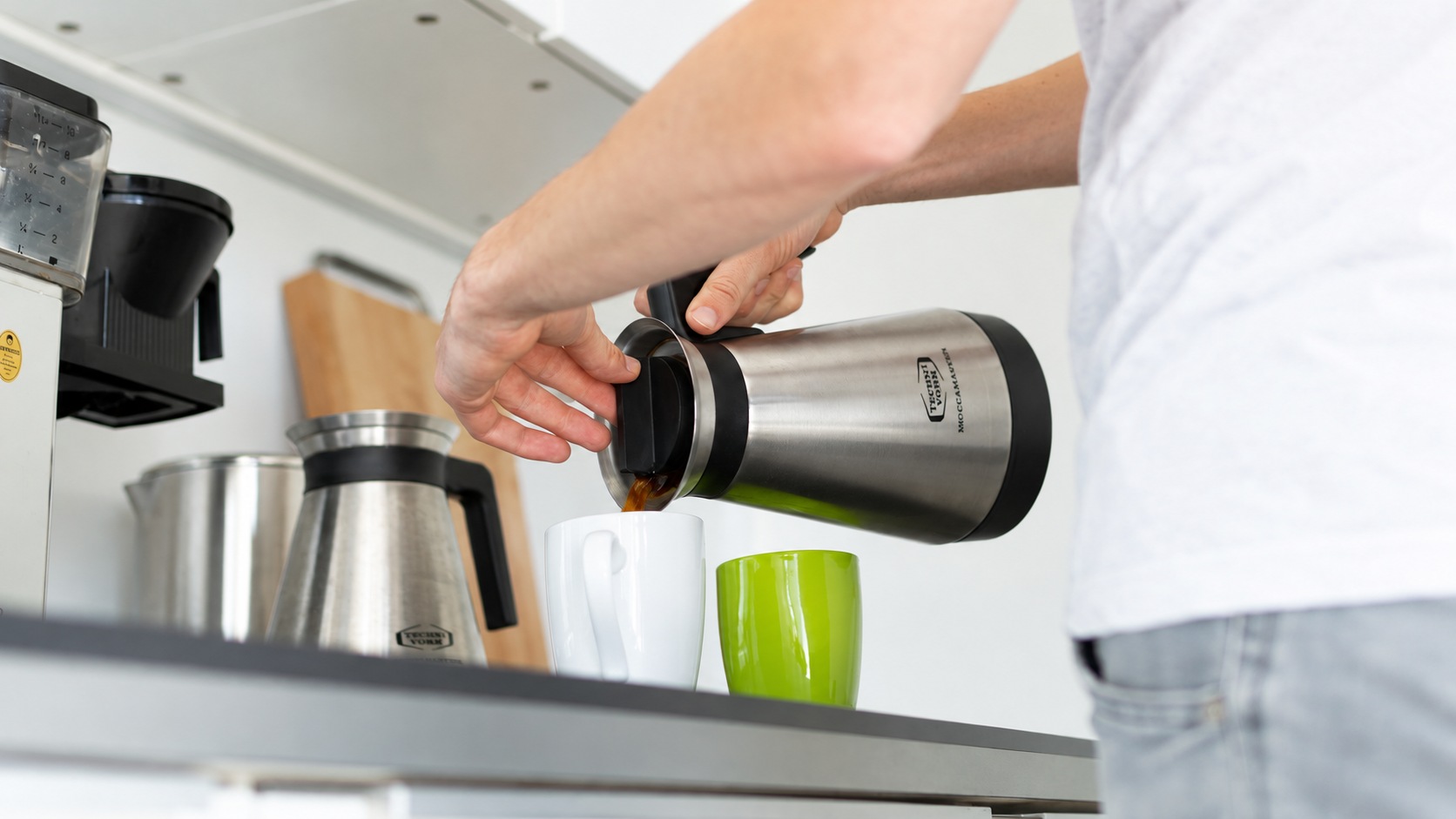
Separate the product from items used to demonstrate it. A receiving cup, a phone connected to an accessory or material placed inside a container may be a prop rather than part of the sale. Tell UTS which items belong to the chosen product or set. The product demonstration should not leave the buyer to guess what is supplied. If the function needs an additional item, agree how that dependency will be communicated.
The visible result is a demonstration under the conditions shown, not a test of lifetime performance or every possible use. If a suitability or quality question is still unresolved, UTS handles the product confirmation within the commissioned scope. A more convincing video cannot supply that missing answer. Resolve the product question before asking the team to depict the action.
Say if the clip needs to make sense when viewed silently. For example, the viewer may need to recognize the release being pressed before the item opens, rather than hear a narrator mention it. This gives the team a concrete requirement for the product demo video. It does not require you to specify lighting, recording equipment or editing software.
Text or narration can identify a control, name an accessory or explain preparation outside the frame. It should support the visible product demonstration rather than replace the action with a claim. Language versions, text overlays, voice-over and music are separate content requirements to discuss; do not assume that requesting a demonstration automatically includes them all.
Also state where you intend to use the product demo video, such as a product page or a vertical placement. The useful question is whether the action and necessary parts remain visible in the agreed version. A crop that removes the hand operating the release may lose the explanation even if the item itself still fits. Confirm the required output with the team rather than assuming any clip can be recut for every placement.
Start with the product link or identifier, selected variant, the question the video should answer and where it will be used. Share existing material you have permission to use and point out what it does not explain. Our product photo brief guide covers the broader choice of missing views; here the request is a product demonstration with a defined action and result.
UTS’s photo and video service includes product demos, with a content brief, creative plan, production and editing. The team performs the agreed studio work; you confirm the intended explanation and scope. If the item is already in China, a product demo video does not necessarily require an overseas sample journey. Our article on sample shipping or photography in China explains the separate choice of where the physical item is needed.
Ask the proposal to identify the action covered, the sample version, any preparation or additional items, and the finished versions you will receive. A product demonstration can be commissioned as a photography and video request on its own; purchasing, customization and fulfillment are optional services to discuss separately. Send those requirements so UTS can discuss a product demo video for the actual item, together with project-specific charges and timing.