Phone:
+85295718875
Email:
support@just-wonders.com

Phone:
+85295718875
Email:
support@just-wonders.com
Resolve supplier color variation in dropshipping with identified samples, comparable checks and clear batch decisions before changing photos or shipping goods.
Your supplier sends a photo of the next batch of beige pouches. It looks pinker than the sample you approved, but the supplier says the lighting is different. For a dropshipping seller, supplier color variation creates a purchasing decision before it becomes a customer complaint: is the image misleading, is the physical product different, or is there not enough evidence to decide?
Do not approve the batch by editing the photograph until it resembles your listing. Compare identified physical goods with the agreed reference under comparable conditions. Then decide separately whether the goods are acceptable and whether the product page represents what customers will receive. Fixing one does not automatically fix the other.
“Beige” identifies a broad family, not an agreed acceptance target. Ask which actual sample the supplier is matching: a piece of fabric, a finished pouch, a printed card or an image in a message. Those references describe different things. The purchasing instruction needs an identifiable target on the relevant material and finish.
A finished approved color sample can connect appearance with the fabric, lining, trim and construction you intend to sell. Keep its style, supplier reference, material version, date and approval scope together. If only the outer fabric was approved, do not let that approval silently cover the zipper tape or lining. A coordinated set may need its components compared together.
Retain the agreed reference where the person checking incoming goods can use it. A sample at your home cannot guide a receiving decision overseas unless the parties have a reliable comparison arrangement. Confirm who holds which reference and how a replacement reference will be agreed if the original becomes dirty, damaged or unavailable.
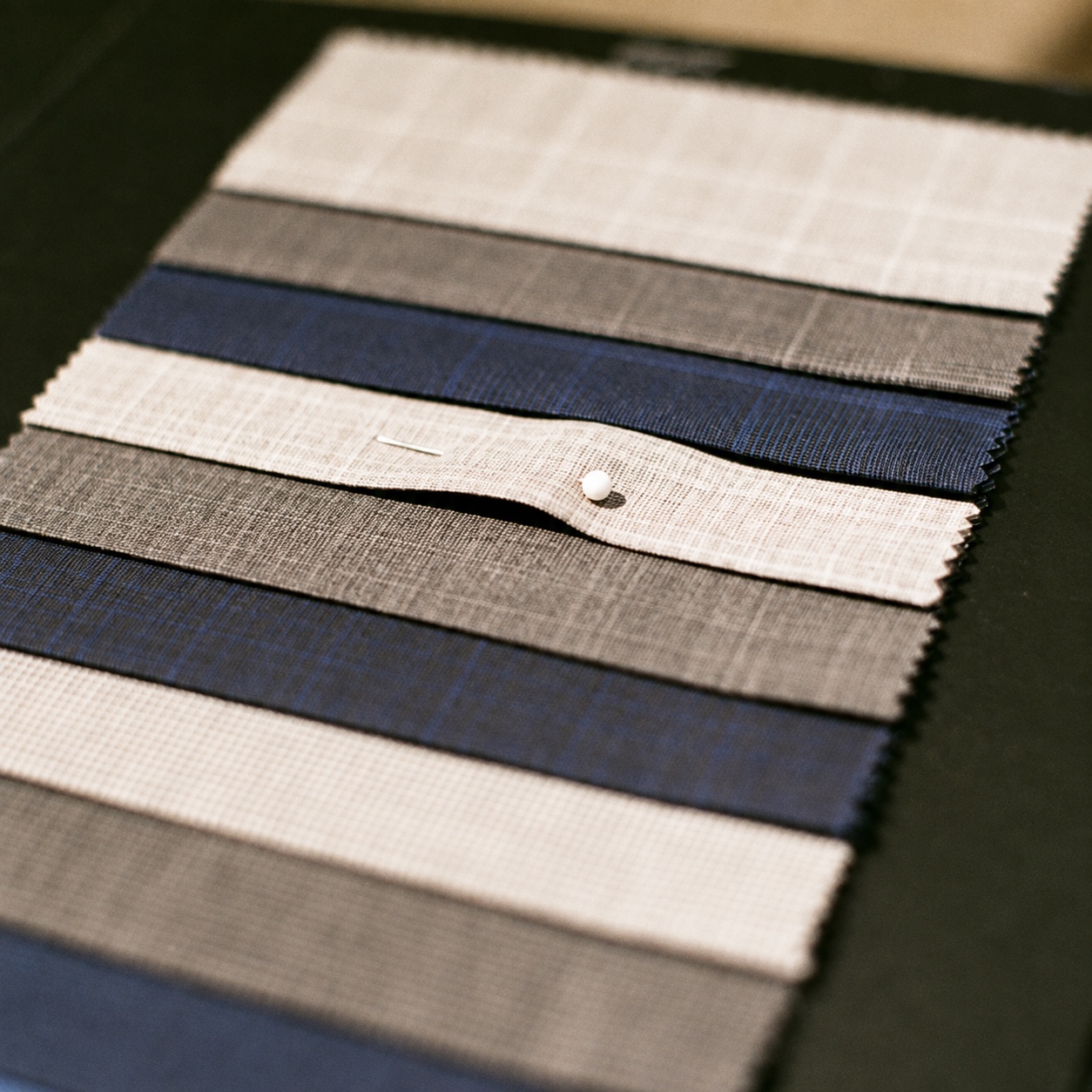
A stack of pale fabrics makes the limitation clear: similar color names can sit on visibly different textures and constructions. That photograph does not prove the pieces are supposed to match. For your dropshipping product, specify the relevant material instead of asking a supplier to reproduce a color detached from its physical surface.

Camera settings, lighting and editing can change how a product appears in an image. In its guide to editing product photos, Shopify explains that white balance affects other colors and recommends reviewing individual images after applying batch edits. Use that as a reason to question the capture conditions, not as proof that the supplier’s goods are correct.
Ask for the disputed item and the physical reference to be photographed together, with clear identifiers and without a creative filter. A shared frame reduces some ambiguity compared with two unrelated pictures taken weeks apart. It is still a record of an observation, not a calibrated color measurement or automatic approval.
If supplier color variation remains uncertain, request a direct physical comparison through the agreed inspection arrangement. Record the light source and viewing setup sufficiently for the other party to repeat the check. Do not compare one piece in direct sun with another under a desk lamp and treat the difference as a production verdict.
Keep the unedited capture as part of the internal record. A corrected image may be useful for a product page after the merchandise is verified, but it must not replace evidence of the condition originally questioned. Avoid sending several increasingly adjusted images until someone finally replies “looks fine.” That process selects agreement, not reliable goods.
For supplier color variation, compare the relevant surfaces in the same orientation and condition. A folded edge, a stretched section or a surface seen through packaging may not be comparable with the flat reference area. State which part is being judged so another checker does not reach a different answer simply by looking elsewhere.
Inspect a finished product as well as any material swatch when assembly changes the visible result. A small fabric square may omit the seam, lining showing through, or adjacent trim that the buyer will see. This is especially important for dropshipping bundles sold as matching pieces: individually acceptable components can still create an inconsistent set.
Agree the acceptance method before the purchase is committed. If a technical color requirement matters, ask a qualified provider to specify the method, equipment, conditions and tolerance appropriate to that material. Do not borrow a numerical limit from an unrelated product or claim that a phone photo has passed an instrument-based test.
The swatch book illustrates the need for identity, not a ready-made standard for your order. A pin or a selected square is useful only when the supplier and checker know what it identifies. Keep the chosen reference connected to the finished item and the approval record; a cropped screenshot without that connection cannot resolve a dispute.
Suppose a hypothetical dropshipping store sells a pouch and matching strap. In the first outcome, the identified goods match the agreed physical reference, while the supplier’s image has a strong color cast. The merchandise decision and the photography correction can proceed separately. Keep the comparison result and replace misleading imagery through the normal listing review.
In the second outcome, the pouch is acceptable on its own but the strap visibly differs under the agreed comparison conditions. Do not approve the set merely because each component carries the same color name. Ask whether a correctly matched combination can be supplied, and keep the affected set out of fulfillment until its disposition is authorized.
In the third outcome, neither party can identify the original reference. The answer is not “within tolerance,” because the basis for that statement is missing. Re-establish the requirement with a traceable sample and decide what happens to the uncertain goods. An urgent advertising campaign does not supply the missing evidence.
These outcomes show why supplier color variation should not trigger one standard reply. A capture problem calls for an image correction; a merchandise mismatch calls for a goods decision; an absent reference calls for clarification. Record which finding applies instead of asking the supplier for a generic promise that the next shipment will be better.
Compare the cost of the available corrections before accepting a discount. A cheaper mismatched set may still create replacement postage, support work and unusable branded packaging. Ask who bears any agreed sorting or replacement cost, and record confirmed terms separately from an expected supplier credit. A price concession does not establish that the customer promise is still accurate.
A later receipt can share the same supplier code without having the same approval evidence. During a batch comparison, identify the new receipt and compare it with the retained reference before mixing it with previously accepted inventory. Ask how the supplier identifies the relevant production lot; do not invent a batch number from the delivery date alone.
For supplier color variation, a shelf containing many colors proves only that materials are present. It does not establish which rolls supplied your pouches or whether separate receipts were mixed. The useful warehouse record connects the observed unit to its receipt, supplier information and current release decision.
If a difference is confirmed, define the affected scope carefully. One questioned unit does not prove every stored unit is wrong, but it also does not justify releasing unexamined goods as matching. Agree the inspection scope and disposition with the responsible partner. Keep uncertain stock distinguishable while that decision is made.
Do not relabel a different shade as the original option just to use inventory. A separate future variant may be possible after an explicit sourcing and listing decision, but that does not change what existing customers ordered. Keep old and new references in the history so support can establish which version a buyer received.

Product color accuracy starts with an identified item, not a preferred editing preset. Once the goods are verified, review the main image, variant thumbnail, option name and advertising together. Do not digitally recolor one sample and assume the resulting image represents another supplier option that nobody has physically checked.
A general screen-variation note should not be used to excuse a known merchandise mismatch. If existing orders are affected, explain the actual difference and available choices under your applicable obligations and policy. Do not silently change the photo after purchase and then claim that the customer ordered the revised appearance.
When a buyer reports supplier color variation, retain the listing version, order option and supplier or receipt reference. Ask for proportionate evidence that can clarify the issue, without making a photograph the sole test of the customer’s remedy. Investigate a possible picking error, changed material or misleading image separately; they require different corrections.
UTS explains that product-specific requirements can be included in the approved inspection checklist. Send the sample identity, comparison scope and escalation rule when discussing sourcing and receiving. Confirm which visual checks can be performed and whether a specialist assessment is needed; the published workflow does not promise a color laboratory or every possible measurement.
The practical goal is a consistent chain from the item approved to the item described and shipped. Resolve supplier color variation with a traceable reference, a comparable observation and an explicit goods decision. Then update the photography and fulfillment instructions together, so an attractive image does not conceal a product difference that the next customer will discover.